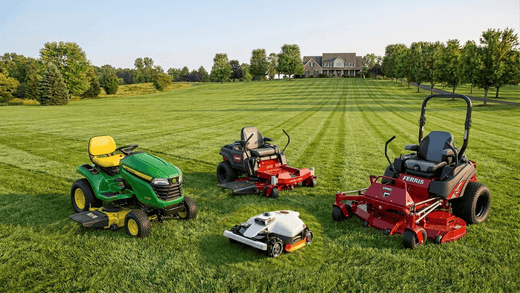



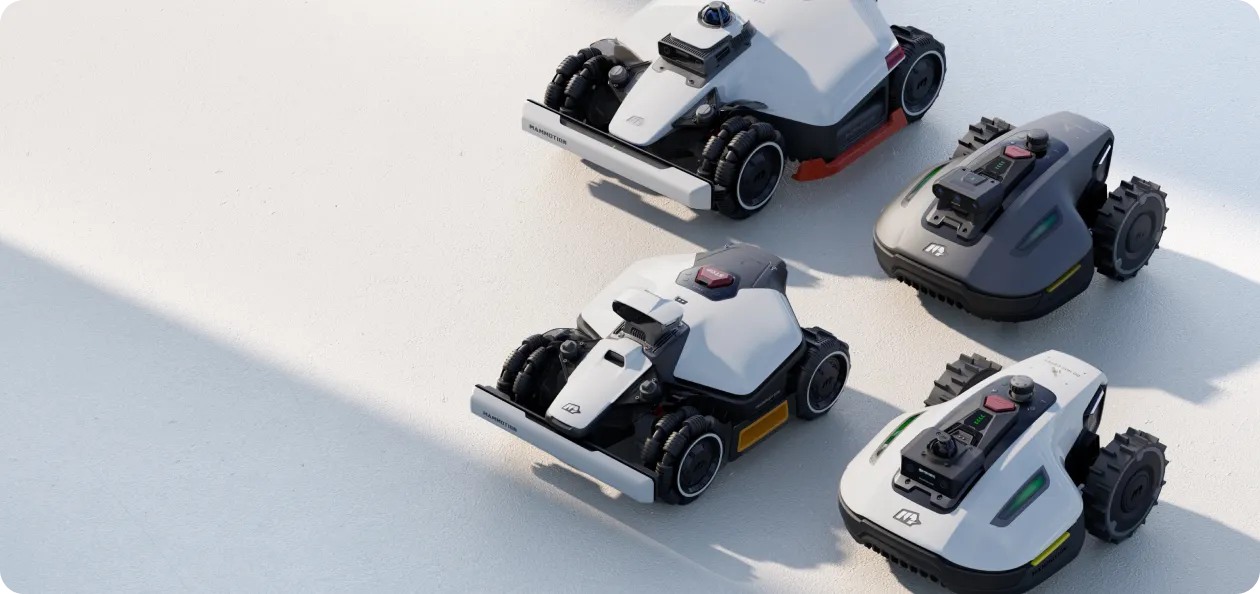
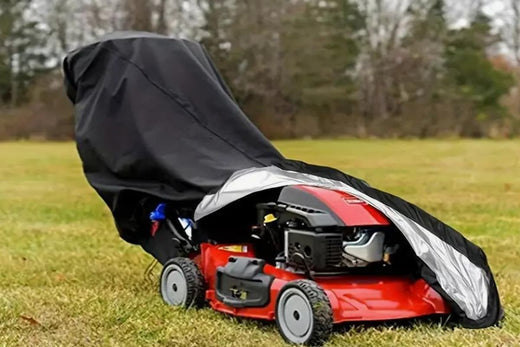
Whether you own a push mower, a robotic mower, or a riding mower, one question eventually comes up: Do I really need a lawn mower cover? The answer isn’t always a clear yes or no. The value of a mower cover depends on where you store your mower, your local climate, how often you use the machine, and the type of mower you own.
This guide breaks down the real benefits, potential drawbacks, and how to choose the right cover so you can decide whether a mower cover is truly worth it for your situation.
What a Lawn Mower Cover Actually Does
A mower cover is designed to protect the machine from environmental damage and long-term wear. Depending on the material and design, a good cover can provide:
• Weather Protection
Rain, snow, dew, and moisture can accelerate rust and corrosion on metal parts. Even battery-powered or robotic mowers have exposed screws, axles, and blades that can degrade over time without protection.
• UV Protection
Strong sunlight can fade plastics, weaken rubber parts, and degrade protective coatings. UV exposure is a major factor in long-term aging of mower housings and tires.
• Dust, Debris, and Dirt Shielding
Covers keep grass clippings, dust, pollen, insects, and leaves off your mower — especially important if you store it outdoors or in an open shed.
• Long-Term Storage Protection
If you store your mower for weeks or months (off-season or travel), a cover prevents dust buildup and protects against accidental spills, scratches, pets, and pests.
Overall, the purpose is simple: reduce exposure to the elements and extend the machine’s lifespan.
Do You Need a Lawn Mower Cover?
Many homeowners may wonder, "Are lawn mower covers worth it?" or "Is covering my lawn mower truly necessary?" After all, most mowers are designed to be durable and built to withstand outdoor conditions. However, just because a mower is tough doesn’t mean it’s invincible. Over time, exposure to the elements—whether it’s harsh sunlight, rain, or debris—can lead to wear and tear that reduces the efficiency and lifespan of your equipment.
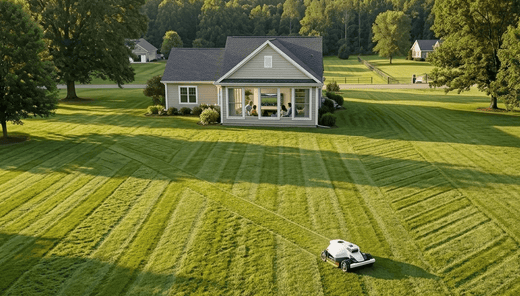
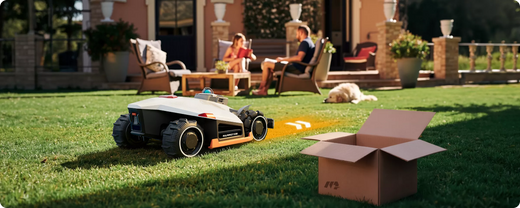
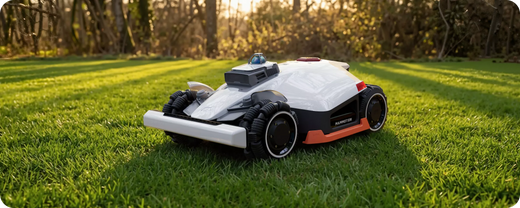
Robotic lawn mowers, in particular, are especially susceptible to damage from prolonged exposure to weather, dirt, and moisture. Unlike traditional mowers, which are often stored indoors when not in use, robotic mowers are designed to operate autonomously and are typically left outside. Without a cover, they can easily accumulate dust, dirt, or even rust, all of which can affect their performance and longevity.
Using a lawn mower cover provides a simple yet effective solution to these problems. It offers protection against weather damage, dirt, and debris, helping prevent costly maintenance or repairs down the road. In short, while your mower might be designed to endure, covering it can significantly extend its lifespan, keeping it in peak working condition year after year.
Types of Lawn Mower Covers
When it comes to choosing the right lawn mower cover, there are several options available, each designed to meet different needs and preferences. Let’s break down the various types of lawn mower covers:
Material Options for Lawn Mower Covers
Different materials offer varying levels of protection, durability, and breathability. The most common materials used for lawn mower covers include:
- Polyester: A popular choice due to its lightweight yet durable nature. Polyester covers are often water-resistant and breathable, preventing moisture buildup while offering protection against UV rays and weather conditions.
- Vinyl: Known for its superior water resistance, vinyl is a heavier option that can provide robust protection against rain and snow. However, it may not be as breathable as polyester, so it’s important to check for ventilation options to avoid moisture buildup.
- Canvas: Canvas covers are durable and often treated with water-resistant coatings. They are ideal for providing long-term protection against dirt, dust, and UV damage, making them great for both traditional and robotic mowers.
- Heavy-duty Tarpaulin: For mowers exposed to extreme weather conditions, heavy-duty tarpaulin offers superior protection against rain, snow, and sun damage. It’s tough and resilient but may be less flexible than fabric-based covers.
Each material has its pros and cons, so choosing the right one depends on your local climate, the frequency of rain, and how long you leave your mower outside.
Fitting Options: Universal vs. Custom Covers
Universal and custom-fit covers both offer advantages, depending on the size and type of mower you own. Here's a breakdown of each:
- Universal Covers: As the name suggests, universal covers are designed to fit a wide range of mowers, making them a convenient option if you have a standard-sized lawn mower or if you’re unsure about the exact dimensions of your equipment. While they may not offer the perfect fit, they provide decent protection and are often more affordable.
- Custom Covers: Custom covers are tailored to fit specific mower models, ensuring a snug and secure fit. This makes them ideal for high-end robotic mowers or other specialized models that require precise protection. While they tend to be pricier than universal options, their superior fit and protection are often well worth the investment, especially for expensive equipment.
When a Lawn Mower Cover Is Worth It
There are many situations where a mower cover makes a noticeable difference in longevity, cleanliness, and performance. Below are the most common scenarios where you should strongly consider one.
1. You Store Your Mower Outdoors or in a Partially Exposed Area
If your mower lives on the patio, under a deck, in a backyard corner, or in an open-sided shed, a cover becomes almost essential. Outdoor storage leaves your mower exposed to rain, morning dew, UV light, tree sap, bird droppings, and blowing debris.
A waterproof cover with UV resistance will protect the mower much better than simply placing it under a roof.
2. You Live in a Humid, Rainy, or Coastal Climate
Moisture is the biggest enemy of outdoor machinery. In tropical, coastal, or humid environments, rust can develop quickly — especially on:
- blade bolts
- undercarriage components
- metal chassis parts
- exposed screws and fasteners
A durable cover slows moisture exposure and dramatically reduces rust risk. For robotic mowers, protecting electronics from high humidity is also important.
3. You Rarely Use Your Mower During Certain Seasons
If you store your mower for long stretches (e.g., winter or dry season), a cover keeps dust, pests, and moisture away during idle months. Even in a garage, long-term storage can lead to condensation — especially if temperatures fluctuate.
A cover helps maintain the mower so it’s clean and ready when you need it.
4. You Own a Robotic Lawn Mower
Robotic mowers typically stay outdoors more than traditional mowers. They may:
- charge outdoors
- operate during early morning dew
- sit exposed between mowing cycles
A fitted cover for the charging station or the mower itself helps protect sensitive electronics, sensors, and housing materials when not in use.
5. You Want to Protect Your Investment
High-quality lawn mowers — especially riding and robotic models — aren’t cheap. A small investment in a cover protects a much larger investment underneath. Most owners who buy a cover say it reduces annual cleaning time and prolongs the mower's lifespan.
When a Lawn Mower Cover Might Not Be Necessary
While covers are beneficial in many situations, they are not always required. In a few cases, using a cover might actually create problems.
1. You Store Your Mower in a Dry, Enclosed Garage
If your mower is kept indoors in a stable, climate-controlled space, a cover may not be necessary. Dust protection is still helpful, but it’s optional rather than essential.
2. You Live in a Very Dry Climate
In arid regions with minimal humidity, rust risk is lower. Sun exposure remains a concern, but indoor storage may eliminate the need for a cover.
3. You Choose the Wrong Type of Cover
Low-quality covers without ventilation can trap moisture. In humid environments, this may cause condensation to form under the cover — the exact problem you are trying to prevent.
This is why choosing a breathable, well-designed cover is more important than simply covering the mower with any waterproof material.
How to Choose the Right Lawn Mower Cover?
With so many options available, it can be a bit overwhelming to select the best one. Here are some key factors to consider when making your decision:
1. Material Quality
Look for covers made with:
- High-denier fabric (e.g., 210D–600D)
- Waterproof coatings (PVC, PU, or similar)
- UV-resistant layers
- Breathable design or built-in ventilation panels
Avoid thin, low-cost covers that rip easily or trap condensation.
2. Fit and Sizing
A loose cover:
- collects wind
- can blow off
- allows water pockets to form
A too-tight cover stresses seams and may not fully protect the mower.
Choose a snug, tailored fit designed for your specific mower type — push mower, riding mower, or robotic mower.
3. Ventilation Matters
Breathability is essential in humid or coastal regions. Look for:
- side vents
- mesh airflow panels
- breathable fabrics
This prevents moist air from building up under the cover.
4. Fastening System
Quality covers include:
- elastic hems
- adjustable straps
- buckles or tie-downs
- drawstrings
These prevent wind from lifting the cover or exposing parts of the mower.
5. Weather Rating
If you store your mower outdoors, check for:
- waterproof (not just “water-resistant”)
- UV 30–50+ rating
- cold-crack resistance (important in winter climates)
These ensure reliable protection in tough conditions. And if you want to know how to store a lawn mower in the garage, we have experience with this too.
6. Budget Considerations
While custom covers tend to cost more, universal covers are an affordable alternative. Be sure to balance the cost of the cover with the level of protection you need. Consider how often your mower is exposed to the elements and how much you’re willing to invest in its longevity.
Tips for Using a Mower Cover Safely and Effectively
To avoid issues like trapped moisture or mold, follow these simple best practices:
- Always let the mower dry before covering it
- Check under the cover weekly in humid regions
- Clean the cover regularly to remove dust, pollen, and insects
- Store the cover indoors during off-season to prolong its life
- Secure straps properly to prevent wind damage
Following these steps ensures the cover protects — not harms — your mower.
So, Are Lawn Mower Covers Worth It?
In most cases, yes — mower covers are worth it, especially if you store your mower outside, in a damp climate, or for long periods. A well-made cover prolongs the life of your mower, reduces maintenance, and protects your investment from weather damage.
A high-quality mower cover is a small investment that can save you from bigger repair or replacement costs — as long as you choose the right one for your mower and climate.
Frequently Asked Questions
1. Should a lawn mower be covered?
Yes. In most situations, a lawn mower should be covered to protect it from rain, UV rays, dust, and debris. A cover helps prevent rust, reduces wear, and extends the overall lifespan of the mower — especially if it’s stored outdoors or in a humid climate. Indoor storage is the only case where a cover is optional rather than necessary.
2. Can I leave my lawn mower outside with a cover?
Yes, you can leave your lawn mower outside as long as you use a high-quality, waterproof, and breathable cover. The cover must be properly fitted and secured to prevent water pockets, wind damage, or trapped moisture. This is one of the main scenarios where a mower cover provides the most value.
3. Can I leave my lawn mower outside in the rain?
You should avoid leaving your lawn mower outside in the rain without protection. Rain accelerates rust and can damage metal components or, in the case of robotic or electric mowers, affect sensitive electronics. If you must store it outdoors, a weatherproof cover is essential to prevent long-term damage.
4. Does a lawn mower need a cover?
A lawn mower needs a cover if it is stored outdoors, in a semi-exposed area, or in a humid, coastal, or rainy environment. A cover helps reduce corrosion, UV fading, and dirt buildup. If you store your mower in a dry, enclosed garage, a cover is not strictly necessary but still useful for dust protection.
5. Do lawn mower covers work?
Yes. Lawn mower covers work very effectively when they are made of durable materials, include UV protection, and offer ventilation to prevent condensation. A good cover shields the mower from weather, reduces cleaning time, and helps maintain performance over the long term.
6. Can a lawn mower be left outside with a cover?
Yes — a lawn mower can be left outside with a properly designed cover, and this is actually one of the main reasons covers exist. Just make sure the cover fits well, is fully waterproof, includes ventilation, and is secured against wind. This setup protects the mower from sun, rain, dew, and debris.
Did you like this article? Add us as a preferred source to find us more easily on Google.