


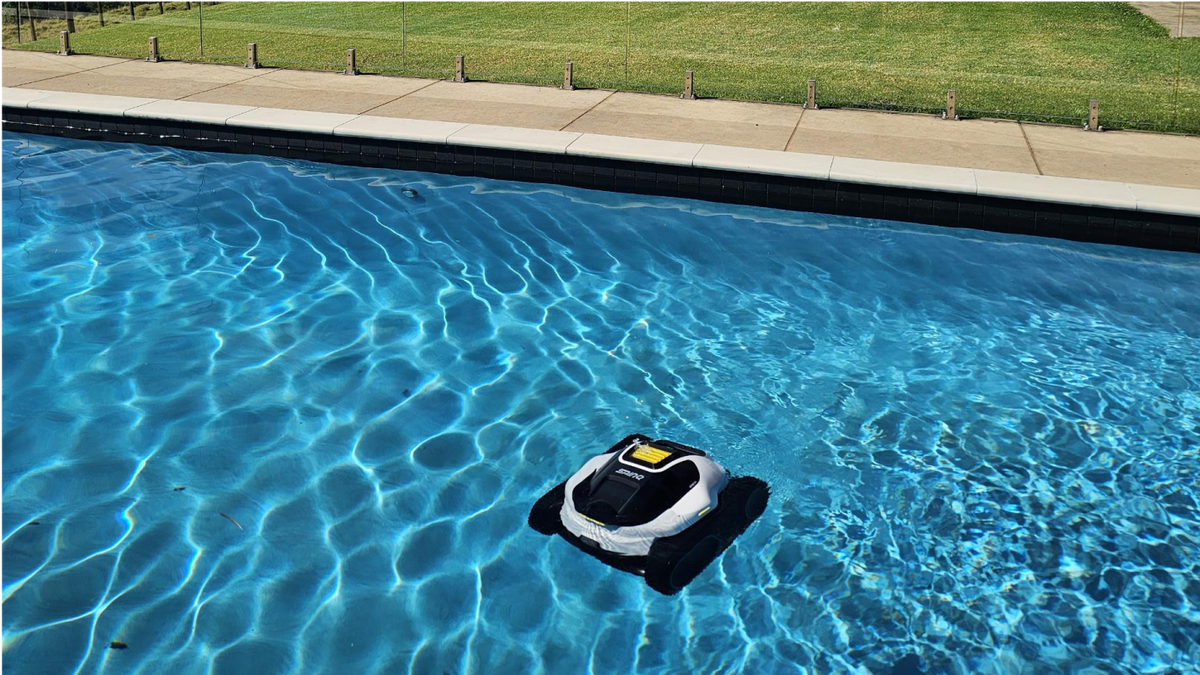
A robotic pool cleaner can automate routine pool maintenance, but it is generally not recommended to swim while the cleaner is operating. The safest approach is to keep the pool unoccupied during the cleaning cycle and follow the manufacturer's instructions before entering the water.
This applies to both corded and cordless robotic pool cleaners. A cordless design removes the power cable from the pool, but the robot is still an active piece of equipment moving through the water. The exact operating and removal instructions can vary by model, so always check the owner's manual for your cleaner.
Can You Swim While a Robotic Pool Cleaner Is Running?
You generally should not swim while a robotic pool cleaner vacuum is running. Keeping swimmers out of the pool during the cleaning cycle reduces unnecessary contact with the moving robot and, for corded models, the power cable.
What Pool Vacuum Robot Manufacturers Say
Major robotic pool cleaner manufacturers generally recommend keeping swimmers out of the pool while their cleaners are operating. For example, Maytronics advises users not to swim while a Dolphin robotic pool cleaner is cleaning and recommends following the appropriate shutdown and removal procedure before entering the pool.
This guidance is important even when a robotic pool cleaner is designed for underwater operation. A cleaner may be engineered to operate safely in water, but that does not mean it should operate while people are swimming around it.
For the safest routine, let the robotic pool cleaner complete its cleaning cycle while the pool is unoccupied. If you need to enter the pool before the cycle finishes, stop the cleaner and follow the manufacturer's instructions for removing or handling it before swimming.
Why Shouldn't You Swim While a Robotic Pool Cleaner Is Running?
The main reasons to avoid swimming while a robotic pool cleaner is running are contact with the moving robot, the power cable on corded models, and potential interference with the cleaning cycle.
The Robot Is Moving Underwater
A robotic pool cleaner actively moves through the pool while it cleans. Depending on the model, it may travel across the floor, climb walls, or clean along the waterline.
When swimmers and a moving robot share the pool, there is a greater chance of unwanted contact with the equipment. Keeping the pool unoccupied allows the cleaner to operate without interference and keeps swimmers away from its moving parts.
Corded Models Have a Power Cable
Corded robotic pool cleaners use a cable that connects the underwater cleaner to an external power supply. The cable can extend through the pool while the robot is operating, creating an additional object for swimmers to avoid.
For this reason, users should follow the manufacturer's instructions for the power supply, cable, and cleaner rather than treating a corded robotic pool cleaner like ordinary pool equipment that can remain active while people swim.
Swimming Can Interfere With Cleaning
Swimming can also interfere with the cleaner's intended cleaning cycle. Swimmers create additional water movement and can get in the robot's path as it navigates the pool.
Running the cleaner when the pool is empty gives it a clearer environment in which to follow its programmed cleaning pattern. It also makes it easier to allow the robot to complete its cycle without interruption.
Can You Swim While a Cordless Robotic Pool Cleaner Is Running?
A cordless robotic pool vacuum does not have a power cable in the pool, but it is still generally not recommended to swim while the robot is actively cleaning. Removing the cable changes how the cleaner is powered and handled, but it does not eliminate the need to follow the manufacturer's operating instructions.
What Cordless Operation Changes
The main difference is that a cordless robotic pool cleaner operates without a cable connecting the robot to an external power supply. This eliminates cable management during cleaning and makes the cleaner easier to handle around the pool.
For swimmers, however, the absence of a cable is only one part of the overall safety picture. The robot remains an active device moving through the water during its cleaning cycle.
What Cordless Operation Does Not Change
A cordless robotic pool cleaner can still move around the pool, climb applicable surfaces, and operate near swimmers if the pool is occupied. A swimmer can also interrupt the cleaner's movement or interfere with its cleaning pattern.
Therefore, cordless operation should not be interpreted as permission to swim while the robot is running. The better practice is to run the cleaner when the pool is unoccupied and follow the manufacturer's instructions for stopping and removing it before swimming.
Mammotion SPINO E1 is an example of a cordless robotic pool cleaner designed to clean pool floors, walls, and waterlines. Its cordless design provides cable-free operation, but the same general practice applies: allow the cleaner to operate when the pool is not in use.

What Should You Do Before Swimming With a Robotic Pool Cleaner?
Before swimming, stop the robotic pool cleaner and follow the manufacturer's shutdown and removal instructions.
Pre-Swim Checklist
Before entering the pool:
- Stop the cleaner — End the cleaning cycle and confirm it has stopped.
- Handle the power equipment — For corded models, manage the power supply and cable according to the manufacturer's instructions.
- Retrieve the cleaner if required — Remove the robot when the manufacturer instructs you to do so.
- Clear the pool — Make sure the robot, cable, and retrieval equipment are out of the way.
- Then enter the pool — Only after the equipment has been handled according to the manufacturer's instructions.
This simple routine separates the cleaning cycle from pool use and reduces unnecessary interaction between swimmers and operating equipment.
When Is the Best Time to Run a Robotic Pool Cleaner?
The best time to run a robotic pool cleaner is when the pool is unoccupied, such as after swimming or between planned pool-use periods.
Run It After Swimming
Running the cleaner after swimmers leave gives it an uninterrupted cleaning cycle. The robot can move around the pool without swimmers changing its path or coming into contact with the equipment.
Schedule Cleaning During Unoccupied Periods
If the robotic pool cleaner supports scheduling, set its cleaning cycle for a period when the pool is normally not in use. This can make routine cleaning easier to manage while keeping swimming and cleaning activities separate.
Follow the Recommended Cleaning Cycle
Use the cleaning duration and operating schedule specified by the manufacturer. Avoid extending a cycle simply to clean while the pool is occupied. When the cycle is complete, handle and store the robotic pool cleaner according to the manufacturer's instructions.
Can You Leave a Robotic Pool Cleaner in the Pool?
Whether you can leave a robotic pool cleaner in the pool depends on the specific model and its manufacturer's instructions. But it normally doesn't suggest leaving a pool vacuum robot when it's not working.
Check the Manufacturer's Instructions
Some robotic pool cleaners have specific guidance about how long they may remain in the water, while others recommend removing the cleaner after each cleaning cycle. Do not assume that a cleaner can remain submerged simply because it is designed for underwater operation.
Check the owner's manual or manufacturer guidance for instructions on operating, removing, and storing the cleaner.
Remove and Store It as Recommended
If the manufacturer recommends removing the robotic pool cleaner after cleaning, retrieve it once the cycle is complete and store it as instructed. For corded models, handle the power cable and power supply according to the same guidance.
Following the model-specific instructions helps avoid treating different robotic pool cleaners as though they have identical operating and storage requirements.
Robotic Pool Cleaner Safety FAQ
Generally, no. Keep the pool unoccupied while the robotic pool cleaner is operating and follow the manufacturer's instructions before swimming.
Cordless operation removes the power cable from the pool, but it does not make swimming during an active cleaning cycle generally recommended. The robot is still moving through the water.
Robotic pool cleaners use different power and protection systems depending on the model, so electrical safety should be assessed according to the manufacturer's instructions. Low-voltage operation does not mean you should enter the pool while the cleaner is running.
Follow the manufacturer's instructions. If the model requires removal after cleaning or before pool use, retrieve it before anyone enters the pool.
A stopped cleaner is not automatically ready for swimming. Follow the manufacturer's instructions for shutting down, disconnecting, and removing the cleaner before entering the pool.
Run it when the pool is not being used, such as after swimming or between planned swimming sessions. This keeps the cleaning cycle separate from normal pool use.
Did you like this article? Add us as a preferred source to find us more easily on Google.