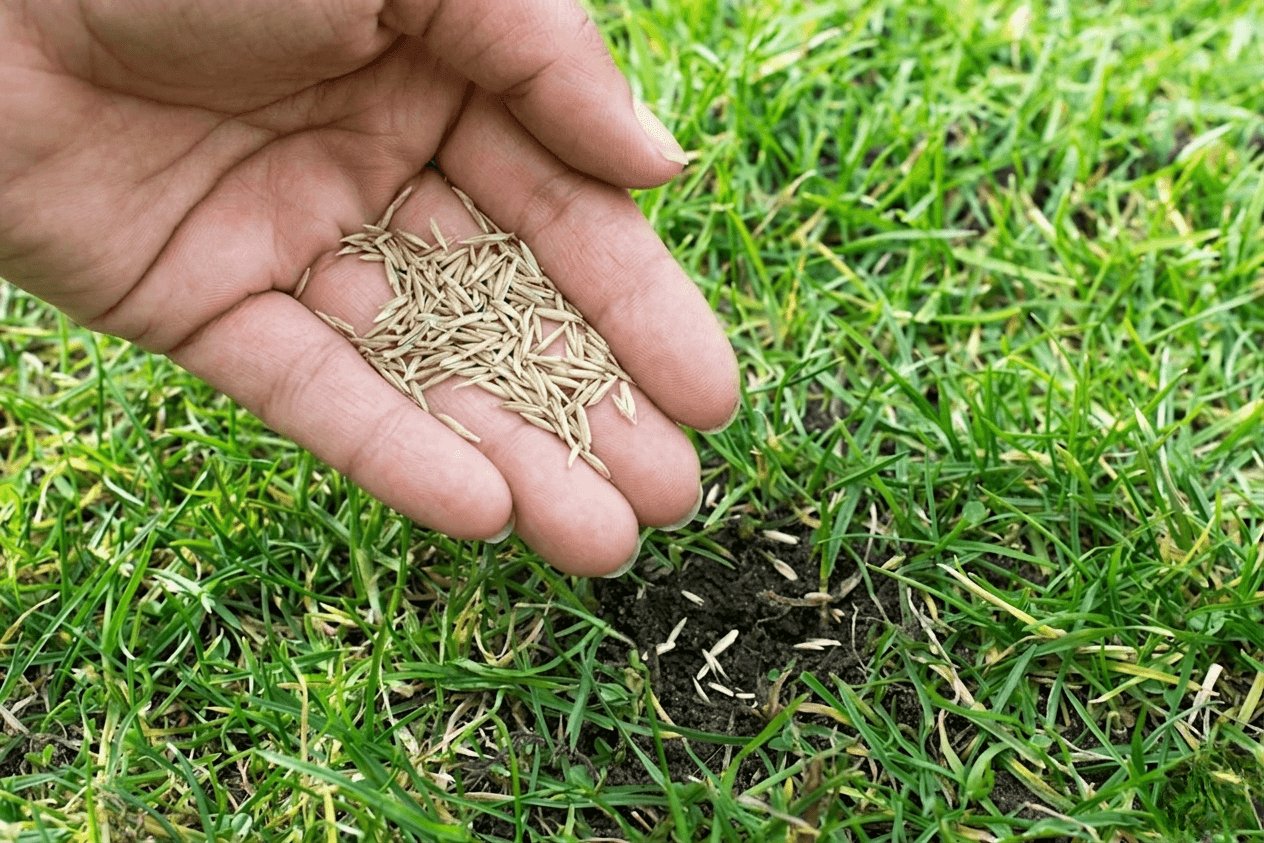




Planting grass seed is one of the most common ways to create a new lawn or repair bare patches. However, after spreading the seed, many homeowners quickly start asking the same question: how long does grass seed take to grow?
In most cases, new grass seed begins to germinate within 5 to 30 days, but the exact timing can vary widely. Some fast-growing varieties, such as perennial ryegrass, may sprout in just a few days, while slower types like Kentucky bluegrass can take two to four weeks before the first green shoots appear. Because of these differences, the grass seed germination time often depends on several key factors, including the type of grass, soil temperature, watering practices, and overall growing conditions.
If you’re starting a new lawn or overseeding an existing one, knowing what to expect during the early growth stages can help you avoid common mistakes and care for your grass properly. In this guide, we’ll explain:
- How long it takes for grass seed to germinate
- The average germination time for different grass types
- The key factors that affect grass seed growth
- Practical tips to help grass seed grow faster and healthier
By understanding the full grass seed growth timeline, you can set realistic expectations and create the conditions your new lawn needs to thrive.
Quick Answer: Grass Seed Germination Time
If you're wondering how long it takes for grass seed to grow, the short answer is that most grass seeds begin germinating within 5 to 30 days, depending on the grass variety and growing conditions.
Some grass types sprout quickly, while others require more time to establish roots before emerging above the soil. However, germination is only the beginning of the lawn growth process. After seeds sprout, grass typically needs additional time to develop strong roots and thicker blades.
Several factors can influence how quickly grass seed grows, including soil temperature, watering frequency, sunlight, and soil preparation. When conditions are ideal, grass seeds germinate faster and develop into a healthy lawn more quickly.
Grass Seed Germination Time by Grass Type
One of the biggest factors affecting how long grass seed takes to grow is the type of grass you plant. Different grass species have different natural growth speeds, which means their germination time for grass seed can vary from just a few days to several weeks.
In the United States, lawn grasses are typically divided into cool-season grasses and warm-season grasses, each with its own germination timeline.
Cool-Season Grass Germination Time
Cool-season grasses grow best in regions with moderate temperatures, particularly in the northern United States and transition zones. These grasses usually germinate in cooler soil conditions, making them ideal for spring and fall planting.
Here are the typical grass seed germination times for common cool-season grasses:
|
Grass Type |
Average Germination Time |
|
Perennial Ryegrass |
3–10 days |
|
Tall Fescue |
5–12 days |
|
Fine Fescue |
6–15 days |
|
Kentucky Bluegrass |
14–30 days |
Among these, perennial ryegrass is known for its fast germination and is often included in seed mixes to provide quick lawn coverage. In contrast, Kentucky bluegrass germinates more slowly but eventually produces a dense and durable lawn.
Warm-Season Grass Germination Time
Warm-season grasses thrive in southern regions and warmer climates where summer temperatures are higher. These grasses typically germinate when soil temperatures reach 65–75°F or higher.
Below are the average germination times for warm-season grass seeds:
|
Grass Type |
Average Germination Time |
|
Bermuda Grass |
10–30 days |
|
Zoysia Grass |
10–28 days |
|
Centipede Grass |
10–21 days |
|
Bahia Grass |
7–30+ days |
|
Buffalograss |
14–30 days |
Warm-season grasses usually take longer to establish compared with fast-growing cool-season grasses, but they are more tolerant of heat, drought, and heavy sunlight once fully grown.
Why Grass Type Matters
Choosing the right grass seed for your climate and lawn conditions can significantly influence how quickly your grass grows. Some homeowners expect grass to sprout within a week, but if they plant slower-growing varieties like Kentucky bluegrass or Bermuda grass, the germination process may take several weeks.
Because of these differences, it’s important to understand the expected germination timeline for your specific grass type before planting.
In the next section, we’ll look at the full grass growth timeline—from seed to an established lawn—so you know exactly what to expect during each stage of development.
Grass Growth Timeline: From Seed to a Full Lawn
While many homeowners focus on grass seed germination time, it’s helpful to understand that growing a healthy lawn takes place in several stages. From the moment seeds are planted to the point when the lawn becomes thick and established, the process usually takes several weeks to a few months, depending on the grass type and growing conditions.
Below is a typical grass growth timeline that shows what to expect after planting grass seed.
Stage 1: Seed Hydration (1–3 Days)
After grass seed is planted and watered, the first stage is seed hydration. During this time, the seeds absorb moisture from the soil, which activates the internal biological processes needed for germination.
Although nothing visible happens above the soil yet, this stage is critical for successful growth. Keeping the soil consistently moist but not waterlogged helps ensure seeds remain viable and begin developing properly.
Stage 2: Germination (3–30 Days)
This is the stage when the first green shoots appear above the soil. The exact timing depends on the grass variety and environmental conditions.
Fast-growing grasses such as perennial ryegrass may germinate within 3–10 days, while slower varieties like Kentucky bluegrass can take two to four weeks.
During germination:
- Small roots begin developing below the soil
- Thin green blades appear above the surface
- The lawn may look patchy as seedlings emerge at different times
Consistent watering during this stage is essential to support healthy growth.
Stage 3: Early Seedling Growth (3–6 Weeks)
Once the grass has sprouted, it enters the seedling stage, where the young grass plants begin developing stronger roots and thicker blades.
At this stage:
- Grass gradually fills in sparse areas
- Seedlings become more resilient
- The lawn starts to look greener and more uniform
However, the grass is still delicate, so it’s best to avoid heavy foot traffic and continue watering regularly.
Stage 4: Lawn Establishment (8–12 Weeks)
After several weeks of growth, the lawn begins to establish itself. Roots become stronger and grass blades grow thicker, allowing the lawn to withstand mowing and normal use.
By this stage:
- The lawn looks noticeably fuller
- Grass growth becomes more consistent
- The lawn can handle regular mowing and light activity
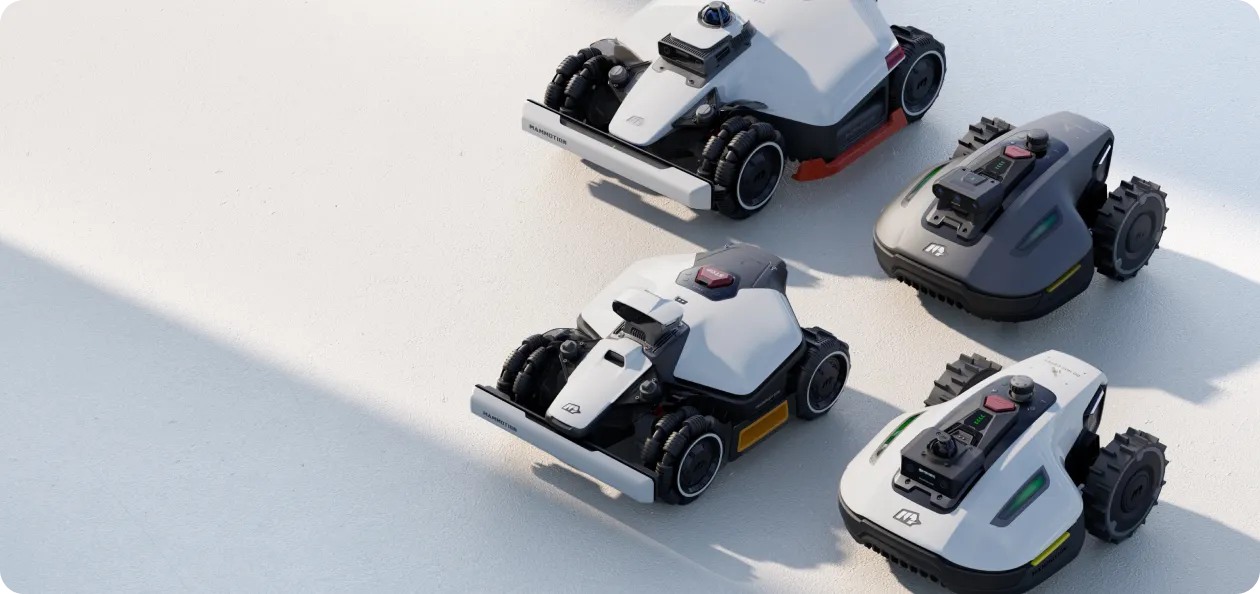
Although your lawn may appear healthy at this point, it can still take several additional months for grass to become fully mature and develop deep root systems. In addition, once the grass reaches a height of 8–10cm, we recommend using a robotic lawn mower for frequent, light trims.

Key Takeaway
Even though grass seed may germinate within a few days to a few weeks, growing a dense, durable lawn takes time. Most lawns require 8–12 weeks to become established, and proper care during the early stages can significantly improve long-term lawn health.
In the next section, we’ll explore the main factors that affect grass seed germination time, including soil temperature, watering habits, and soil preparation.
Factors That Affect Grass Seed Germination Time
Even when you plant high-quality seed, the grass seed germination time can vary depending on environmental conditions and lawn care practices. Some lawns begin sprouting within a week, while others may take several weeks before new grass appears.
Understanding the factors that influence how long grass seed takes to grow can help you create the ideal conditions for faster and healthier lawn development.
1. Soil Temperature
Soil temperature is one of the most important factors affecting the germination time for grass. Most grass seeds germinate best when soil temperatures are between 50°F and 75°F, depending on the grass type.
For example:
- Cool-season grasses typically germinate when soil temperatures reach 50–65°F
- Warm-season grasses usually require 65–75°F or higher
If the soil is too cold, seeds may remain dormant for longer periods. On the other hand, extremely hot soil can reduce germination rates and stress young seedlings.
2. Watering and Soil Moisture
Grass seed requires consistent moisture in order to germinate. If the soil dries out during the early stages, seeds may stop developing or fail to sprout.
For best results:
- Keep the top layer of soil consistently moist
- Water lightly two to three times per day during germination
- Avoid overwatering, which can wash seeds away
Maintaining proper moisture levels is essential for supporting early grass growth.
3. Soil Preparation
Well-prepared soil helps seeds establish faster roots and improves overall germination success. Before planting grass seed, it’s important to prepare the soil properly.
Good soil preparation usually includes:
- Removing debris, rocks, and weeds
- Loosening the top 2–3 inches of soil
- Ensuring good seed-to-soil contact
When seeds are able to make direct contact with loose soil, they are more likely to germinate quickly and develop strong root systems.
4. Sunlight and Climate
Sunlight also plays an important role in how quickly grass grows. Most lawn grasses need at least 4–6 hours of sunlight per day to develop properly.
Climate conditions such as temperature swings, drought, or heavy rainfall can also affect the germination process. Consistent weather conditions generally lead to more reliable and faster grass growth.
5. Seed Quality
The quality and freshness of the grass seed you use can significantly impact germination speed. Older or low-quality seeds often have lower germination rates, meaning fewer seeds will sprout.
When buying grass seed, look for:
- A high germination percentage on the label
- Fresh seed packaged within the last year
- A mix suited to your climate and soil conditions
Key Takeaway
Several factors influence how quickly grass seed grows, but the most important include soil temperature, consistent moisture, proper soil preparation, sunlight, and seed quality. When these conditions are optimized, grass seeds are more likely to germinate quickly and grow into a healthy lawn.
In the next section, we’ll look at practical tips to help grass seed grow faster, so you can speed up lawn establishment and achieve better results.
How to Make Grass Seed Grow Faster: Tips
Although grass seed germination time depends largely on the grass type and environmental conditions, there are several steps you can take to encourage faster and more successful growth. Proper preparation and consistent care can significantly improve how quickly your lawn establishes.
Here are some practical tips to help grass seed grow faster and healthier.
1. Choose the Right Grass Seed
Selecting the correct grass variety for your region is one of the most important steps. Different grasses are adapted to different climates, and choosing the wrong type can slow germination and reduce overall lawn health.
For example:
- Cool-season grasses such as tall fescue and Kentucky bluegrass grow best in northern climates.
- Warm-season grasses like Bermuda and Zoysia perform better in southern regions with hotter summers.
Using a seed mix suited to your climate can improve both germination speed and long-term lawn performance.
2. Prepare the Soil Before Seeding
Proper soil preparation creates a better environment for grass seed to germinate. Before spreading seed, it’s important to loosen the soil and remove obstacles that could prevent root development.
Basic soil preparation steps include:
- Removing weeds, rocks, and debris
- Loosening the top 2–3 inches of soil
- Leveling the ground to create even coverage
Well-prepared soil improves seed-to-soil contact, which helps seeds absorb moisture and begin germination more quickly.
3. Water Grass Seed Consistently
Consistent watering is critical during the early stages of grass growth. Grass seeds must remain moist in order to germinate properly.
For best results:
- Water lightly two to three times per day during the first two weeks
- Keep the top layer of soil moist but not saturated
- Gradually reduce watering as seedlings establish
Allowing seeds to dry out during the germination stage can slow or stop growth entirely.
4. Apply Starter Fertilizer
Starter fertilizers contain nutrients such as phosphorus and nitrogen, which support early root development and seedling growth.
Applying a starter fertilizer when planting grass seed can help:
- Encourage stronger root systems
- Improve early growth rates
- Support healthier lawn establishment
Always follow the recommended application rates to avoid over-fertilizing young grass.
5. Protect Newly Seeded Areas
New grass seedlings are delicate and can easily be damaged by foot traffic, pets, or heavy equipment.
During the early growth stages:
- Avoid walking on newly seeded areas
- Keep pets off the lawn
- Prevent soil disturbance
Protecting the seedlings allows the grass to develop stronger roots and grow more evenly.
Key Takeaway
To help grass seed grow faster, focus on choosing the right seed, preparing the soil properly, watering consistently, and protecting young seedlings. These steps create the ideal conditions for quick germination and healthy lawn development.
In the next section, we’ll discuss common reasons why grass seed may fail to grow, along with solutions to help fix the problem.
Why Your Grass Seed Isn't Growing: Common Mistakes
Sometimes grass seed takes longer than expected to sprout, and in some cases it may not grow at all. If you’ve planted seed and don’t see results after several weeks, there may be environmental or maintenance issues slowing the grass seed germination time.
Here are some of the most common reasons grass seed fails to grow and how to fix them.
1. Soil Temperature Is Too Low
Grass seed germination depends heavily on soil temperature. If the soil is too cold, seeds may remain dormant and delay the germination time for grass.
If you plant too early in the season, seeds may take much longer to sprout. Waiting for warmer soil temperatures can improve germination success.
2. Seeds Are Drying Out
Grass seeds must remain moist in order to germinate. If the soil dries out during the early stages, the germination process may stop.
Common watering mistakes include:
- Watering too infrequently
- Allowing soil to dry out between watering sessions
- Uneven watering across the lawn
To prevent this problem, keep the soil consistently moist during the first two weeks after planting.
3. Poor Seed-to-Soil Contact
Grass seeds need direct contact with soil in order to absorb moisture and develop roots. If seeds remain on top of compacted soil or thick thatch layers, they may struggle to germinate.
To improve seed-to-soil contact:
- Loosen the soil before planting
- Lightly rake seeds into the soil surface
- Use a lawn roller if necessary to press seeds into the soil
These steps help ensure seeds stay in place and germinate properly.
4. Low-Quality or Old Seed
Seed quality plays a significant role in germination success. Older seeds often have lower germination rates, meaning fewer seeds will grow even under good conditions.
Fresh, high-quality seed increases the likelihood of faster and more consistent growth.
5. Heavy Rain or Seed Washout
Heavy rain shortly after planting can wash seeds away or bury them too deeply in the soil. This can lead to uneven germination and patchy lawn growth.
If heavy rain is expected, it may be best to delay seeding or lightly cover seeds with straw mulch or a seed blanket to protect them.
Key Takeaway
If grass seed isn’t growing, the problem is usually related to soil temperature, watering habits, seed quality, or poor seed-to-soil contact. Addressing these issues can significantly improve germination rates and help your lawn develop more successfully.
Conclusion: Understanding Grass Seed Germination and Growth
Planting grass seed is an effective way to create a new lawn or repair bare spots, but patience is an important part of the process. While many homeowners expect instant results, grass seed germination time typically ranges from 5 to 30 days, depending on the type of grass and growing conditions.
To achieve the best results, it’s important to focus on the key factors that influence how long it takes for grass seed to grow, including:
- Choosing the right grass type for your region
- Planting when soil temperatures are suitable
- Keeping the soil consistently moist during germination
- Preparing the soil properly before seeding
- Protecting young seedlings from heavy traffic
By creating the right growing conditions and maintaining consistent lawn care, you can improve grass seed germination rates and overall lawn health.
Frequently Asked Questions
1. How long does it take for grass seed to germinate?
Most grass seeds germinate within 5 to 30 days, depending on the grass type, soil temperature, and growing conditions. Fast-growing grasses like perennial ryegrass can sprout in just a few days, while slower varieties like Kentucky bluegrass may take 2–4 weeks.
2. When will I see full grass growth after seeding?
Although seeds may sprout in a few weeks, it usually takes 8–12 weeks for the lawn to become well established. During this time, seedlings develop strong roots and thicker blades before regular mowing or foot traffic is safe.
3. Can I walk on newly seeded grass?
It’s best to avoid walking on new grass for at least 3–4 weeks. Young seedlings are delicate, and stepping on them can crush plants or damage developing roots. Once the grass is thicker and more resilient, light traffic is safe.
4. When can I mow newly grown grass?
The first mowing should occur when grass reaches 3–4 inches tall, typically 4–8 weeks after planting. Use sharp mower blades and remove no more than one-third of the grass height at a time to avoid stressing young seedlings.
5. How can I make grass seed grow faster?
To speed up growth:
- Choose grass varieties suited to your climate
- Prepare the soil properly before planting
- Keep soil consistently moist during germination
- Apply a starter fertilizer to support early root development
- Protect young seedlings from heavy traffic
6. Why isn’t my grass seed growing?
Common reasons include:
- Soil temperature is too cold or too hot
- Seeds drying out due to inconsistent watering
- Poor seed-to-soil contact or compacted soil
- Low-quality or old seed
- Heavy rain washing seeds away
Addressing these issues can improve germination and help your lawn grow faster.
7. Does the type of grass affect germination time?
Yes. Cool-season grasses like ryegrass germinate faster, usually within 3–10 days, while warm-season grasses like Bermuda or Zoysia can take 10–30 days. Choosing the right grass for your region ensures faster and more consistent growth.