




Keeping your lawn neatly trimmed is an essential part of home maintenance, but many homeowners wonder the same question before hiring a service or buying equipment: How much does lawn mowing actually cost?
In the United States, the average cost of lawn mowing typically ranges from $30 to $85 per visit, with most homeowners paying around $45 to $65 for a standard residential lawn. The final price depends on several factors, including lawn size, grass height, terrain, location, and how frequently the lawn is mowed.
While a single mowing service may seem affordable, the costs can add up quickly over a full growing season. Weekly mowing throughout spring and summer can easily total $1,500 or more per year for many households. For larger properties or areas with higher labor rates, the annual cost may climb even higher.
Because of these rising costs, homeowners today are exploring different ways to maintain their lawns more efficiently. Some choose to mow the lawn themselves, while others are turning to smart robotic lawn mowers that automate the entire process and significantly reduce long-term lawn care expenses.
In this guide, we’ll break down everything you need to know about lawn mowing costs, including:
- The average price of mowing services
- Costs based on lawn size and frequency
- The difference between professional services and DIY mowing
- And whether robotic lawn mowers can save money in the long run
By the end of this article, you’ll have a clear understanding of what lawn mowing really costs—and which option makes the most financial sense for your yard.
Average Lawn Mowing Cost in the U.S.
The cost of lawn mowing in the United States varies depending on lawn size, location, and service complexity, but most homeowners fall within a predictable price range.
On average, professional lawn mowing services charge between $30 and $85 per visit for a typical residential yard. For a standard ¼-acre suburban lawn, the most common price range is $45 to $65 per mow.
Smaller lawns may cost less, while larger or more complex properties can increase the price significantly. Lawn care companies typically base their pricing on the time required to complete the job, the equipment needed, and any additional services such as trimming or edging.
Average Lawn Mowing Cost by Lawn Size
Lawn size is one of the biggest factors affecting mowing prices. Larger properties require more time, more fuel, and often commercial-grade equipment.
|
Lawn Size |
Typical Cost Per Visit |
|
Small yard (under 1/8 acre) |
$30 – $40 |
|
Standard yard (1/4 acre) |
$45 – $65 |
|
Medium yard (1/2 acre) |
$50 – $80 |
|
Large yard (1 acre) |
$80 – $150+ |
For properties larger than one acre, many lawn care providers charge hourly rates instead of flat pricing, especially when the lawn includes obstacles like trees, slopes, or landscaping features.
Hourly Lawn Mowing Rates
Some lawn care companies prefer hourly pricing for irregular properties or one-time cleanups.
Typical hourly rates include:
- $30 – $60 per hour for basic mowing
- $60 – $100 per hour for larger or more complex properties
Higher rates often include additional services such as trimming around fences, blowing grass clippings off driveways, or bagging debris.
Regional Price Differences
Labor costs also vary by region. Lawn mowing services tend to cost more in areas with higher wages and living expenses.
Examples include:
- Higher-cost regions: California, Northeast U.S., Pacific Northwest
- Lower-cost regions: Midwest and Southern states
In some large metropolitan areas, a standard mowing visit can exceed $80 per service, even for average-sized yards.
Key Takeaway
While a single mowing service might seem inexpensive, the real cost becomes clearer when you consider how often lawns need to be cut throughout the growing season. Most homeowners mow their lawns 30 to 40 times per year, which can significantly increase annual lawn care expenses.
In the next section, we’ll look at how mowing frequency affects the total cost of lawn care, and why weekly service plans can quickly add up.
Lawn Mowing Cost by Service Frequency
How often your lawn needs to be mowed plays a major role in the total cost of lawn care. Most professional lawn services offer weekly, biweekly, or monthly mowing plans, and the price per visit often changes depending on the schedule.
In general, more frequent mowing leads to lower per-visit costs, because the grass is shorter and easier to cut. Infrequent mowing typically requires more labor and can increase the price.
Average Cost Based on Mowing Frequency
|
Service Frequency |
Typical Cost Per Visit |
Annual Cost Estimate* |
|
Weekly mowing |
$30 – $65 |
$900 – $2,600 |
|
Biweekly mowing |
$40 – $85 |
$600 – $1,700 |
|
Monthly mowing |
$70 – $120 |
$350 – $900 |
*Annual estimates assume a growing season of 30–40 weeks, depending on climate.
Why Frequency Matters for Lawn Health
Frequent mowing doesn't just affect price—it also impacts lawn health. Experts generally recommend cutting no more than one-third of the grass blade at a time, which is easier to maintain with regular mowing.
This is one reason why many modern lawn care solutions, including robotic lawn mowers, are designed to cut grass more frequently in smaller increments. Regular micro-cutting helps lawns stay healthier while maintaining a consistently neat appearance.
Key Insight: Even though each mowing visit may cost less than $60, a typical homeowner paying for weekly mowing services can easily spend over $1,500 per year just on basic lawn maintenance.
In the next section, we’ll explore the key factors that influence lawn mowing prices, including lawn size, terrain, grass height, and additional services that can increase the total cost.
Factors That Affect Lawn Mowing Costs
While average lawn mowing prices provide a helpful benchmark, the final cost of a mowing service can vary widely from one property to another. Lawn care professionals typically evaluate several factors before determining a price.
Understanding these variables can help homeowners better estimate their lawn care expenses and avoid unexpected fees.
1. Lawn Size
The size of the lawn is the biggest factor affecting mowing costs. Larger lawns take more time to mow and may require more powerful equipment.
For example:
- Small yards (under 1/8 acre) often cost $30–$40 per visit
- Medium lawns (around 1/4 acre) typically cost $45–$65
- Large properties (1 acre or more) can cost $80–$150+
For very large properties, lawn care companies may switch to hourly pricing instead of flat rates.
2. Terrain and Obstacles
The layout of your yard can significantly impact mowing costs. Lawns that include slopes, narrow areas, landscaping features, or numerous obstacles require more careful mowing.
Common obstacles that increase mowing time include:
- Trees and flower beds
- Fences and garden borders
- Outdoor furniture
- Steep slopes or uneven terrain
These features require extra trimming and maneuvering, which increases labor time.
3. Grass Height and Lawn Condition
If a lawn has been neglected or the grass is unusually tall, lawn care companies often charge higher one-time fees. Overgrown grass requires slower mowing speeds and sometimes multiple passes.
Some providers may add a “long grass fee” or charge an additional $10–$50 for heavily overgrown lawns.
4. Additional Lawn Care Services
Basic mowing usually includes cutting the grass and sometimes blowing clippings off hard surfaces. However, many homeowners request additional services that raise the total price.
Common add-ons include:
|
Additional Service |
Typical Cost |
|
Edging sidewalks and driveways |
$10 – $25 |
|
String trimming |
$10 – $20 |
|
Bagging grass clippings |
$10 – $40 |
|
Leaf removal |
$50 – $200 |
Bundled lawn care packages may include several of these services at a discounted rate.
5. Location and Labor Costs
Where you live also plays a major role in lawn care pricing. Areas with higher labor costs tend to have more expensive lawn services.
For example:
- Urban and coastal regions often have higher mowing prices
- Suburban and rural areas usually offer more affordable lawn care services
Seasonal demand can also affect pricing. During peak growing months, many lawn care companies experience high demand, which may increase service rates.
Key Takeaway
Because so many variables influence lawn mowing prices, the true cost of maintaining a lawn often becomes clear only when looking at the total annual expense. Even modest per-visit fees can add up quickly over the course of a full growing season.
In the next section, we’ll break down the average annual cost of lawn mowing, which helps homeowners understand how much they might spend on lawn maintenance each year.
Average Annual Cost of Lawn Mowing
While the cost of a single mowing service may seem affordable, the total cost of maintaining a lawn becomes much clearer when calculated over an entire year.
Most lawns in the United States need to be mowed regularly during the growing season, which typically lasts 30 to 40 weeks depending on the climate. Homeowners who hire professional lawn services often schedule weekly mowing to keep grass healthy and well-maintained.
Example Annual Lawn Mowing Cost
Let’s look at a typical scenario for a standard residential lawn.
|
Mowing Price |
Number of Visits |
Estimated Annual Cost |
|
$45 per visit |
35 visits |
$1,575 |
|
$55 per visit |
35 visits |
$1,925 |
|
$65 per visit |
35 visits |
$2,275 |
For many homeowners, this means spending $1,500 to $2,000 per year on basic lawn mowing alone.
Larger Lawns Can Cost Even More
The cost rises significantly for larger properties. Homes with lawns measuring half an acre to one acre may require more time and larger equipment.
Typical annual costs for larger yards may include:
- $2,000 – $3,500 per year for regular mowing services
- Even higher costs if edging, trimming, and cleanup are included
In high-cost regions such as California or the Northeast, annual lawn care expenses can exceed $4,000 per year for large properties.
Hidden Costs of Lawn Care Services
Beyond the standard mowing fee, homeowners may also pay additional charges throughout the year for services such as:
- Seasonal yard cleanups
- Leaf removal in fall
- Grass disposal or bagging
- Occasional overgrowth mowing
These extra services can add hundreds of dollars annually to the overall cost of maintaining a lawn.
Why Annual Lawn Mowing Costs Matter
When homeowners calculate the long-term cost of lawn care, many are surprised by how quickly the expenses add up. Over five years, a typical mowing service could cost $7,500 to $10,000 or more.
Because of these rising costs, many homeowners are exploring alternatives such as DIY mowing or robotic lawn mowers, which can dramatically reduce long-term lawn care expenses while maintaining a consistently trimmed yard.
In the next section, we’ll compare the cost of hiring professional mowing services versus mowing the lawn yourself, including the equipment, fuel, and maintenance costs that many homeowners overlook.
DIY Lawn Mowing Cost
To avoid paying for professional lawn services, many homeowners choose to mow their lawns themselves. While DIY mowing can reduce service fees, it still involves several upfront and ongoing expenses that are often overlooked.
In addition to purchasing a mower, homeowners must also account for fuel, maintenance, repairs, and the time required to maintain the lawn throughout the growing season.
Cost of Buying a Lawn Mower
The first expense is the mower itself. Prices vary depending on the type of equipment and the size of the lawn.
|
Type of Lawn Mower |
Typical Price Range |
|
Manual reel mower |
$100 – $250 |
|
Electric push mower |
$250 – $600 |
|
Gas push mower |
$300 – $700 |
|
Riding mower |
$1,500 – $4,000+ |
While push mowers work well for small lawns, larger properties often require riding mowers or more powerful equipment, which significantly increases the upfront investment.
Fuel and Electricity Costs
Gas-powered mowers require regular fuel, oil changes, and engine maintenance. Even electric mowers have small electricity costs and battery replacements over time.
Typical annual operating costs include:
- Gas and oil: $50 – $120 per year
- Electricity for electric mowers: $10 – $30 per year
- Battery replacement (every few years): $100 – $300
Maintenance and Repairs Costs
Lawn mowers require regular upkeep to maintain performance. Routine maintenance includes sharpening blades, replacing spark plugs, cleaning filters, and servicing the engine.
Average maintenance costs may include:
- Blade sharpening: $10 – $30 per year
- Tune-ups or repairs: $50 – $150 per year
- Replacement parts: varies depending on usage
Over time, these maintenance expenses add to the total cost of owning a traditional mower.
The Hidden Cost: Your Time
One of the biggest overlooked costs of DIY mowing is time. The average homeowner spends 45 minutes to 1 hour mowing the lawn each week during the growing season.
Over the course of a year, that can equal:
- 30 to 40 hours spent mowing
For busy homeowners, this time commitment can become inconvenient, especially during hot summer months.
Typical Annual DIY Lawn Mowing Cost
When all expenses are considered, the yearly cost of mowing your own lawn typically ranges from:
- $200 – $500 per year for small to medium lawns
- $500+ per year for larger lawns with gas-powered or riding mowers
While DIY mowing can save money compared to hiring a lawn service, it still requires regular effort, maintenance, and time investment.
Key Insight
DIY mowing reduces service costs, but it still requires equipment, ongoing maintenance, and dozens of hours of work each year.
Because of this, many homeowners are beginning to explore automated lawn care solutions that can handle mowing without the recurring service fees or weekly labor.
In the next section, we’ll compare the cost of robotic lawn mowers and see how they stack up against both professional mowing services and traditional DIY lawn care.
Robotic Lawn Mower Lawn Mowing Cost
In recent years, robotic lawn mowers have become an increasingly popular alternative to traditional lawn care. These automated machines mow the lawn on a scheduled basis, allowing homeowners to maintain a consistently trimmed yard without hiring a service or spending time mowing each week.
While robotic lawn mowers require a higher upfront investment than a standard push mower, their long-term operating costs are significantly lower than hiring professional lawn services.
Average Cost of a Robotic Lawn Mower
The price of robotic lawn mowers varies depending on lawn size, navigation technology, and smart features.
|
Lawn Size Capacity |
Typical Price Range |
|
Small lawns (up to 1/4 acre) |
$500 – $1,500 |
|
Medium lawns (1/4 – 1/2 acre) |
$1,200 – $2,500 |
|
Large lawns (1/2 – 1 acre+) |
$2,000 – $4,000 |
Advanced robotic mowers designed for larger or more complex lawns often include features such as GPS or LiDAR navigation, multi-zone management, and smartphone app control.
Operating Costs of Robot Mower
One of the biggest advantages of robotic lawn mowers is their extremely low operating cost.
Typical yearly expenses include:
- Electricity: about $10 – $30 per year
- Replacement blades: $20 – $50 annually
- Minimal maintenance
Unlike gas-powered mowers, robotic models do not require fuel, oil changes, or frequent mechanical servicing.
How Robotic Mowers Maintain Lawn Health
Robotic mowers work differently from traditional mowers. Instead of cutting large amounts of grass once per week, they operate more frequently and trim only small amounts at a time.
This method, often called micro-cutting, offers several lawn care benefits:
- Grass clippings act as natural mulch
- The lawn remains consistently short and healthy
- Reduced stress on grass blades
Because robotic mowers operate automatically on a schedule, they help maintain a uniform, well-groomed lawn with minimal effort from the homeowner.

Key Insight
Although robotic lawn mowers require a higher upfront purchase, their extremely low operating costs and fully automated operation make them an attractive long-term solution for homeowners who want to maintain their lawn without ongoing service fees or weekly mowing chores.
In the next section, we’ll compare the long-term cost of lawn services, DIY mowing, and robotic lawn mowers to see which option is the most cost-effective over time.
Long-Term Cost Comparison: Lawn Service vs DIY vs Robotic Mowers
When deciding how to maintain a lawn, homeowners typically choose between three main options: hiring a professional lawn service, mowing the lawn themselves, or using a robotic lawn mower. While each approach has its advantages, the long-term cost can vary significantly.
Looking at a five-year period provides a clearer picture of the real financial impact of each option.
Estimated 5-Year Lawn Mowing Costs
|
Lawn Care Option |
Initial Cost |
Annual Cost |
Estimated 5-Year Cost |
|
Professional lawn service |
$0 |
$1,500 – $3,000 |
$7,500 – $15,000 |
|
DIY mowing (traditional mower) |
$300 – $1,500 |
$200 – $500 |
$1,300 – $4,000 |
|
Robotic lawn mower |
$500 – $3,500 |
$50 – $100 |
$750 – $4,000 |
Professional Lawn Services
Hiring a lawn care company is convenient, but it is also the most expensive option over time. Even moderate mowing prices can quickly accumulate into thousands of dollars over several years.
For homeowners with larger properties or premium landscaping services, the total cost can easily exceed $10,000 within five years.
DIY Lawn Mowing
Mowing the lawn yourself is generally cheaper than hiring a service, but it still requires purchasing equipment, performing maintenance, and spending time on weekly yard work.
Homeowners who choose DIY mowing should also consider the long-term cost of replacing equipment, especially for gas-powered mowers that wear out over time.
Robotic Lawn Mowers
Robotic lawn mowers combine the automation of a professional service with the lower operating cost of electric equipment. Once installed, these machines can mow the lawn automatically on a set schedule with minimal supervision.
Over several years, the total cost of owning a robotic mower can be significantly lower than paying for weekly lawn services, especially for homeowners who plan to maintain their lawn long-term.
In addition to cost savings, robotic mowers provide several practical advantages:
- No weekly mowing required
- Consistent lawn maintenance
- Lower noise levels than gas mowers
- Reduced fuel consumption and emissions
For homeowners who currently pay for regular mowing services, switching to a robotic lawn mower can potentially save thousands of dollars over time, while also eliminating the need for weekly lawn maintenance.
Why More Homeowners Are Switching to Robotic Lawn Mowers
As smart home technology continues to evolve, robotic lawn mowers are becoming an increasingly popular solution for homeowners who want a well-maintained lawn without the time commitment of traditional mowing. What once seemed like a futuristic gadget is now a practical lawn care tool used by thousands of homeowners across the United States.
Several key advantages explain why more people are making the switch.
1. Significant Time Savings
Traditional lawn mowing requires a consistent weekly commitment during the growing season. For many homeowners, mowing the lawn can take 30 to 60 minutes every week, adding up to dozens of hours each year.
Robotic lawn mowers eliminate this chore entirely. Once installed and programmed, the mower automatically maintains the lawn on a set schedule, allowing homeowners to focus on other tasks while the machine handles routine mowing.
2. Consistently Healthier Lawns
Robotic mowers cut grass more frequently than traditional mowing methods. Instead of removing large portions of grass at once, they trim small amounts regularly.
This approach offers several benefits for lawn health:
- Grass stays at a consistent height
- Clippings act as natural fertilizer (mulching)
- Reduced stress on the grass blades
- More even lawn growth
Over time, frequent micro-cutting can result in a denser and healthier lawn.
3. Quiet and Environmentally Friendly
Unlike gas-powered mowers, robotic lawn mowers run on electricity and produce very little noise. Most models operate quietly enough to run in the early morning or evening without disturbing neighbors.
Because they do not use gasoline, robotic mowers also help reduce emissions and eliminate the need for fuel storage, oil changes, and engine maintenance.
Mammotion LUBA 3 AWD is also the only robotic lawn mower in the industry to have won the SEAL Sustainable Product Award 2026; if you care deeply about the environment, it’s an excellent choice.

4. Smart Navigation and Automation
Modern robotic lawn mowers are far more advanced than early models. Many now include intelligent navigation systems that allow them to efficiently map and maintain complex lawns.
Features available on advanced robotic mowers may include:
- RTK or LiDAR navigation for precise positioning
- App-based lawn mapping and scheduling
- Multi-zone lawn management
- Obstacle detection and automatic rerouting
Many systems on the market today use dual-fusion navigation systems, which have significantly improved accuracy. In addition, Mammotion has pioneered the first Triple-fusion navigation system, integrating NetRTK, vision, and LiDAR into a single system, resulting in unprecedented navigation accuracy.
5. Long-Term Cost Efficiency
While robotic lawn mowers require an initial purchase, their long-term operating costs are extremely low. With minimal electricity use and very little maintenance required, many homeowners find that robotic mowers pay for themselves over time compared to hiring regular lawn services.
Is a Robotic Lawn Mower Worth It?
Robotic lawn mowers are a significant investment, so it’s important to determine whether they are the right choice for your lawn and lifestyle. By considering factors like lawn size, mowing needs, and long-term savings, you can make an informed decision.
1. Lawn Size
Robotic mowers are ideal for lawns 0.25 acres or larger, though there are models designed for smaller yards as well. Larger properties benefit the most from automation because mowing manually or hiring a service becomes more time-consuming and expensive.
2. Frequency of Lawn Maintenance
If you currently pay for weekly lawn services or spend hours mowing your lawn yourself, a robotic mower can save significant time and money over the long term. For lawns that require frequent mowing to stay healthy, automation is especially beneficial.
3. Budget Considerations
While robotic mowers require an upfront investment, their low operating costs make them cost-effective over time:
- Minimal electricity use (~$10–$30/year)
- Rare maintenance compared to gas mowers
- No fuel costs or weekly labor fees
For many homeowners, the total cost over five years is comparable to or lower than hiring professional services, especially when factoring in time saved.
4. Desire for Convenience and Smart Features
Robotic mowers excel for homeowners who value convenience, quiet operation, and technology-driven solutions. Features like RTK GPS navigation, app control, and automatic scheduling allow you to maintain a perfectly trimmed lawn with minimal effort.
5. Lawn Complexity
Modern robotic mowers can handle lawns with multiple zones, obstacles, and slopes, but very steep or highly irregular properties may require professional mowing or specialized robotic models. It’s important to evaluate your lawn layout before purchasing.
Conclusion
Maintaining a healthy, well-manicured lawn comes with costs that many homeowners underestimate. On average, professional lawn services range from $30 to $85 per visit, which can add up to $1,500–$2,000 annually for a typical suburban yard. DIY mowing reduces direct costs but still requires significant investment in equipment, ongoing maintenance, and dozens of hours of labor each year.
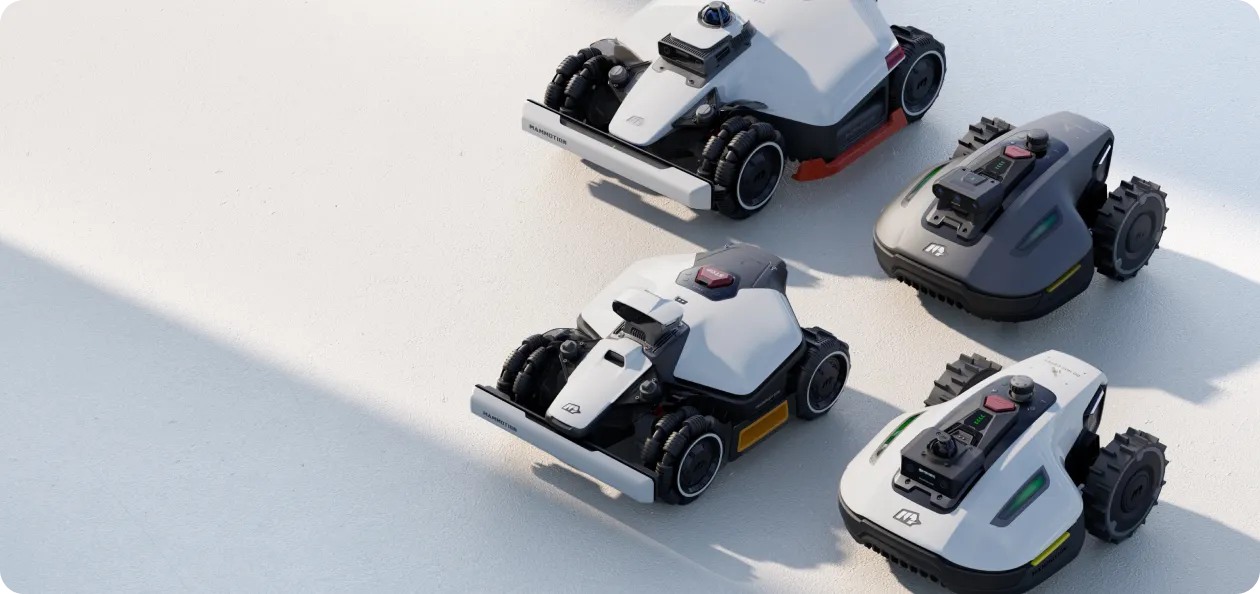
Robotic lawn mowers offer a modern solution that combines automation, efficiency, and long-term savings. While the initial purchase may range from $500 to $3,500 depending on lawn size and features, their minimal operating costs—typically $10–$30 per year—make them a cost-effective alternative to traditional mowing methods. Advanced models, like those offered by Mammotion, feature smart navigation, app-based scheduling, and intelligent obstacle detection, allowing homeowners to maintain a perfectly groomed lawn with minimal effort.
For homeowners seeking a quiet, eco-friendly, and low-maintenance lawn solution, robotic lawn mowers represent a smart long-term investment. By automating routine mowing, they free up time, reduce costs, and maintain a healthy, attractive lawn year-round.
Frequently Asked Questions
1. How much does a mowing service cost per visit in the U.S.?
Professional lawn mowing in the U.S. typically ranges from about $30 up to $200 per visit, depending on lawn size, complexity, and region. Most services for a standard residential yard fall somewhere between those amounts.
2. What factors influence the cost of lawn mowing?
Lawn mowing cost is affected by lawn size, terrain, grass height, frequency of service, and optional add‑ons like edging, trimming, and grass disposal. Professional quotes can vary widely based on these variables.
3. Do robotic lawn mowers actually save money compared to traditional mowing?
Many homeowners find robotic mowers financially worthwhile, especially if they currently pay for weekly mowing services. They eliminate ongoing service fees, reduce fuel and maintenance costs, and can pay for themselves over several years.
4. What is the average price range for a robotic lawn mower?
Robotic lawn mowers vary widely but typically fall into the following tiers:
- Entry‑level models: ~$500–$1,000
- Mid‑range models: ~$1,200–$2,000+
- Premium models: ~$2,500–$3,500+
Prices can go higher for commercial‑grade machines or very large lawn coverage.
5. Do robotic mowers work in all weather?
Many robotic mowers are designed to be water‑resistant and operate in light rain, but heavy rain or very wet conditions can impact performance. Some models automatically return to their charging station if conditions become too wet.
6. Are robotic mowers better for lawn health than traditional mowing?
Because robotic mowers mow more frequently in smaller increments (micro‑cutting), clippings act as natural mulch and help maintain consistent grass height, which can contribute to better lawn health over time.
7. What ongoing costs should I expect with a robotic mower?
Ongoing costs are typically low and may include:
- Electricity — often under $30/year
- Replacement blades — about $20–$50/year
- Battery replacement every few years
- Optional repairs or software support outside warranty
This is considerably less than fuel and maintenance for gas mowers or recurring service fees.
8. Are there limits to lawn size or terrain for robotic mowers?
Yes. Robotic mower performance is usually rated for specific lawn sizes. Extremely large lawns, steep slopes, or very irregular terrain may require a higher‑end model or alternative solution. Some advanced models handle complex layouts better than entry‑level units.
9. Do robotic mowers require a boundary wire?
Some models use a perimeter boundary wire to define the mowing area, while many newer models use GPS or advanced mapping technology to eliminate the need for wires. Initial setup complexity can vary by type.
10. How long does a robotic mower last?
With proper maintenance, quality robotic mowers often last 5–10 years or more, especially in comparison to gas mowers that require frequent mechanical service. Batteries typically need replacement every few years.