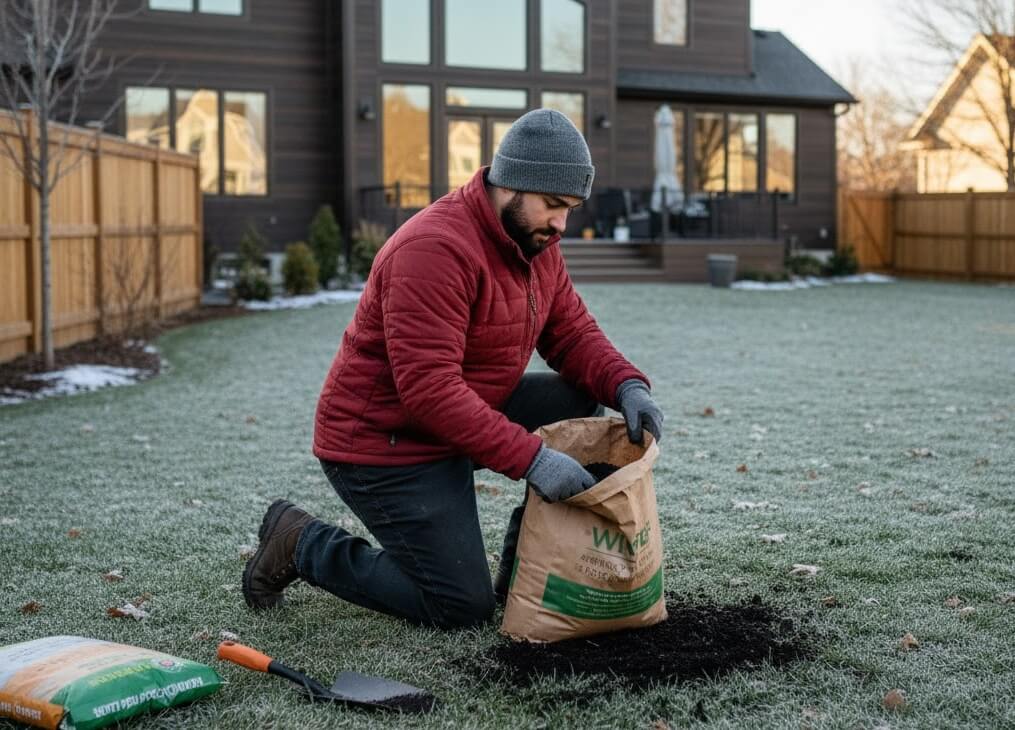



If weeds are taking over your lawn, you may be considering using a weed and feed product to control weeds while fertilizing your grass at the same time. But applying it at the wrong time can reduce its effectiveness—or even damage your lawn.
The best time to apply weed and feed is usually early spring or early fall, when grass is actively growing and daytime temperatures are typically between 60°F and 90°F. Applying it during this window helps the fertilizer strengthen your lawn while the herbicide targets common weeds like dandelions and clover.
Timing is critical because weed and feed products combine fertilizer and herbicide, and each works best under specific conditions. If applied too early in the season, weeds may not absorb the herbicide properly. If applied during hot summer weather, the fertilizer can stress the grass and lead to lawn damage.
Another challenge is that the ideal timing can vary depending on several factors, including:
- Your climate and growing region
- The type of grass in your lawn
- Whether you are targeting existing weeds or preventing new ones
Because of these variables, many homeowners apply weed and feed at the wrong time and end up with poor results.
In this guide, we’ll explain exactly when to apply weed and feed for the best results, including:
- The best season and temperature for application
- The ideal timing based on grass type
- Situations when you should avoid using weed and feed
- Common mistakes that can reduce its effectiveness
By understanding the right timing and conditions, you can use weed and feed more effectively and keep your lawn healthier throughout the growing season.
Quick Answer: When to Apply Weed and Feed
The best time to apply weed and feed is early spring or early fall, when your grass is actively growing and daytime temperatures are typically between 60°F and 90°F. Applying weed and feed during these conditions helps the fertilizer strengthen the lawn while the herbicide effectively targets common broadleaf weeds.
For most lawns in the United States, the ideal timing is:
- Early Spring: March to May, depending on your region
- Early Fall: September to October
Spring applications help control weeds that begin emerging as temperatures warm up, while fall applications are especially effective at targeting perennial weeds that are storing nutrients for winter.
Why Timing Matters
Weed and feed products combine fertilizer and herbicide, which means they work best when both your grass and weeds are actively growing. When applied at the right time:
- Grass absorbs nutrients more efficiently
- Weeds take in the herbicide through their leaves
- The lawn grows thicker and more competitive against future weeds
However, applying weed and feed outside the ideal window can reduce its effectiveness. For example:
- Too early: weeds may not have emerged yet
- Too hot: fertilizer can stress the lawn
- Too cold: grass and weeds are not actively growing
Because climate conditions vary across the country, the exact timing can differ depending on your region and grass type, which we’ll cover in the next section.
Best Time to Apply Weed and Feed by Season
While weed and feed can be applied at different times of the year, spring and fall are generally the most effective seasons. During these periods, grass is actively growing and weeds are more likely to absorb the herbicide, making the treatment more effective.
Below is a closer look at how each season affects weed and feed performance.
Spring: The Most Common Application Time
For many homeowners, early to mid-spring is the best time to apply weed and feed. As temperatures begin to rise, weeds such as dandelions, chickweed, and clover start actively growing. Applying weed and feed during this period allows the herbicide to target these weeds while the fertilizer encourages healthy grass growth.
In most regions of the United States, spring applications typically occur between:
- March and May in warmer climates
- April and early June in cooler northern regions
Applying weed and feed in spring helps your lawn grow thicker and stronger, which naturally reduces the space available for weeds to spread.
Fall: Highly Effective for Perennial Weeds
Fall is another excellent time to apply weed and feed, especially if your lawn struggles with perennial weeds that return every year.
During early fall, weeds begin storing nutrients in their roots to prepare for winter. When herbicides are applied at this time, the chemicals are absorbed and transported deeper into the plant, helping eliminate weeds more effectively.
Typical fall application windows include:
- September to early October in most regions
- Slightly later in warmer climates where grass stays active longer
Fall treatments can also strengthen your lawn before winter dormancy, helping grass return healthier in the following spring.
Summer: Usually Not Recommended
Applying weed and feed during the summer is generally not recommended, especially during periods of high heat or drought.
When temperatures rise above 90°F, lawns often experience heat stress. Adding fertilizer during this time can further stress the grass and may lead to:
- Lawn burn
- Reduced effectiveness of herbicides
- Increased water demand
If weeds appear during summer, spot treatments with a targeted herbicide are often a safer and more effective option than applying weed and feed across the entire lawn.

Best Temperature to Apply Weed and Feed
While many lawn care guides recommend applying weed and feed during certain months, the most reliable indicator is temperature. Weed and feed works best when both grass and weeds are actively growing, which typically occurs when daytime temperatures fall within a moderate range.
For most lawns, the ideal conditions are:
- Daytime temperatures between 60°F and 90°F
- Grass actively growing
- No extreme heat or frost
Within this temperature window, weeds are actively absorbing nutrients through their leaves, which allows the herbicide in weed and feed products to work more effectively.
Why Temperature Matters
Weed and feed products combine fertilizer with herbicides that are usually absorbed through the leaves of weeds. If the temperature is too cold or too hot, the treatment may not work as intended.
For example:
- Below 60°F: Grass and weeds grow slowly, reducing herbicide absorption.
- Above 90°F: Lawns may experience heat stress, increasing the risk of fertilizer burn.
- Extreme heat or drought: Grass may struggle to absorb nutrients efficiently.
Because temperature conditions vary from year to year, relying solely on the calendar can sometimes lead to poor results.
Soil Moisture and Weather Conditions
Weather conditions also influence how well weed and feed products perform. For the best results:
- Apply when the lawn is slightly damp, which helps the product stick to weed leaves.
- Avoid applying before heavy rain, which can wash away fertilizer and herbicide.
- Choose a day with calm wind conditions to prevent uneven application.
Many lawn care professionals recommend applying weed and feed in the morning when the grass has light dew, as this helps the herbicide adhere to the weeds.
Signs Your Lawn Is Ready
Instead of focusing only on the date, look for these signs that your lawn is ready for weed and feed:
- Grass is actively growing and needs regular mowing
- Weeds such as dandelions or clover are visible
- Temperatures remain consistently above 60°F
- The lawn is not under heat or drought stress
Key Takeaway: The best temperature range for applying weed and feed is between 60°F and 90°F, when grass and weeds are actively growing. Monitoring weather conditions is often more reliable than following a fixed calendar date.
Best Time to Apply Weed and Feed by Grass Type
The best time to apply weed and feed can also depend on the type of grass in your lawn. Different grasses grow most actively at different times of the year, and applying fertilizer when your grass is actively growing helps it absorb nutrients more efficiently.
Most lawns in the United States fall into two main categories: cool-season grasses and warm-season grasses.
|
Grass Type |
Common Grasses |
Best Time |
|
Cool-Season Grasses |
|
Spring: April to early June Fall: September to mid-October |
|
|
|
Spring: March to May Early fall: September (before temperatures begin to drop) |
Cool-Season Grasses
Cool-season grasses grow most actively during spring and fall, when temperatures are moderate. These grasses are common in northern parts of the United States and areas with cooler climates.
Fall applications are often especially beneficial for cool-season lawns because the grass is actively growing while many weeds are preparing for winter.
Warm-Season Grasses
Warm-season grasses thrive in hot summer weather and grow most actively when temperatures rise. These grasses are common in southern states and warmer climates.
Applying weed and feed during active growth allows warm-season grasses to spread and fill in bare areas, helping them compete with weeds.
Transition Zone Considerations
Homeowners in the transition zone—regions such as the Midwest and parts of the central United States—may grow either grass type depending on local conditions.
Because temperatures fluctuate more in these areas, the best approach is to focus on:
- Grass actively growing
- Temperatures between 60°F and 90°F
- Avoiding extreme heat or drought periods

Key Takeaway: To get the best results from weed and feed, apply it when your specific grass type is actively growing. Cool-season grasses respond best in spring and fall, while warm-season grasses usually benefit from spring applications and early fall treatments.
When Not to Apply Weed and Feed
Although weed and feed can be effective when used at the right time, applying it under the wrong conditions can reduce its effectiveness or even harm your lawn. Knowing when to avoid using weed and feed is just as important as knowing the best time to apply it.
Here are several situations when you should delay application.
1. During Extreme Heat
Applying weed and feed during hot summer weather can stress your lawn. When temperatures rise above 90°F, many grasses enter a heat-stress period and become more sensitive to fertilizers and herbicides.
Applying weed and feed during extreme heat may lead to:
- Fertilizer burn
- Increased water stress
- Reduced herbicide effectiveness
If weeds appear during the summer, targeted spot treatments are usually a safer option than applying weed and feed across the entire lawn.
2. Before Heavy Rain
Weed and feed products need time to adhere to weed leaves and be absorbed by the plant. Applying it just before heavy rain can wash away the herbicide and fertilizer before they have time to work.
For best results, choose a day when:
- Rain is not expected for at least 24 hours
- Wind conditions are calm
- The lawn is slightly damp but not saturated
3. During Drought or Lawn Stress
If your lawn is already under stress from drought, disease, or poor soil conditions, applying fertilizer can make the problem worse.
Signs of a stressed lawn include:
- Brown or thinning grass
- Dry, brittle blades
- Slow or uneven growth
In these cases, it is better to focus on watering and improving soil health before applying weed and feed.
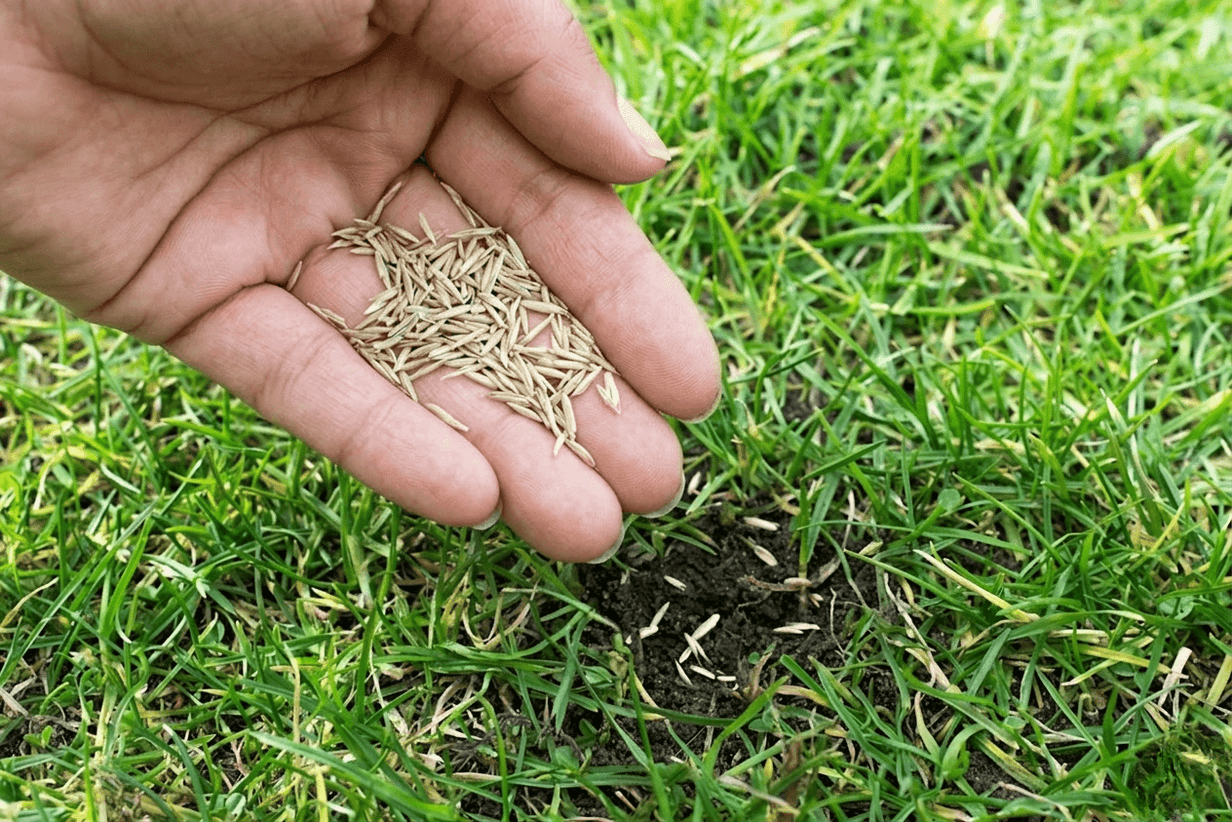
4. On Newly Seeded Lawns
Weed and feed products should generally not be applied to newly seeded lawns. Many herbicides used in weed and feed products can damage young grass seedlings before they become fully established.
A common recommendation is to wait until:
- The new grass has been mowed at least two or three times, or
- The lawn is fully established, which may take several weeks
Always check the product label for specific instructions, since some formulations have stricter guidelines.
5. During Cold Weather
Applying weed and feed when temperatures are too cold can also reduce its effectiveness. When temperatures fall below about 60°F, grass and weeds grow more slowly, which limits herbicide absorption and fertilizer uptake.
Key Takeaway: Avoid applying weed and feed during extreme heat, heavy rain, drought conditions, cold weather, or on newly seeded lawns. Waiting for the right conditions helps protect your grass and ensures the treatment works as intended.
In the next section, we’ll walk through how to apply weed and feed correctly, including simple steps that can help improve its effectiveness and prevent common lawn care mistakes.
How to Apply Weed and Feed for Best Results
Applying weed and feed correctly is just as important as choosing the right time. Proper application helps ensure the herbicide targets weeds effectively while the fertilizer promotes healthy lawn growth.
Follow these basic steps to get the best results from weed and feed products.
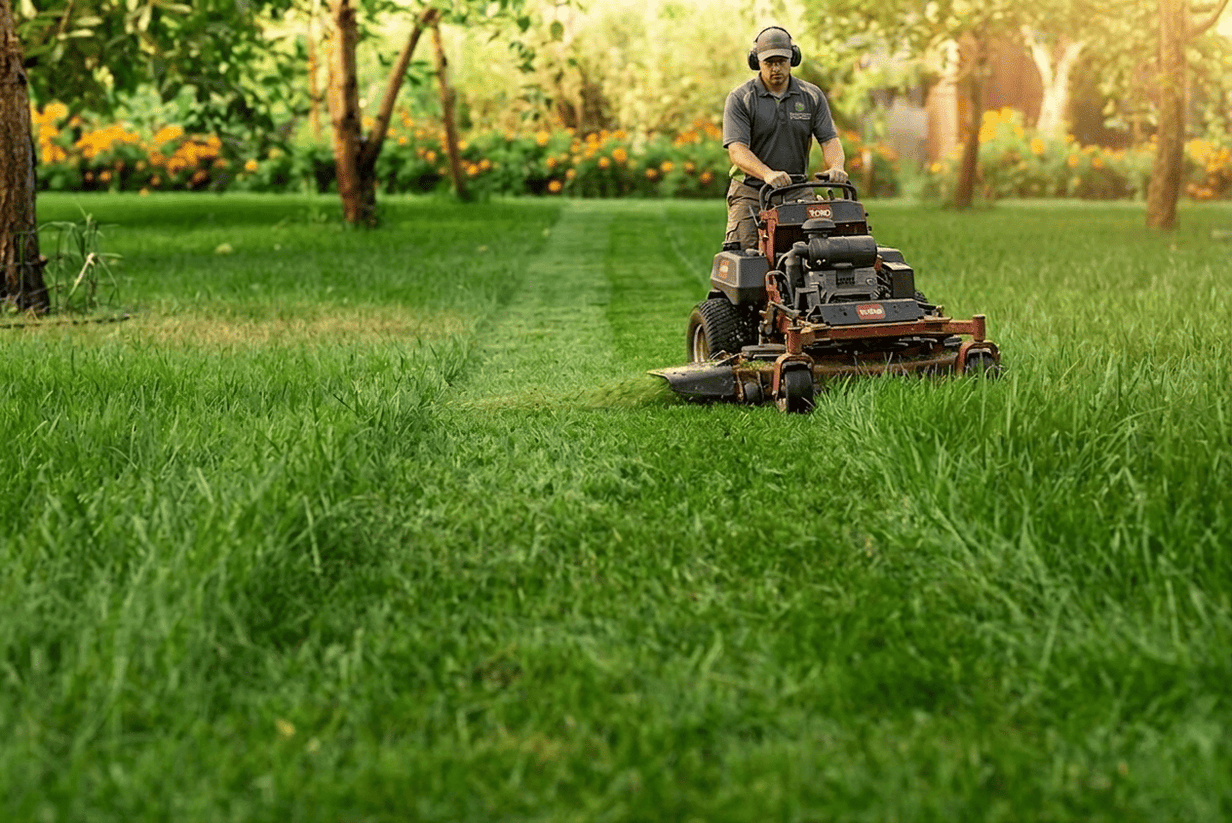
1. Mow Your Lawn a Few Days Before Application
Before applying weed and feed, mow your lawn two to three days in advance. This allows weeds enough leaf surface to absorb the herbicide while keeping the grass at a manageable height.
Avoid mowing immediately after applying weed and feed. It is usually best to wait at least two days so the herbicide has time to work.
2. Apply When the Grass Is Slightly Damp
Weed and feed products work best when they can stick to weed leaves. Applying the product when the lawn is slightly damp from morning dew or light watering helps the herbicide adhere to weeds more effectively.
However, the lawn should not be soaking wet, as excessive moisture can cause uneven distribution.
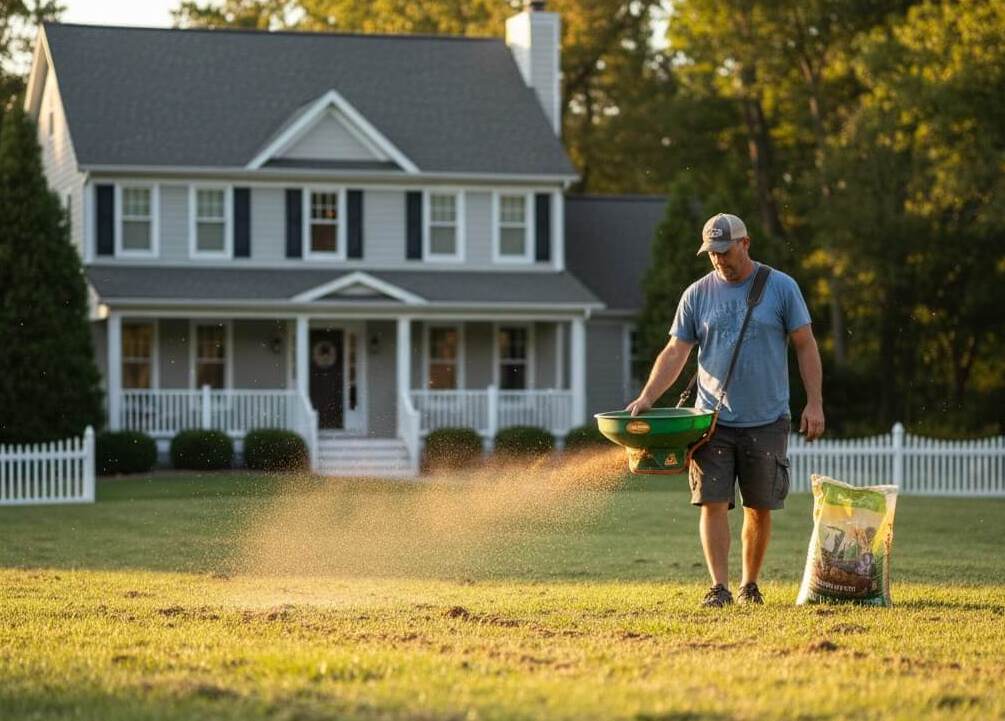
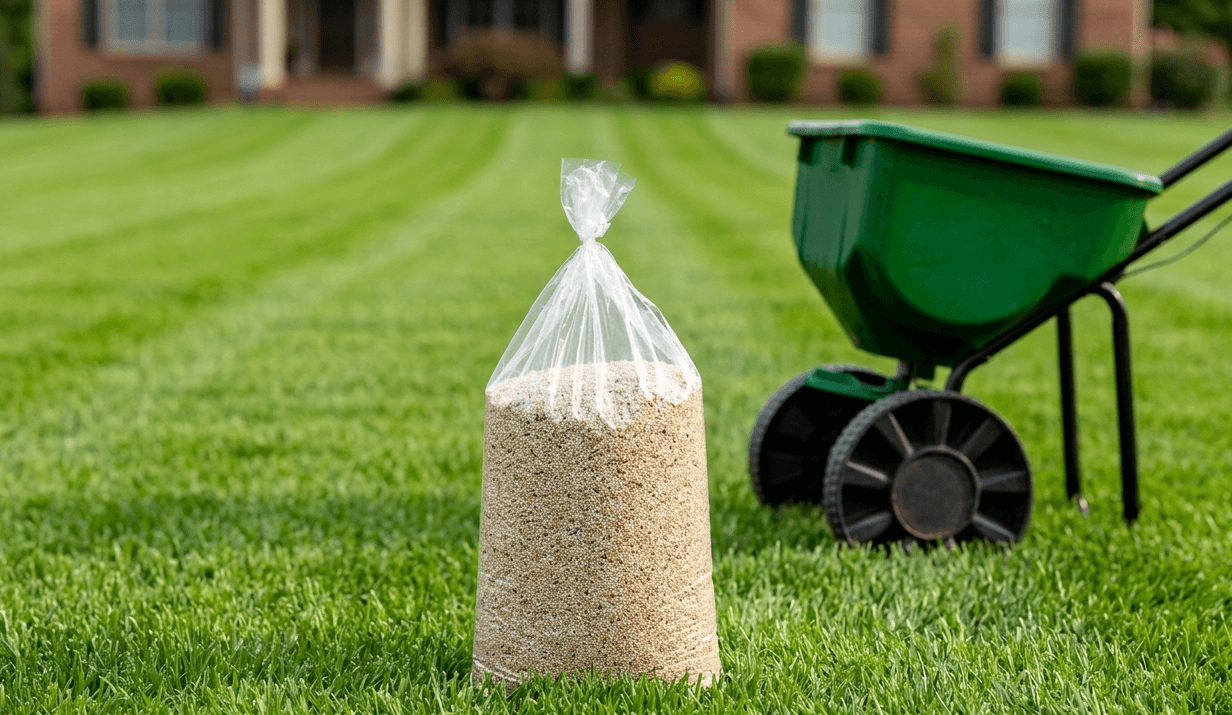
3. Use a Broadcast Spreader for Even Coverage
Most granular weed and feed products are applied using a broadcast or drop spreader. Using a spreader helps distribute the product evenly across the lawn and prevents over-application.
Before spreading the product:
- Check the recommended spreader setting on the product label
- Walk at a steady pace to maintain even coverage
- Slightly overlap passes to avoid missed areas
Uneven application can result in patchy weed control or areas of fertilizer burn.
4. Avoid Watering Immediately After Application
For many weed and feed products, it is best to wait about 24 hours before watering the lawn. This gives the herbicide time to stick to weeds and be absorbed through the leaves.
However, some products recommend watering after application to help activate the fertilizer in the soil. Always follow the specific instructions on the product label.
5. Keep Pets and Children Off the Lawn Temporarily
After applying weed and feed, it’s best to keep pets and children off the lawn until the product has settled or been watered in according to the manufacturer’s instructions.
This precaution helps prevent unnecessary exposure to herbicides and fertilizers.

Common Weed and Feed Mistakes to Avoid
Even when applied during the correct season, weed and feed products may not deliver the expected results if they are used incorrectly. Many lawn care problems occur because of simple application mistakes that reduce effectiveness or damage the grass.
Here are some of the most common mistakes homeowners make when using weed and feed.
1. Applying Too Early in Spring
One frequent mistake is applying weed and feed before weeds have started actively growing. Many herbicides in weed and feed products work by being absorbed through weed leaves. If weeds have not yet emerged or begun growing, the treatment may have little effect.
Instead of applying based solely on the calendar, wait until:
- Daytime temperatures are consistently above 60°F
- Weeds are visible and actively growing
- Your lawn has started its regular growth cycle
2. Applying During Hot Summer Weather
Applying weed and feed during extreme summer heat can cause stress to your lawn. Fertilizer combined with high temperatures may increase the risk of lawn burn or dehydration.
Most lawn care experts recommend avoiding application when temperatures exceed 90°F or when the lawn is already under heat stress.
3. Using Too Much Product
Over-application is another common mistake. Applying too much weed and feed does not improve weed control and can actually harm your lawn by delivering excessive fertilizer or herbicide.
This may lead to:
- Patchy grass growth
- Fertilizer burn
- Environmental runoff
Always follow the recommended spreader settings and application rates on the product label.
4. Applying to Newly Seeded Grass
Young grass seedlings are particularly sensitive to herbicides. Applying weed and feed too soon after seeding can damage or kill new grass before it becomes established.
A general rule is to wait until:
- The new lawn has been mowed two to three times, or
- The grass is fully established
5. Ignoring Weather Conditions
Weather conditions can significantly affect how well weed and feed works. Applying before heavy rain may wash away the product, while strong winds can cause uneven distribution.
For best results, choose a day when:
- Rain is not expected for at least 24 hours
- Wind is minimal
- Temperatures are within the recommended range
Key Takeaway
Avoiding common mistakes—such as applying too early, using too much product, or treating a stressed lawn—can make a significant difference in how effective weed and feed products are.
In the final section, we’ll summarize the best time to apply weed and feed and key tips for getting the best results from your lawn care routine.
Conclusion: Choosing the Best Time to Apply Weed and Feed
Applying weed and feed at the right time can make a major difference in how effectively it controls weeds and supports healthy lawn growth. While these products offer the convenience of combining fertilizer and herbicide, their success depends largely on proper timing and application conditions.
For most lawns, the best time to apply weed and feed is early spring or early fall, when grass is actively growing and daytime temperatures typically range between 60°F and 90°F. These conditions allow weeds to absorb the herbicide while giving your grass the nutrients it needs to grow thicker and stronger.
To get the best results, remember these key tips:
- Apply weed and feed when grass and weeds are actively growing
- Choose days when temperatures are between 60°F and 90°F
- Avoid applying during extreme heat, drought, or before heavy rain
- Do not use weed and feed on newly seeded lawns
- Follow the recommended application rate and spreader settings
When used correctly, weed and feed can help improve lawn health and reduce weed growth over time. However, paying attention to season, temperature, grass type, and weather conditions is essential for achieving the best results.
By applying weed and feed during the proper window and avoiding common mistakes, homeowners can maintain a greener, healthier lawn throughout the growing season.
Frequently Asked Questions
1. Should you mow before applying weed and feed?
Yes. It’s usually best to mow your lawn 1–2 days before applying weed and feed. This helps expose weed leaves so the herbicide can attach more effectively while keeping the grass short enough for the product to reach weeds. Avoid mowing on the same day you apply weed and feed, and wait 24–48 hours after application before mowing again.
2. Can you apply weed and feed before rain?
It’s generally not recommended to apply weed and feed right before heavy rain. Rain can wash the product off the weeds before the herbicide has time to be absorbed, reducing its effectiveness. For best results, choose a day when no rain is expected for at least 24 hours after application.
3. Should the lawn be wet or dry when applying weed and feed?
Most granular weed and feed products work best when the grass is slightly damp, such as from morning dew. Moisture helps the herbicide granules stick to weed leaves so they can be absorbed. However, the lawn should not be soaking wet, as excess moisture may cause uneven distribution.
4. How long should you wait to water after applying weed and feed?
The waiting time depends on the type of product you use. Many granular weed and feed products require 24–72 hours before watering, allowing the herbicide to remain on the weeds long enough to be absorbed. Always check the product label for specific instructions.
5. Can you use weed and feed on a newly seeded lawn?
No. Weed and feed should not be applied to newly seeded grass because the herbicides can damage young seedlings. Most lawn care experts recommend waiting until the new grass has been mowed at least two or three times before applying weed and feed.
6. How often should weed and feed be applied?
Most weed and feed products are designed to be used once or twice per year, typically in spring and fall. Applying it too frequently can lead to excess fertilizer in the soil and may harm your lawn.
7. Does weed and feed kill all types of weeds?
Most weed and feed products target broadleaf weeds, such as:
- Dandelions
- Clover
- Chickweed
- Plantain
However, they may not effectively control grassy weeds like crabgrass unless the product specifically includes a pre-emergent herbicide.
8. How long does it take for weed and feed to work?
Weed and feed products usually begin showing results within 7 to 14 days, although some stubborn weeds may take longer to die. The fertilizer portion typically improves lawn color and growth within a few weeks.