


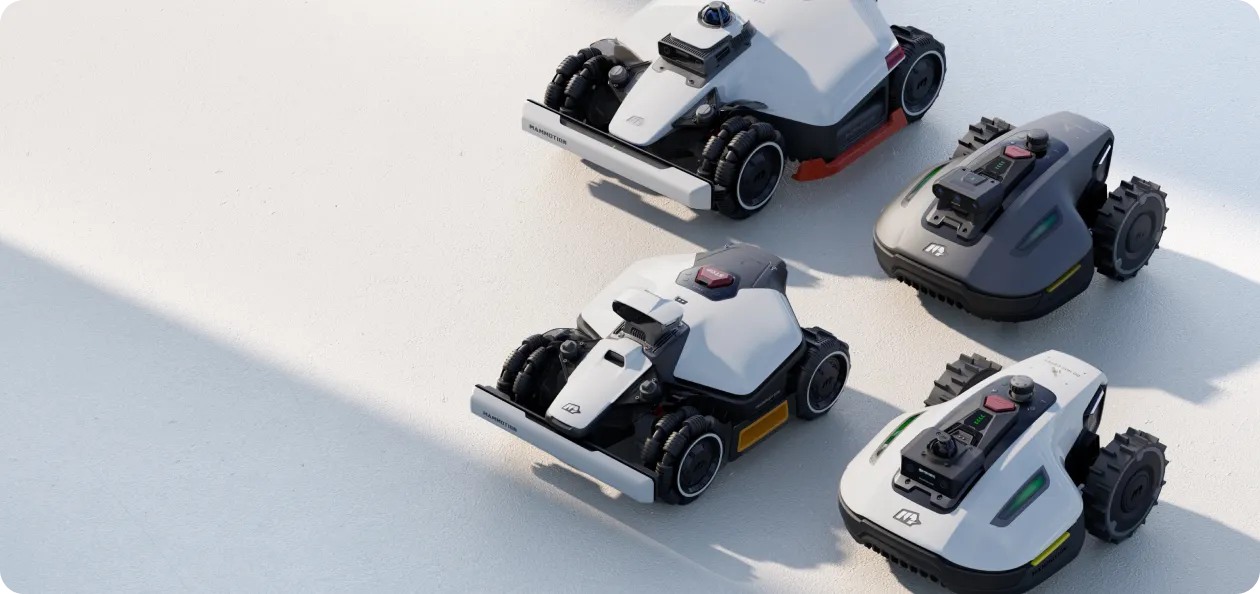
Buying a lawn mower at the right time can save you hundreds of dollars. But with different models, seasonal demand, and retailer pricing cycles, many homeowners aren’t sure when the best time to buy a lawn mower really is. The truth is, mower prices follow predictable seasonal patterns — and understanding them puts you in a powerful position as a buyer.
In this guide, you’ll learn exactly which months offer the deepest lawn mower discounts, how prices change throughout the year, and how to time your purchase for maximum savings. Whether you’re shopping for a push mower, a riding mower, or a robotic lawn mower, this guide will help you buy smarter and spend less.
What Is the Best Time to Buy a Lawn Mower?
The best time to buy a lawn mower is typically in the fall (September–October) and during major winter sales events such as Black Friday and year-end clearance.
During these periods, retailers discount remaining inventory to make room for new models, often offering 20–50% off on select lawn mowers. Off-season demand is low, which gives buyers strong negotiating power and access to clearance pricing.
Seasonal Price Trends for Lawn Mowers
Lawn mower prices rise and fall throughout the year based on demand, inventory turnover, and manufacturer release cycles. Understanding these seasonal patterns is key to finding the true best time to purchase a lawn mower.
Spring (March–May): High Demand, Highest Prices
Spring is the start of mowing season, which means it’s also the time of highest consumer demand. Most homeowners begin shopping once grass starts growing, allowing retailers to:
- Sell at or near full MSRP
- Limit discounts on popular models
- Prioritize availability over savings
While some promotional sales may appear around early spring holidays, this is generally the worst time to buy a lawn mower if your goal is to save money. However, if your old mower breaks down unexpectedly and you need a replacement immediately, spring offers the widest selection and fastest availability.
Best for: Emergency purchases or buyers who prioritize model selection over price
Savings potential: Low (0–10%)
Summer (June–August): Moderate Discounts, Limited Inventory
By mid-summer, initial buying pressure starts to ease. Retailers may introduce select promotional discounts, especially on older stock or slower-moving models. However:
- Popular models are often already sold out
- Discounts tend to be shallow
- Inventory variety begins to shrink
Summer can be a reasonable time to buy if you find a targeted sale, but it generally does not offer the deep markdowns associated with the best time to buy a lawn mower.
Best for: Buyers who missed spring and need a mower before fall
Savings potential: Moderate (10–20%)
Fall (September–October): The Best Time to Buy a Lawn Mower
Fall is widely considered the best time to buy a lawn mower for most consumers. As mowing season ends in many regions, retailers shift focus toward:
- Clearing out current-year inventory
- Making space for winter equipment and next-year models
- Reducing storage and carrying costs
This creates ideal conditions for buyers. During fall clearance events, it’s common to see:
- Deep discounts on floor models and excess inventory
- Significant price cuts on gas, electric, and robotic mowers
- Bundle deals and extended warranties as incentives
Selection may be slightly more limited than in spring, but the price-to-value ratio is at its absolute best during these months.
Best for: Value-focused buyers and long-term planners
Savings potential: High (20–40% or more)
Winter (November–February): Holiday & Year-End Clearance Sales
Winter brings another excellent opportunity for savings, especially during major retail events such as:
- Black Friday
- Cyber Monday
- End-of-year inventory sales
- New Year promotions
Because mowing demand is near zero in colder regions, retailers aggressively discount remaining stock. Winter is particularly advantageous for:
- Robotic lawn mowers
- Electric mowers
- High-end riding and zero-turn mowers from previous model years
The main trade-off is delayed usability — you may not need your mower for several months — but financially, winter can rival fall as the cheapest time to buy a lawn mower.
Best for: Budget-focused buyers and early planners
Savings potential: Very high (up to 50% on select models)
Best Time to Buy Lawn Mower by Type
While seasonal timing plays a major role, the best time to buy a lawn mower also depends on the type of mower you’re shopping for. Different categories follow slightly different pricing cycles based on demand, production costs, and inventory turnover. Understanding these differences can help you time your purchase even more precisely and unlock deeper savings.
Best Time to Buy Lawn Mower by Type (Quick Comparison Table)
| Lawn Mower Type | Best Time to Buy | Secondary Buying Window | Typical Savings | Worst Time to Buy | Key Buying Notes |
|---|---|---|---|---|---|
| Push & Walk-Behind Mowers | September–October | November–December | 20–40% | March–May | End-of-season clearance offers the best value; spring has the widest selection but highest prices. |
| Riding Lawn Mowers | October–December | January–February (warm regions) | 15–35%+ | Early Spring | Dealers discount heavily to avoid winter storage costs; strong negotiation potential in fall. |
| Zero-Turn Mowers | October–December | January | 20–40% | March–April | Manufacturer rebates and dealer closeouts are common at year-end. |
| Robotic Lawn Mowers | November–January | Late Summer Model Refresh | 15–40% | March–April | Discounts align with holiday electronics sales and direct-to-consumer brand promotions. |
| Electric Lawn Mowers | Fall & Winter | Holiday Sales | 20–40% | Spring | Frequently bundled with batteries and chargers during clearance and holiday sales. |
| Gas Lawn Mowers | Late Fall | Early Winter | 15–30% | Spring | Retailers push gas models out ahead of electric inventory and winter storage constraints. |
Best Time to Buy a Push & Walk-Behind Lawn Mower
Push mowers and walk-behind lawn mowers are the most common choice for small to medium-sized lawns. Because they sell in high volume, retailers aggressively discount them once the mowing season winds down.
Best months to buy:
- September and October (end-of-season clearance)
- November–December (holiday and year-end sales)
During fall clearance events, you’ll often find:
- Last year’s models marked down 20–40%
- Additional discounts on electric and battery-powered push mowers
- Bundle promotions such as free replacement blades or extended warranties
Spring offers the largest selection, but prices are typically at their peak. If saving money is your priority, fall remains the best time to buy a push lawn mower.
Savings potential: 20–40%
Worst time to buy: March–May
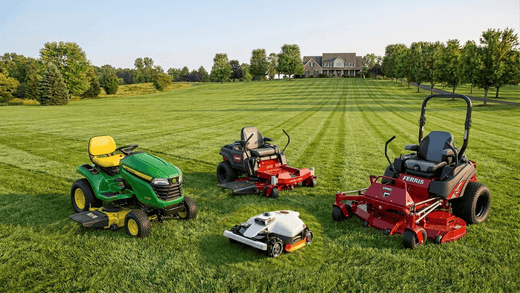
Best Time to Buy a Riding Lawn Mower & Zero-Turn Mower
Riding lawn mowers and zero-turn mowers represent a major investment, so timing matters even more in this category. These machines take up significant retail floor space, which motivates dealers to clear inventory aggressively at the end of the season.
Best months to buy:
- October through December
- Late winter (January–February) in warmer regions
During this window, buyers can benefit from:
- Manufacturer closeout rebates
- Dealer clearance sales on floor models
- Financing incentives such as 0% APR for 36–60 months
- Free delivery and setup offers
Because riding mowers are expensive to store over winter, dealerships are often willing to negotiate heavily on price. This makes late fall and early winter the best time to buy a riding lawn mower or zero-turn mower.
Savings potential: 15–35% (sometimes higher on outgoing models)
Worst time to buy: Early spring model releases
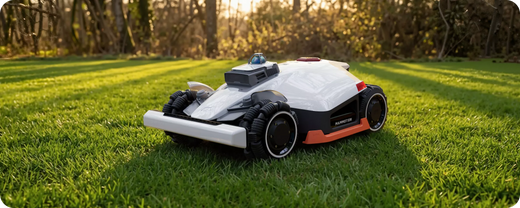
Best Time to Buy a Robotic Lawn Mower
Robotic lawn mowers follow a slightly different buying cycle than traditional gas or electric mowers. Their pricing is influenced not only by seasonal mowing demand, but also by consumer electronics sales cycles.
Best months to buy:
- November–January (Black Friday, Cyber Monday, New Year promotions)
- Late summer product refresh periods (limited models)
The biggest discounts on robotic lawn mowers typically appear during:
- Holiday shopping events
- Direct-to-consumer brand promotions
- Inventory refresh cycles when new tech models are announced
Because robotic mowers are often sold online, flash sales and limited-time promotions are common. Winter is widely regarded as the best time to buy a robotic lawn mower, especially for premium smart models.
Savings potential: 15–40%
Worst time to buy: Peak spring demand (March–April)

Best Time to Buy an Electric vs Gas Lawn Mower
The growing shift toward battery-powered lawn equipment has created distinct pricing trends between electric and gas lawn mowers.
Electric Lawn Mowers
- Best buying window: Fall and winter
- Frequently included in eco-friendly promotions and bundle deals
- Often discounted alongside batteries, chargers, and other cordless tools
- Additional savings may come from local rebates or seasonal energy incentives
Gas Lawn Mowers
- Best buying window: Late fall
- Heavily discounted as retailers reduce hazardous fuel-storage inventory
- Clearance events often target last-year gas models to make room for electric alternatives
For both types, fall remains the best time to buy a lawn mower, but electric models tend to receive broader winter holiday discount support.
Savings potential: Electric lawn mowers: 20–40% Gas lawn mowers: 15–30%
Retailer Sale Cycles & Discount Events
Beyond seasonal trends, retailer-specific sales cycles play a major role in determining the best time to purchase a lawn mower. Different types of sellers — big-box stores, online retailers, and local dealerships — follow distinct pricing strategies. Knowing how each operates can help you spot real deals instead of marketing-driven “discounts.”
Big-Box Retailers (Home Depot, Lowe’s, and Similar Stores)
Large home improvement chains follow predictable annual sales patterns tied closely to outdoor maintenance seasons and national retail events.
Best times to buy a lawn mower at big-box stores:
- September–October: End-of-season clearance for walk-behind and riding mowers
- Black Friday & Cyber Monday: Deep discounts on electric and robotic mowers
- Late winter (January–February): Final closeouts on remaining inventory
In spring, big-box retailers shift focus to:
- Full-price new model launches
- High-volume sales with very limited discounting
While you may see eye-catching spring promotions, the deepest price cuts almost always happen in fall and winter.
Pro Tip: Floor models and returned items are often heavily discounted at the end of the season and still come with a limited warranty.
Online Stores & Direct-to-Consumer Brand Websites
Online retailers and manufacturer websites operate on faster pricing cycles than physical stores. This makes them particularly attractive for budget-conscious buyers.
Best times to buy a lawn mower online:
- Black Friday & Cyber Monday
- Flash sales throughout winter
- Model-refresh periods when new versions are announced
Online channels commonly offer:
- Exclusive promo codes
- Limited-time discounts
- Free shipping and extended return policies
- Bundled accessories at reduced prices
For robotic and smart lawn mowers, direct brand websites are often the first to launch major discounts, making winter the most reliable period to find aggressive price drops.
Pro Tip: Sign up for email alerts and price-drop notifications. Many major discounts appear with little advance notice.
Local Dealerships & Equipment Sellers
Local dealers specializing in riding mowers, zero-turn mowers, and professional-grade equipment offer some of the best negotiation opportunities — especially at the end of the season.
Best times to buy a lawn mower from local dealers:
- October–December: End-of-year inventory reductions
- Late winter: Slow sales periods when cash flow matters most
Advantages of buying from a local dealer include:
- Flexible pricing on floor models
- Trade-in offers on old equipment
- Seasonal service packages bundled with purchases
- Personalized setup and delivery
Because dealers must carry substantial winter storage costs, they are often willing to accept significantly lower margins in order to move inventory before winter fully sets in.
Pro Tip: Ask about last year’s models that were never sold — these often come with the steepest discounts and full manufacturer warranties.
Major Sale Events That Offer the Biggest Savings
To maximize your chances of buying at the lowest possible price, watch for these high-impact sale periods:
-
End-of-Season Clearance (September–October)
Highest markdowns on walk-behind, riding, and gas mowers -
Black Friday & Cyber Monday (November)
Best for electric, battery-powered, and robotic mowers -
Year-End Closeouts (December–January)
Dealer-driven clearance on unsold inventory -
New Model Launch Periods (Late Winter/Early Spring)
Discounts on outgoing models when new versions are released
These retail-driven sale cycles strongly reinforce why fall and winter consistently represent the best time to buy a lawn mower.
How to Tell If a Sale Is a Real Deal
Not every “sale” delivers real value. To avoid overpaying during heavily marketed discount periods:
- Compare prices across multiple retailers
- Check historical pricing with online tracking tools
- Look for “clearance” vs. “limited-time discount” wording
- Evaluate total cost, including shipping, setup, and warranty length
- Confirm you’re buying a current or recent model, not outdated stock
By combining seasonal timing with retailer-specific strategies, you dramatically increase your chances of securing the lowest possible price.
How Much Can You Actually Save on a Lawn Mower?
Understanding how much you can realistically save helps set proper expectations and prevents buyers from falling for misleading “discount” claims. While exact savings vary by brand, model, and retailer, long-term pricing trends show consistent and predictable discount ranges based on season.
Below is a realistic breakdown of what buyers can expect when timing their purchase correctly.
Typical Lawn Mower Discount Ranges by Season
Spring (March–May): 0–10% Savings
- Peak demand keeps prices high
- Most models sell at full MSRP
- Limited-time promos are usually small and heavily restricted
- Best for selection, worst for savings
Summer (June–August): 10–20% Savings
- Modest sales on slower-moving inventory
- Targeted promotions on select brands and older models
- Popular items often sold out before meaningful discounts appear
Fall (September–October): 20–40% Savings ✅ Best Value Window
- End-of-season clearance pricing
- Deep markdowns on gas, electric, and walk-behind mowers
- Dealer incentives increase negotiation potential
- Best balance of price + availability
Winter (November–February): Up to 50% Savings ✅ Deepest Potential Discounts
- Black Friday, Cyber Monday, and year-end liquidation events
- Excellent deals on robotic, electric, and high-end riding mowers
- Last-chance clearance for prior-year inventory
- Savings are highest, but selection is most limited
These numbers reinforce why fall and winter consistently represent the cheapest time to buy a lawn mower for most buyers.
MSRP vs. Real Market Price: What Buyers Should Know
Many lawn mowers are listed at a high Manufacturer’s Suggested Retail Price (MSRP) that rarely reflects the true market value. Retailers rely on MSRP to create the appearance of steep discounts later in the year.
What smart buyers understand:
- A “$1,200 mower on sale for $899” may still be priced close to its true market value
- The best discounts appear when retailers cut below their normal selling price, not just MSRP
- Clearance pricing usually reflects the lowest real-world cost of a mower during its annual cycle
Tracking prices over time — rather than reacting to a single advertised discount — is the most reliable way to confirm genuine savings.
Additional Ways Buyers Unlock Extra Savings
Seasonal sales are just one piece of the puzzle. Many buyers increase their total savings by stacking multiple incentives at once:
- Promo codes + seasonal discounts
- Manufacturer rebates during closeouts
- Dealer financing incentives (0% APR)
- Free delivery, setup, or extended warranties
- Bundle deals with batteries, accessories, or spare parts
These added benefits can increase the total value of your purchase by 10–25% beyond the sticker price reduction alone.
Are Refurbished and Open-Box Lawn Mowers Worth It?
During fall and winter, many retailers list:
- Open-box returns
- Lightly used demonstration models
- Factory-refurbished lawn mowers
These units often carry:
- Full or limited manufacturer warranties
- Professional inspection and testing
- Discounts of 30–60% off original retail pricing
For buyers comfortable with minor cosmetic imperfections, refurbished and open-box units can represent some of the best overall values of the entire year.
Smart Buying Tips to Maximize Your Lawn Mower Savings
1. Track Prices Before You Buy
One of the most effective ways to spot a real bargain is to monitor pricing trends several weeks before purchasing. Many retailers adjust mower prices frequently based on inventory levels and demand.
- Use online price-tracking tools or browser extensions
- Watch how prices change week-to-week
- Look for “true drops,” not just MSRP-based discounts
This prevents you from buying during a temporary price spike disguised as a sale.
2. Compare Online and In-Store Pricing
Some of the best lawn mower deals appear online, while others are exclusive to physical stores. Smart buyers check both.
- Online prices may include flash sales and promo codes
- In-store pricing may offer floor model discounts and bundle offers
- Local dealers often have negotiation flexibility that online stores do not
Always calculate your total cost, including:
- Delivery fees
- Setup charges
- Warranty extensions
- Return shipping (if applicable)
3. Ask About Floor Models and Last-Year Inventory
Retailers and dealers are highly motivated to move:
- Floor display units
- Open-box returns
- Previous-year models
These mowers are often:
- Mechanically identical to new models
- Fully warranty-eligible
- Discounted far beyond advertised sales
Simply asking a sales associate about clearance inventory in the back can unlock hidden savings.
4. Stack Promotions Whenever Possible
To maximize savings, look for opportunities to combine:
- Seasonal clearance pricing
- Promo codes
- Manufacturer rebates
- Financing incentives
- Credit card cash-back programs
Stacking incentives is often how buyers unlock the deepest real-world discounts of the year.
5. Confirm Warranty, Return Policy, and Service Availability
A lawn mower is a long-term investment. Before finalizing a purchase:
- Confirm the full warranty coverage, especially on clearance items
- Review the retailer’s return policy for large equipment
- Check local availability of service and replacement parts
The cheapest mower is not always the best value if long-term support is limited.
6. Avoid These Common Buying Mistakes
Even experienced buyers can overpay by making these common errors:
- Buying during peak spring demand without price comparison
- Waiting too long during clearance events and missing inventory
- Ignoring total ownership cost (maintenance, parts, fuel, batteries)
- Choosing a model too large or too powerful for your actual lawn size
Avoiding these mistakes helps ensure your purchase delivers real value long after checkout.
When NOT to Buy a Lawn Mower
Just as important as knowing the best time to buy a lawn mower is understanding when to avoid buying altogether. Certain periods consistently result in higher prices, fewer discounts, and reduced negotiating power.
Early Spring (March–April): Peak Pricing Window
As winter ends and grass begins to grow, demand for lawn mowers surges. Retailers take advantage of this predictable spike by:
- Launching new models at full MSRP
- Reducing promotional discounts
- Prioritizing availability over price flexibility
This is typically the most expensive time of the year to buy any type of lawn mower. Even when promotions appear, they are usually tied to financing offers rather than true price reductions.
Why avoid it:
- Highest retail prices
- Limited clearance inventory
- Low room for negotiation
Immediately After New Model Releases
Manufacturers frequently release updated lawn mower models in late winter or early spring. When this happens:
- New models command premium pricing
- Outgoing models may not yet be discounted
- Early adopters pay significantly more
Unless you specifically need the latest features, it is rarely cost-effective to buy right after a new model launch. Waiting just a few months often leads to substantial price drops on both current and outgoing models.
Holiday Weekends Without Real Sales
Not every holiday weekend offers meaningful discounts. Some events are primarily marketing-driven and only feature minor price adjustments.
Be cautious when buying during:
- Memorial Day Weekend
- Independence Day (July 4th)
- Labor Day Weekend
While these holidays may include small promotions, they rarely compete with the deep savings seen during fall or winter clearance events.
Peak Demand Weekends
Warm, sunny weekends in spring create sudden demand surges. Prices may temporarily increase when:
- Local inventory becomes limited
- Popular models sell out quickly
- Retailers receive an influx of last-minute buyers
Purchasing during high-demand weekends reduces your negotiating leverage and increases the risk of paying above-market pricing.
Special Considerations for Robotic Mower Buyers

As robotic mowers gain popularity for their convenience and automation, it’s important to understand how buying them differs from purchasing traditional mowers. If you're considering one, knowing the best time to buy a lawn mower—especially a robotic model—can lead to major savings.
1. New Releases Drive Up Prices in Spring
Just like standard lawn mowers, robotic mowers often see new model launches in spring. These newer models usually feature:
- Advanced GPS or RTK navigation
- Improved battery life
- Boundary-free mowing technology
The downside: Springtime releases often come at premium prices due to high demand and limited availability. If you’re not set on having the latest features, waiting can save you hundreds of dollars.
2. Winter Offers the Best Off-Season Deals
The winter months (especially December to February) are typically the best time to buy a lawn mower if you’re looking at robotic models. During this slow season:
- Retailers clear out last year’s models
- Discounts of 20–40% are common
- Bundles with accessories or extended warranties are often included
Best for budget-conscious buyers who prioritize value over cutting-edge features.
3. Older Robotic Models Depreciate Quickly—but Still Perform Well
Due to rapid innovation, robotic mowers depreciate faster than gas or push mowers. However, this works in your favor:
- Last year’s models may offer 90% of the features at 60–70% of the original price
- Many older units still provide reliable mowing, scheduling, and app integration
If you’re looking for performance over novelty, older units bought during the best time to buy a lawn mower can provide outstanding value.
4. Long-Term ROI and Lower Operating Costs
While robotic mowers require a higher upfront investment, they can pay for themselves over time:
- Lower maintenance (no oil changes, less blade sharpening)
- Zero fuel costs
- Energy-efficient operation with smart scheduling
Combine these long-term savings with a strategic seasonal purchase, and robotic mowers become an even smarter buy.
Summary: Time Your Robot Mower Purchase Right
Whether you’re shopping for the newest flagship model or a reliable prior-year version, remember this:
- The best time to buy a lawn mower—including robotic ones—is during off-peak months like December, February, and October.
- This approach helps you avoid inflated prices and ensures you get maximum functionality at a reduced cost.
Frequently Asked Questions
1. What is the best and cheapest time to buy a lawn mower?
The best time to buy a lawn mower is during February, March, October, and December. These off-season months offer the lowest prices due to clearance events and reduced demand, often leading to savings of 20–40%.
2. Do lawn mowers cost less in winter?
Yes. Winter (especially December through February) is often the best time to buy a lawn mower at a discount. Retailers reduce prices to move unsold stock before the spring season begins.
3. Is Labor Day a good time to buy a lawn mower?
Labor Day can be a good opportunity for moderate discounts. While not the absolute best time to buy a lawn mower, major retailers like Home Depot or Lowe’s may offer limited-time deals.
4. Should I buy a lawn mower in spring or fall?
Fall is the best time to buy a lawn mower if you’re looking to save money, thanks to end-of-season clearance sales. Spring provides the latest models and full selection, but prices are typically higher.
5. Do lawn mowers retain value over time?
Lawn mowers generally depreciate quickly. Most lose 40–60% of their value within a few years, especially during new model releases. Buying at the best time helps reduce depreciation-related losses.
6. Are robotic mowers cheaper during certain times of the year?
Yes. Robotic lawn mowers are often cheapest in December and January when older models are discounted. This is the best time to buy a lawn mower if you're considering smart features on a budget.
7. Can I get a better deal buying a used or refurbished lawn mower off-season?
Absolutely. Buying a used or refurbished lawn mower in the off-season—especially October to February—often yields the best deals. Inventory is higher, and sellers are more motivated to offer discounts.
8. How do I know if it’s a good time to buy a lawn mower?
Check for seasonal sales, clearance events, and new model launches. If you're seeing markdowns and limited-time bundles, it’s likely the best time to buy a lawn mower—especially if it’s fall or winter.
Did you like this article? Add us as a preferred source to find us more easily on Google.