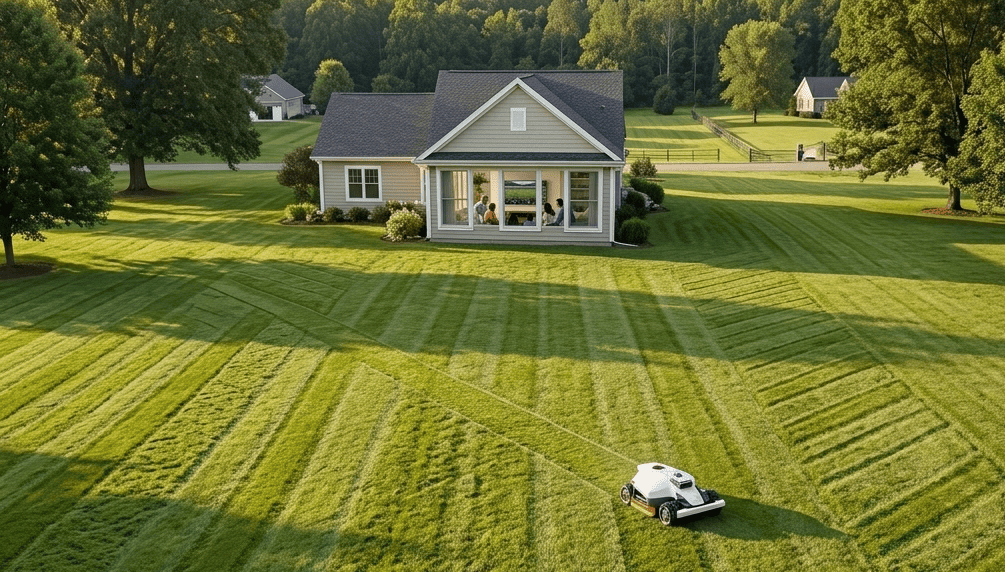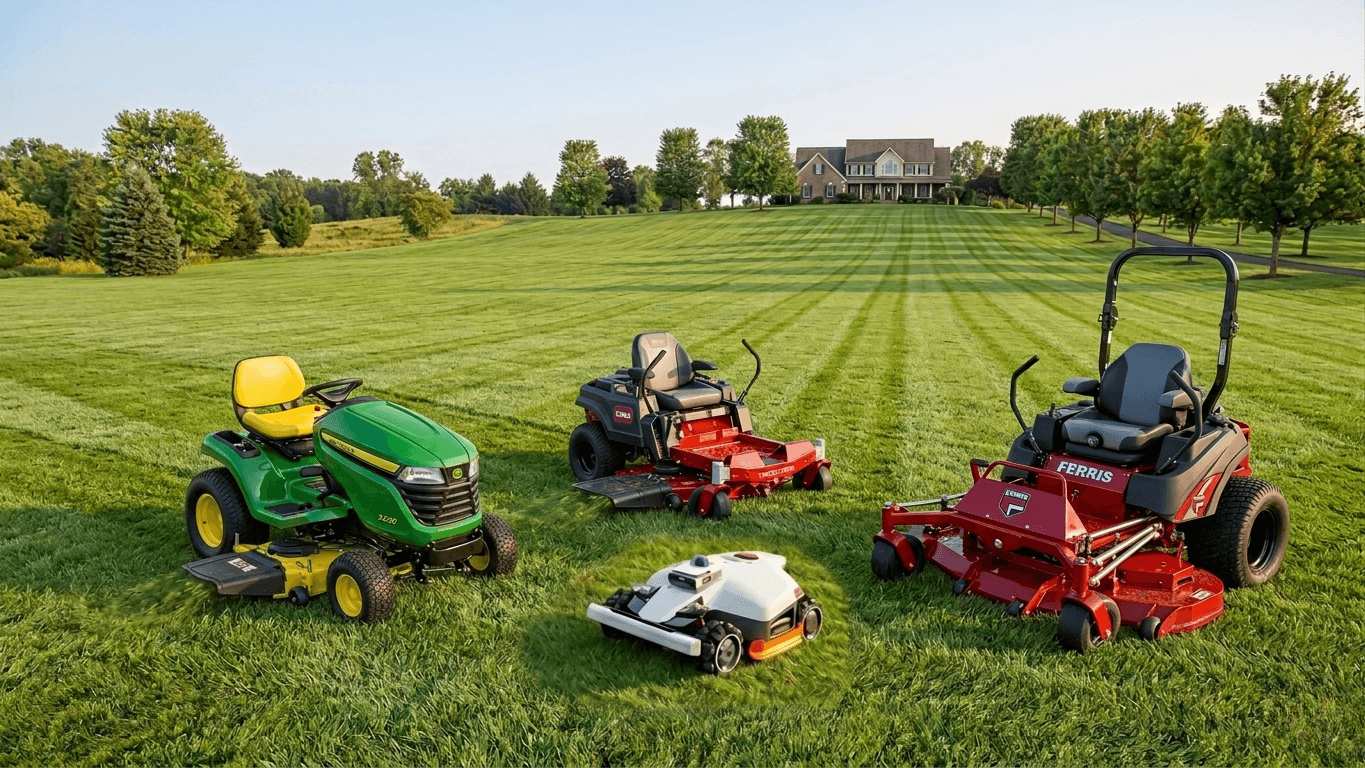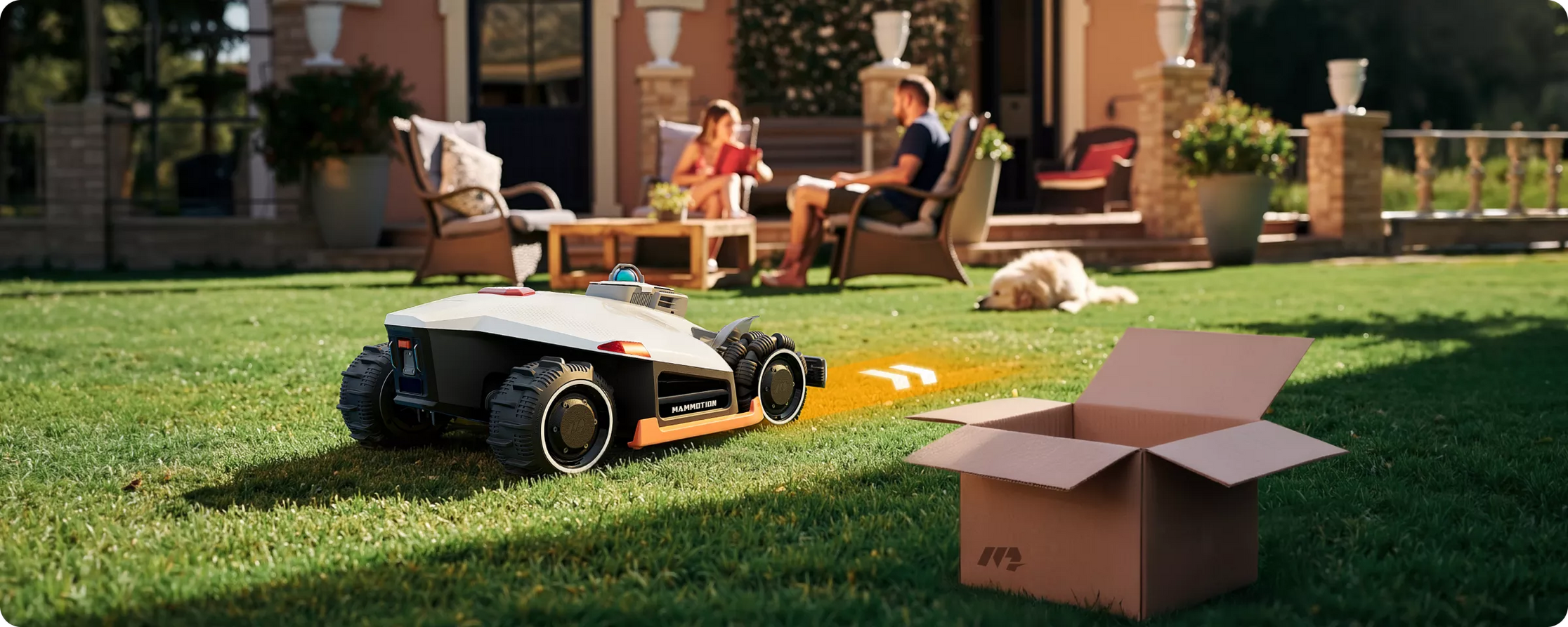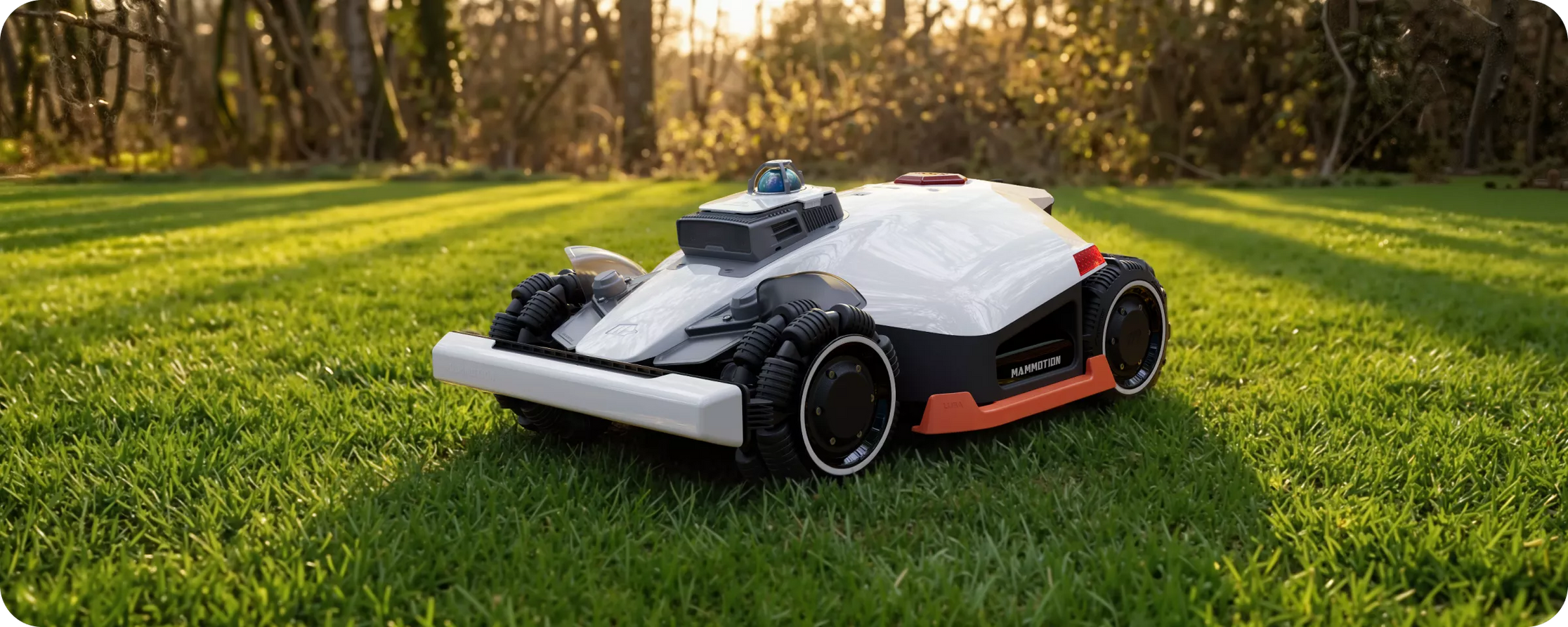



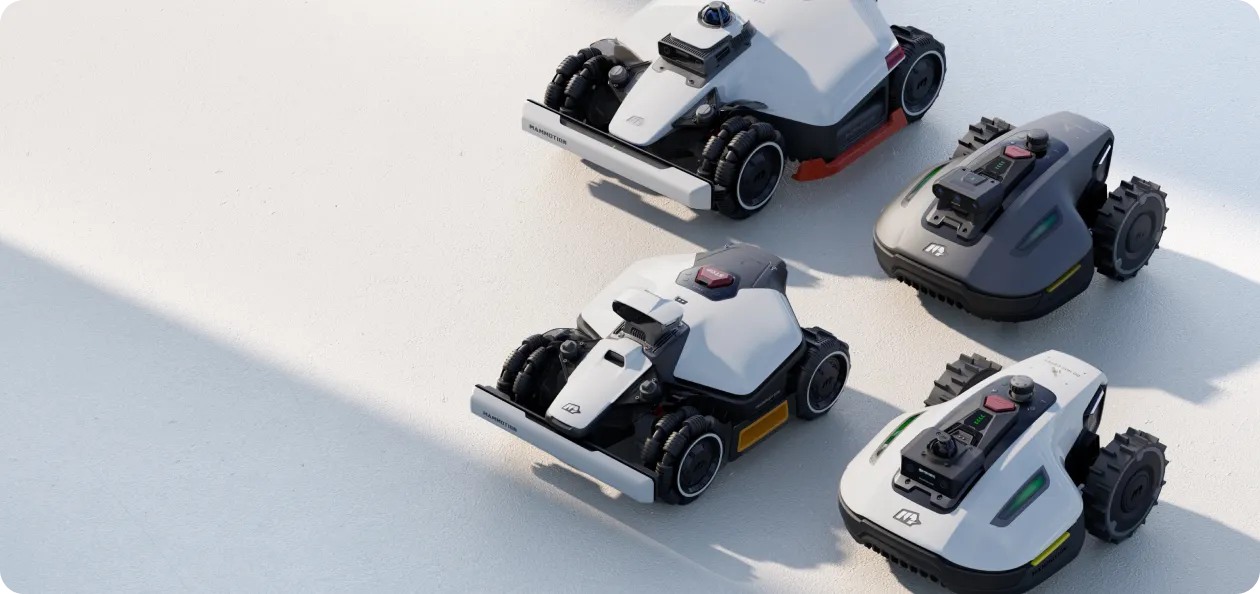
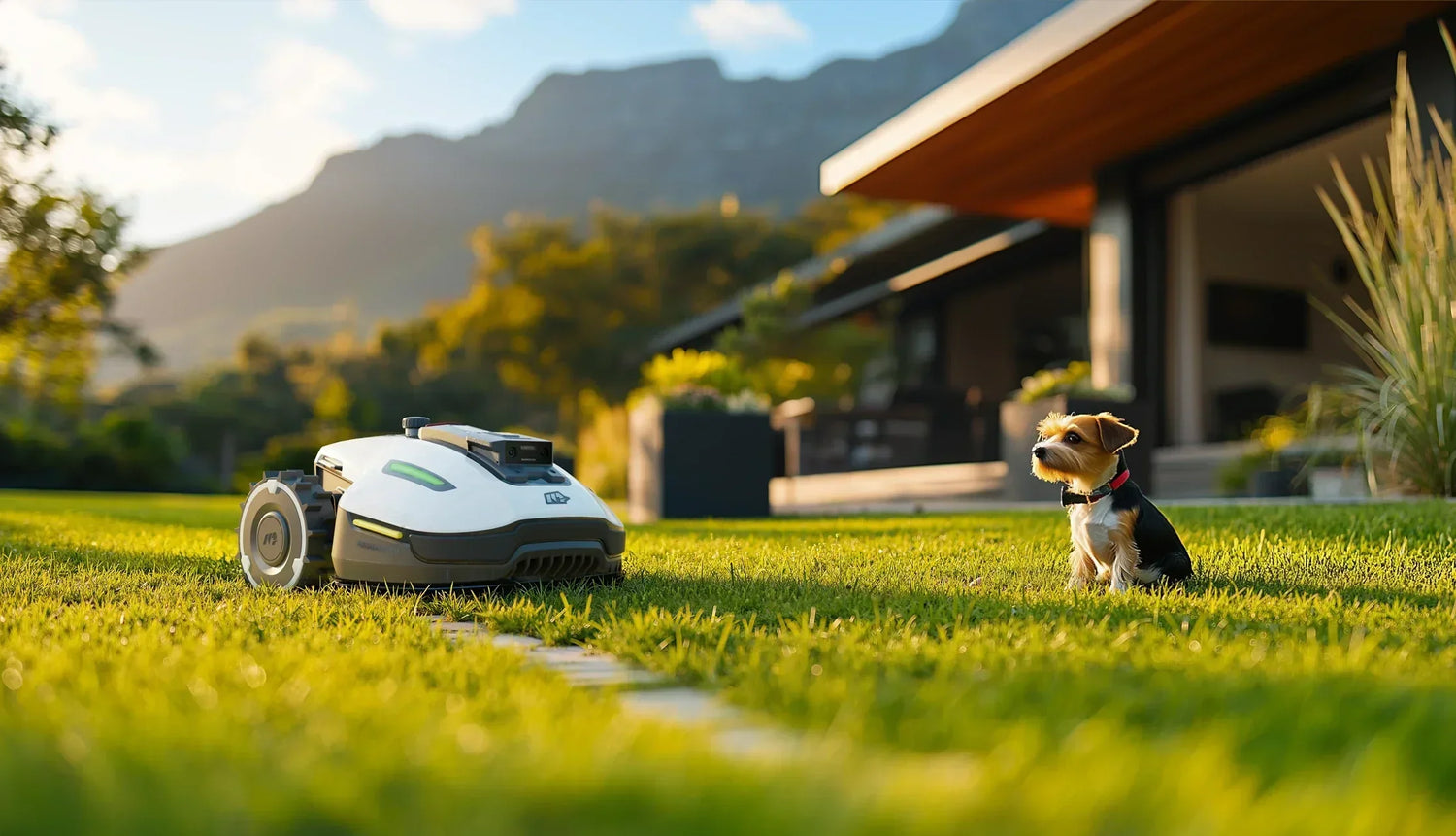
Choosing a lawn mower in the U.S. is no longer a simple decision between gas and electric. Today’s homeowners are choosing between cordless battery mowers, riding and zero-turn models, and a rapidly growing category of robotic lawn mowers. Each mower type can perform exceptionally well — or perform very poorly — depending on your lawn’s size, slope, layout, grass type, and how much hands-on work you’re willing to do.
This guide breaks down the essential different types of lawn mowers, the key features that matter, and how to match a mower to your lawn size, terrain, and budget. You’ll also learn about the latest smart and robotic mowing technologies, plus practical maintenance tips to keep your mower running smoothly.
Know Your Lawn First: The Most Important Step Before Choosing Any Mower
Before comparing mower types, prices, or smart features, you must evaluate six core characteristics of your lawn. These factors determine what will work reliably in the real world.
Before comparing mower types, prices, or smart features, you must evaluate six core characteristics of your lawn. These factors determine what will work reliably in the real world.
1. Lawn Size (Square Feet or Acres)
Lawn size immediately eliminates or qualifies entire mower categories:
- Under 5,000 sq ft: Corded electric, small cordless, or compact robotic mowers
- 5,000–15,000 sq ft: Cordless electric, self-propelled gas, or mid-range robotic mowers
- 15,000 sq ft to 1 acre: High-capacity cordless, gas, or advanced robotic mower systems
- Over 1 acre: Riding mowers, zero-turn mowers, or commercial-grade robotic mowers
Many buyers underestimate how quickly battery run-time and charging cycles become limiting factors as yard size increases — especially with robotic and cordless electric platforms.
2. Terrain & Slopes (Flat vs Sloped Properties)
Terrain is one of the most common causes of mower dissatisfaction:
- Flat lawns: Almost all mower types are viable
- Moderate slopes (10–20°): Self-propelled gas, certain high-torque cordless, and slope-rated robotic mowers
- Steep slopes (over 20–40°): Specialized self-propelled systems, AWD robotic mowers, or professional equipment only
Robotic mowers in particular have strict slope limits, and exceeding them leads to wheel slip, navigation errors, and excessive motor wear.
3. Grass Type & Density (Turf vs Mixed Weeds)
The cutting workload changes dramatically depending on what grows in your yard:
- Well-maintained turf grass (fescue, Bermuda, bluegrass): All mower types perform well
- Thick, coarse grass: Gas and high-torque electric dominate
- Mixed weeds or overgrown areas: Gas mowers perform best; robotic and small cordless models struggle
Robotic mowers are designed for frequent light trimming of established turf, not for clearing tall weeds or neglected growth.
4. Obstacles, Landscaping & Layout Complexity
Your lawn’s shape matters just as much as its size:
- Trees, garden beds, fences, pathways
- Multiple lawn zones or separated sections
- Narrow corridors or tight corners
Complex layouts:
- Reduce robotic mower efficiency
- Increase setup time
- Increase the risk of navigation failures
Traditional push and self-propelled mowers remain more adaptable for tight, irregular yards.
5. Climate & Growing Season (U.S.-Specific Reality)
Climate affects both mowing frequency and machine durability:
- Hot southern climates: Faster growth → more frequent mowing → higher duty cycles
- Wet northern climates: Slippery terrain → traction challenges → electric motor protection needs
- Long growing seasons: Favor robotic mowing for continuous maintenance
- Short growing seasons: Make large robot investments harder to justify financially
Battery degradation is also faster in extreme heat and extreme cold, which directly impacts long-term operating costs.
6. How Hands-On Do You Want to Be?
This single question filters buyers faster than any specification:
- Do you want full manual control and instant results?
- Do you want one-button convenience with some setup and supervision?
- Do you want fully autonomous day-to-day mowing with smartphone oversight?
Your tolerance for:
- Setup time
- Troubleshooting
- App management
- Seasonal maintenance
should directly influence your mower choice.
Types of Lawn Mowers: Pros, Cons, and Which One Fits Your Lawn
Choosing the right type of lawn mower is about matching your lawn’s conditions to real-world performance. Below is a clear comparison of all major mower types, including robotic models, with realistic pros, cons, and ideal use cases.
Comparison Chart of Lawn Mower Types
| Mower Type | Pros | Cons / Limitations | Best For | Not Ideal For |
|---|---|---|---|---|
| Manual Reel / Push Mower | Eco-friendly, quiet, low maintenance, inexpensive | Labor-intensive, slow for large lawns, ineffective on tall/weedy grass | Small, flat lawns; short turf | Large, sloped, or overgrown lawns |
| Corded Electric Mower | Lightweight, quiet, low maintenance, continuous power | Limited by cord length, not suitable for large yards, risk of cord snags | Small lawns (<5,000 sq ft), budget-conscious, eco-friendly | Medium/large yards, complex layouts, steep slopes |
| Battery Cordless Electric Mower | Quiet, zero emissions, lightweight, mobile | Limited runtime per charge, reduced power in dense/tall grass, battery replacement costs | Small-to-medium lawns, moderate slopes, tech-savvy homeowners | Large properties (>1 acre), dense weeds, heavy cutting |
| Gas-Powered Push / Self-Propelled | High power, handles thick/tall grass, unlimited runtime | Noisy, emissions, heavier, requires maintenance | Medium-to-large lawns, uneven terrain, weeds | Small lawns, eco-conscious buyers |
| Riding / Zero-Turn Mower | Fast, ideal for very large lawns, comfortable | Expensive, fuel & maintenance, storage space needed, rollover risk | Large lawns (>1 acre), professional-like efficiency | Small/irregular yards, budget-conscious |
| Robotic Lawn Mower | Fully autonomous, quiet, frequent light trimming improves turf health, app-controlled | Some models are limited to slope & terrain, setup time (perimeter wire/RTK), high initial cost, struggles on weeds/uneven turf, weather limitations | Small-to-large lawns with regular turf, hands-off users, tech-savvy homeowners | Very steep slopes, uneven/rocky terrain, overgrown or weedy lawns, complex yard layouts |
Key Insights of Lawn Mower Types: What's Important
1. No mower is perfect for every lawn
- Manual or push mowers are simple but labor-intensive
- Robotic mowers offer convenience but require specific conditions to perform well
2. Terrain and obstacles matter more than power
- Many first-time buyers overestimate battery or gas power as the main factor
- A small robot may fail in a narrow, obstacle-filled yard, even if battery life is sufficient
3. Robotic mowers are best for frequent, light trimming
- Ideal for homeowners who maintain consistent turf
- Not designed to handle neglected lawns, tall weeds, or rough terrain
4. Battery and runtime limitations can make or break electric options
- Always check battery capacity relative to your lawn size
- Consider slope and dense grass — both reduce effective runtime
Real-World Examples of How to Choose Mower Types
- Flat Suburban Yard, 0.3 Acre: Small cordless electric mower or entry-level robotic mower handles frequent trimming efficiently with minimal effort.
- Moderate Slopes, 0.5 Acre: Self-propelled gas mower or AWD robot lawn mower are ideal — robotic models need to choose an AWD model to struggle with slope and wheel traction.
- Large Property, 1+ Acre: Riding mower or commercial robotic system is necessary to reduce mowing time.
- Small Yard, Many Obstacles: Manual reel or compact electric push mower is often faster and less frustrating than a robotic mower trying to navigate tight corners.

The True Cost of Ownership by Mower Type (1-Year Reality)
The price on the box is only a fraction of what a lawn mower truly costs. Fuel, electricity, batteries, routine maintenance, repairs, and storage all add up over time. Understanding true ownership cost is critical when comparing traditional, electric, and robotic mowers.
Below is a realistic U.S. homeowner cost breakdown based on average residential use.
1. What “Total Cost of Ownership” Really Includes
For accurate comparison, we include:
- Initial purchase price
- Fuel or electricity
- Routine maintenance (blades, belts, oil, filters)
- Battery replacement (for cordless & robotic)
- Minor repairs & wear parts
- Winter storage & seasonal prep
It does not include major accidents, misuse, or commercial-duty workloads.
2. Average 1-Year Ownership Cost by Mower Type
| Mower Type | Avg Purchase Price | Energy/Fuel | Maintenance | Battery (if applicable) | Estimated 1-Year Total |
|---|---|---|---|---|---|
| Manual Reel | $100–$250 | $0 | $10–$25 | N/A | $110–$275 |
| Corded Electric | $150–$300 | $5–$15 | $10–$25 | N/A | $165–$340 |
| Cordless Electric | $400–$800 | $10–$25 | $20–$40 | $0 | $430–$865 |
| Gas Push / Self-Propelled | $350–$700 | $80–$150 | $80–$150 | N/A | $510–$1,000 |
| Riding / Zero-Turn | $1,500–$4,000+ | $200–$400 | $200–$500 | N/A | $1,900–$4,900+ |
| Robotic Mower | $900–$3,500+ | $15–$35 | $30–$70 | $0 | $945–$3,605+ |
Key insight: In the first year, robotic mowers often look expensive—but their operating costs are among the lowest once installed.
3. Time Cost: The Hidden Value Most Charts Ignore
Approximate time spent mowing per year:
- Manual push: 40–70 hours
- Self-propelled gas: 25–40 hours
- Riding mower: 12–20 hours
- Robotic mower: 2–5 hours of supervision/setup
For many homeowners, robotic mowers justify their cost purely by reclaiming dozens of hours of personal time each year.
Safety, Reliability & Basic Maintenance of Mower
Safety and long-term reliability should factor into your mower decision just as much as price and performance—especially for homes with children, pets, or challenging terrain.
1. Safety by Mower Type (Quick Overview)
Manual & Electric Push Mowers:
- Lowest overall risk when used properly, but still require attention to blade exposure and cord safety (for corded models).
Gas & Riding Mowers:
Highest injury risk due to:
- Powerful exposed blades
- Hot engine components
- Rollover hazards on slopes (riding/zero-turn)
Robotic Mowers:
Designed with:
- Lift and tilt sensors
- Automatic blade stop
- PIN/GPS theft protection
- Obstacle detection
However, they are not zero-risk and should be supervised during initial operation—especially around pets and children.
2. Mower Reliability in Real-World Use
- Manual & Corded Electric: Very reliable, minimal failure points
- Cordless Electric: Battery condition is the main reliability factor
- Gas: Reliable when maintained, but prone to fuel and carburetor issues over time
- Robotic: Reliability depends heavily on:
- Proper setup
- Signal strength (GPS/RTK or boundary wire condition)
- Clean sensors and wheels
Most robotic failures I see in real use are setup-related, not hardware defects.
3. Basic Maintenance of Mowers Comparison
- Manual / Electric: Blade sharpening, occasional parts
- Gas: Oil, filters, spark plugs, fuel system care, winterization
- Robotic: Blade replacement, wheel cleaning, charging contacts, firmware updates, boundary or mapping checks
Robotic mowers eliminate engine maintenance but add software and sensor upkeep.
Key Safety & Reliability Takeaway
- Riding and gas mowers demand the highest physical safety awareness.
- Robotic mowers offer the lowest hands-on risk, but require setup diligence and supervision during early use.
- Long-term reliability for any mower depends far more on maintenance habits than brand alone.
Quick Decision Guide: Find Your Best Mower in 60 Seconds
Use this fast-reference guide to narrow the best mower type for your lawn based on the most common real-world conditions.
1. Choose Based on Lawn Size
- Under 5,000 sq ft: Manual reel, corded electric, cordless electric, or compact robotic mower
- 5,000–15,000 sq ft: Cordless electric, self-propelled gas, or medium-capacity robotic mower
- 15,000 sq ft–1 acre: High-capacity cordless, gas self-propelled, or advanced RTK robotic mower
- Over 1 acre: Riding mower, zero-turn mower, or commercial-grade robotic mower
2. Choose Based on Lawn Terrain
- Flat lawns: All mower types suitable
- Moderate slopes: Self-propelled gas, high-torque cordless, slope-rated robotic mowers
- Steep slopes: Specialized self-propelled or AWD robotic solutions only
3. Choose Based on Your Priorities
- Lowest cost: Manual reel or corded electric
- Low noise & eco-friendly: Cordless electric or robotic mower
- Fastest mowing: Riding or zero-turn
- Lowest weekly effort: Robotic lawn mower
- Heavy weeds & overgrowth: Gas mower only
4. Choose Based on How Hands-On You Want to Be
- Fully manual control: Push or self-propelled gas
- Light effort: Cordless electric, self-propelled gas
- Fully automated: Robotic mower with app scheduling
Quick Reality Check
- Want zero weekly mowing labor? → Robotic mower
- Want maximum power for difficult grass? → Gas mower
- Want quiet, low-maintenance operation? → Cordless electric or robot mower
- Want to mow acres quickly? → Riding or zero-turn mower
Final Expert Summary: Choosing the Right Mower Without Regret
There is no universally “best” lawn mower—only the best match for your lawn, your budget, and your lifestyle.
If your goal is consistent lawn quality with minimal weekly labor, a modern robotic mower can be a powerful solution—when matched to the right lawn conditions. If your priority is raw cutting power, rapid cleanup, or weed control, traditional gas and riding mowers still dominate.
Frequently Asked Questions
1. What are the different types of lawnmowers?
Lawn mowers come in several types to suit different lawns and preferences:
- Push reel mowers: Manual, quiet, and eco-friendly, best for small, flat lawns.
- Gas-powered mowers: Powerful, ideal for large lawns or thick grass.
- Electric corded mowers: Lightweight, low maintenance, suitable for small to medium lawns.
- Battery-powered mowers: Cordless, portable, and easy to use for medium lawns.
- Robotic mowers: Automatic and programmable, perfect for low-maintenance mowing.
- Riding mowers / tractors: Best for very large lawns or commercial properties.
2. What is the best lawn mower to buy?
The best lawn mower depends on your lawn size, terrain, and preferences:
- Small lawns: Battery or electric mowers for quiet, easy maintenance.
- Medium lawns: Gas or higher-end battery mowers for power and versatility.
- Large lawns: Gas-powered mowers or riding mowers for efficiency.
- Smart, hands-free option: Robotic mowers for convenience and time-saving.
3. What type of lawn mowers are best?
Battery-powered and robotic mowers are excellent for quiet, low-maintenance mowing.
Gas mowers are best for thick grass, uneven terrain, or large lawns.
Push reel mowers are environmentally friendly and ideal for small, flat lawns.
Ultimately, “best” depends on lawn size, terrain, and maintenance preference.
4. What is the most common lawn mower?
The gas-powered push mower is the most common type in residential use, due to its versatility, power, and suitability for a variety of lawn sizes. Electric and battery mowers are becoming increasingly popular, especially in urban areas.
5. Which is the best lawn mower for home?
For typical home lawns:
- Medium-sized lawns: A robotic mower or electric mower is convenient and quiet.
- Large lawns: A gas-powered push mower or a small riding mower works best.
- Low-maintenance preference: A robotic mower can handle regular cutting automatically.
6. Which lawn mower has the longest lifespan?
Gas-powered mowers tend to last the longest if properly maintained, often 10–15 years.
Riding mowers can last 15+ years with regular maintenance.
Electric and battery mowers usually last 5–10 years, depending on battery life and usage.
7. Is it cheaper to repair or replace a lawn mower?
Small repairs (blade replacement, spark plugs, belts) are usually cheaper than replacing the mower.
Major engine problems or rusted decks may make replacement more cost-effective, especially for older mowers.
Consider the mower’s age: if it’s over 8–10 years old, replacement may be more economical.
8. What is the cheapest time of year to buy a lawn mower?
The best deals are usually during the off-season, late fall to winter (October - Deceber), when stores clear inventory.
Online sales around Black Friday, Cyber Monday, and spring clearance can also offer discounts.
Did you like this article? Add us as a preferred source to find us more easily on Google.