


Lawn Mowing Schedule at a Glance | By Grass Type and Season
If you're looking for a quick answer, use the tables below as a general guide. Remember that these are starting points, not fixed rules. Your lawn may grow faster or slower depending on weather, rainfall, fertilization, and local growing conditions.
Mowing Frequency by Grass Type
|
Grass Type |
Typical Mowing Frequency* |
Recommended Mowing Height |
|
Bermuda Grass |
Every 3–5 days |
1–2 inches |
|
Kentucky Bluegrass |
Every 5–7 days |
2.5–3.5 inches |
|
Tall Fescue |
Every 5–8 days |
3–4 inches |
|
Fine Fescue |
Every 7–10 days |
2.5–4 inches |
|
Zoysia Grass |
Every 5–10 days |
1–2.5 inches |
|
St. Augustine Grass |
Every 5–7 days |
2.5–4 inches |
|
Centipede Grass |
Every 7–10 days |
1.5–2 inches |
*Typical frequency during the active growing season under normal growing conditions.
Mowing Frequency by Season
|
Season |
Typical Mowing Frequency |
What to Expect |
|
Spring |
Every 4–7 days |
Rapid growth often requires more frequent mowing, especially after rainfall or fertilization. |
|
Summer |
Every 5–10 days |
Growth depends on temperature, irrigation, and grass type. Warm-season grasses remain active, while cool-season grasses may slow down during extreme heat. |
|
Fall |
Every 7–14 days |
As temperatures cool, grass growth gradually slows and mowing becomes less frequent. |
|
Winter |
Rarely or not at all |
Most lawns become dormant. Mow only if the grass continues growing in mild climates. |
Quick Tip: These schedules are only guidelines. If your grass hasn't grown enough to remove up to one-third of the blade, it doesn't need mowing yet—even if it's your "usual mowing day."
Why There's No Fixed Lawn Mowing Schedule
Many homeowners ask, "Should I mow my lawn once a week?" While weekly mowing is a common routine, it's not always the right one. Grass doesn't grow according to your calendar—it responds to its environment.
Several factors influence how quickly your lawn grows, including the grass species, temperature, rainfall, sunlight, soil moisture, and fertilization. A lawn may grow several inches in a week during a cool, rainy spring, but barely grow at all during a hot, dry summer. Following the same mowing schedule year-round can lead to unnecessary mowing or, just as often, waiting too long between cuts.
For example, a fertilized Bermuda lawn after several days of warm weather may need mowing every three to four days. The same lawn during a period of drought could go more than a week before reaching its ideal mowing height. Likewise, cool-season grasses such as Kentucky Bluegrass and Tall Fescue often grow most vigorously in spring and fall but slow significantly during the hottest weeks of summer.
Instead of asking "Has it been a week?", ask a different question:
"Has my grass grown enough to mow?"
That's why lawn care professionals don't rely on a fixed weekly schedule. Instead, they monitor grass height and follow the one-third rule, which helps determine the right time to mow regardless of the season.

Follow the One-Third Rule, Not the Calendar
If you only remember one lawn mowing rule, make it this one: never remove more than one-third of the grass blade in a single mowing. It's one of the most widely recommended practices in lawn care because it helps keep grass healthy, resilient, and actively growing.
For example, if your lawn is maintained at 3 inches, it's time to mow when it reaches about 4 to 4.5 inches. Cutting it back to 3 inches removes no more than one-third of the blade, allowing the grass to recover quickly with minimal stress.
|
Recommended Lawn Height |
Mow When Grass Reaches |
Cut Back To |
|
2 inches |
About 3 inches |
2 inches |
|
2.5 inches |
About 3.75 inches |
2.5 inches |
|
3 inches |
About 4.5 inches |
3 inches |
|
4 inches |
About 6 inches |
4 inches |
Following this rule offers several important benefits:
- Reduces stress on the grass, helping it recover faster after mowing.
- Encourages deeper root growth, making the lawn more drought-tolerant.
- Helps prevent scalping, where too much leaf tissue is removed and brown patches appear.
- Supports denser turf, allowing the grass to better compete with weeds.
The one-third rule applies to every mowing, regardless of your grass type. Whether you mow every three days or every ten days, grass height—not the calendar—should decide when it's time to mow.
What Affects How Often You Should Mow?
Most mowing schedules are influenced by grass type, season, and growing conditions—not by the day of the week. Learning to recognize these factors will help you mow at the right time and keep your lawn healthier year-round.
Here are the biggest factors that determine how often you should mow.
1. Grass Type Has the Biggest Impact
Different grass species grow at different speeds, so they naturally require different mowing schedules.
For example, Bermuda grass grows aggressively during the summer and often needs mowing every 3–5 days. In contrast, Fine Fescue grows much more slowly and may only need mowing every 7–10 days under similar conditions.
If you don't know your grass type, identifying it is one of the easiest ways to build a mowing schedule that actually works.
2. The Season Changes Everything
Grass doesn't grow at the same rate all year.
Most lawns grow fastest in spring, making it the season that typically requires the most frequent mowing. During summer, growth depends on temperature and moisture. Cool-season grasses often slow down in extreme heat, while warm-season grasses continue growing if they receive enough water.
As temperatures cool in fall, mowing gradually becomes less frequent. In many regions, mowing stops completely once the lawn enters winter dormancy.
3. Rainfall and Irrigation Speed Up Growth
Water is one of the biggest drivers of grass growth.
After several days of steady rain—or if your lawn is regularly irrigated—you may notice that your usual mowing schedule is no longer enough. On the other hand, during dry periods or water restrictions, grass growth slows significantly, meaning you can often wait longer between mowing sessions.
4. Fertilizer Can Double Your Mowing Frequency
A healthy fertilized lawn often grows much faster than an unfertilized one.
It's common to find yourself mowing every few days after applying fertilizer, especially during spring. Faster growth is usually a sign that your lawn is actively using the nutrients—not that something is wrong.
Expert Tip: If you recently fertilized your lawn, expect to mow more frequently over the next one to two weeks.
5. Sunlight and Shade Affect Growth Rates
Lawns that receive full sun typically grow faster than areas shaded by trees, fences, or buildings.
This is why one section of your yard may need mowing while another still looks perfectly fine. If your lawn has both sunny and shaded areas, adjust your mowing based on the tallest grass rather than trying to keep every section on the same schedule.
6. Mowing Height Influences Future Growth
Cutting grass shorter doesn't mean you'll mow less often.
In fact, mowing too low can stress the lawn, making it more vulnerable to heat, drought, weeds, and disease. Maintaining the recommended mowing height encourages healthier growth and makes it easier to follow the one-third rule throughout the season.
7. Lawn Health Makes a Difference
A thick, healthy lawn naturally grows more vigorously than one struggling with compacted soil, poor drainage, pests, or disease.
If your lawn suddenly slows down or speeds up without an obvious reason, it may be worth checking for underlying lawn care issues rather than simply changing your mowing schedule.
Signs It's Time to Mow Your Lawn
Even if you don't remember the recommended mowing frequency for your grass type, your lawn will usually tell you when it's ready to be cut.
Instead of asking "Has it been a week?", look for these signs before starting your mower.
Your Grass Has Grown About One-Third Taller Than Its Ideal Height
This is the most reliable indicator.
For example, if you normally maintain your lawn at 3 inches, it's time to mow once it reaches about 4 to 4.5 inches. Following this guideline naturally keeps you within the one-third rule and helps avoid unnecessary stress on the grass.
If you're unsure whether to mow, measuring the grass height is often more accurate than relying on the calendar.
The Lawn Looks Uneven
A lawn doesn't have to look overgrown before it needs mowing.
If some areas begin standing noticeably taller than others, the lawn starts losing its clean, uniform appearance. This uneven growth often appears after periods of warm weather, rainfall, or rapid spring growth.
Mowing at this stage is usually easier on the grass than waiting until the entire lawn becomes overgrown.
Seed Heads Start Appearing
Many grasses produce seed heads when they're left uncut for too long.
Although this doesn't necessarily mean your lawn is unhealthy, it's often a sign that the grass has moved beyond its ideal mowing height. Regular mowing helps maintain a neater appearance and encourages the lawn to focus more energy on healthy leaf growth rather than seed production.
Walk across your lawn.
If the grass remains flattened and your footprints stay visible for several seconds before springing back, it's often a sign that the blades have become too long.
This simple test works especially well for cool-season grasses.
The Grass Begins Folding Over
Healthy grass blades should stand upright.
When they become excessively long, they may start bending, leaning, or folding over under their own weight. Besides making the lawn look untidy, this can reduce airflow and increase the risk of certain lawn diseases in humid conditions.
A Quick "Should I Mow Today?" Checklist
Before you start mowing, ask yourself these questions:
|
Question |
Yes |
No |
|
Has the grass grown about one-third taller than its normal height? |
✅ Mow |
⏳ Wait |
|
Is the lawn growing actively this week? |
✅ Check other signs |
⏳ Wait |
|
Is the grass dry enough to mow safely? |
✅ Continue |
❌ Wait until it dries |
|
Are your mower blades sharp? |
✅ Ready to mow |
❌ Sharpen first |
You don't need every answer to be "Yes." However, if your grass has reached the recommended height and conditions are suitable, it's probably time to mow.
What Happens If You Mow Too Often—or Wait Too Long?
Finding the right mowing frequency is about balance. Mowing too often isn't usually as harmful as mowing too infrequently, but both extremes can affect the health and appearance of your lawn.
The comparison below shows what typically happens in each situation.
|
Mowing Too Often |
Waiting Too Long to Mow |
|
Wastes time without improving lawn health |
Often requires removing more than one-third of the grass blade |
|
Grass may not have grown enough to benefit from mowing |
Increases the risk of scalping and brown patches |
|
Can place unnecessary wear on mower blades and batteries |
Creates excess grass clippings that may smother the lawn if not mulched properly |
|
Usually causes little damage if the correct mowing height is maintained |
Stresses the grass and slows recovery after mowing |
|
May be necessary during periods of rapid growth |
Makes it easier for weeds to spread in thin or stressed turf |
Mowing a little more often is rarely a problem, but waiting too long and cutting too much at once can seriously stress your lawn. When in doubt, make gradual adjustments instead of trying to catch up in a single mowing.
How to Build the Right Mowing Schedule for Your Lawn
The easiest way to create a mowing schedule is to use a general guideline as your starting point and then adjust it based on how your lawn actually grows.
A Simple Mowing Routine Most Homeowners Can Follow
|
Step |
What to Do |
|
1. Know your grass type |
Learn its recommended mowing height and typical growth pattern. |
|
2. Check your lawn every few days |
Look for growth instead of following a fixed calendar. |
|
3. Follow the one-third rule |
Mow when the grass is about one-third taller than its ideal height. |
|
4. Adjust as conditions change |
Rain, heat, fertilizer, and season all affect mowing frequency. |
Following this simple routine helps eliminate guesswork while keeping your lawn healthier throughout the growing season.
Can a Robotic Lawn Mower Help Maintain the Right Mowing Schedule?
A robotic lawn mower doesn't change how grass grows, but it does make it much easier to maintain the consistent mowing schedule that healthy lawns need.
Instead of waiting until the grass becomes noticeably long, robotic mowers trim small amounts of grass on a regular schedule. By cutting a little at a time, they naturally follow the one-third rule and help maintain a more consistent lawn height throughout the growing season.

Benefits of Frequent, Light Mowing
Compared with traditional once-a-week mowing, frequent light mowing offers several advantages:
|
Traditional Mowing |
Robotic Mowing |
|
Removes a larger amount of grass in one session |
Trims only a small amount during each mowing session |
|
Grass height fluctuates between mowings |
Maintains a more consistent lawn height |
|
More likely to break the one-third rule if mowing is delayed |
Naturally supports the one-third rule with regular maintenance |
|
Requires homeowners to find time each week |
Runs automatically on a schedule you set |
This consistent approach not only improves the lawn's appearance but can also produce finer grass clippings that break down more quickly, returning nutrients to the soil without leaving heavy clumps behind.
Choosing the Right Robotic Mower for Your Lawn
If you're considering a robotic mower, choose one based on your lawn's size and layout rather than mowing frequency alone.
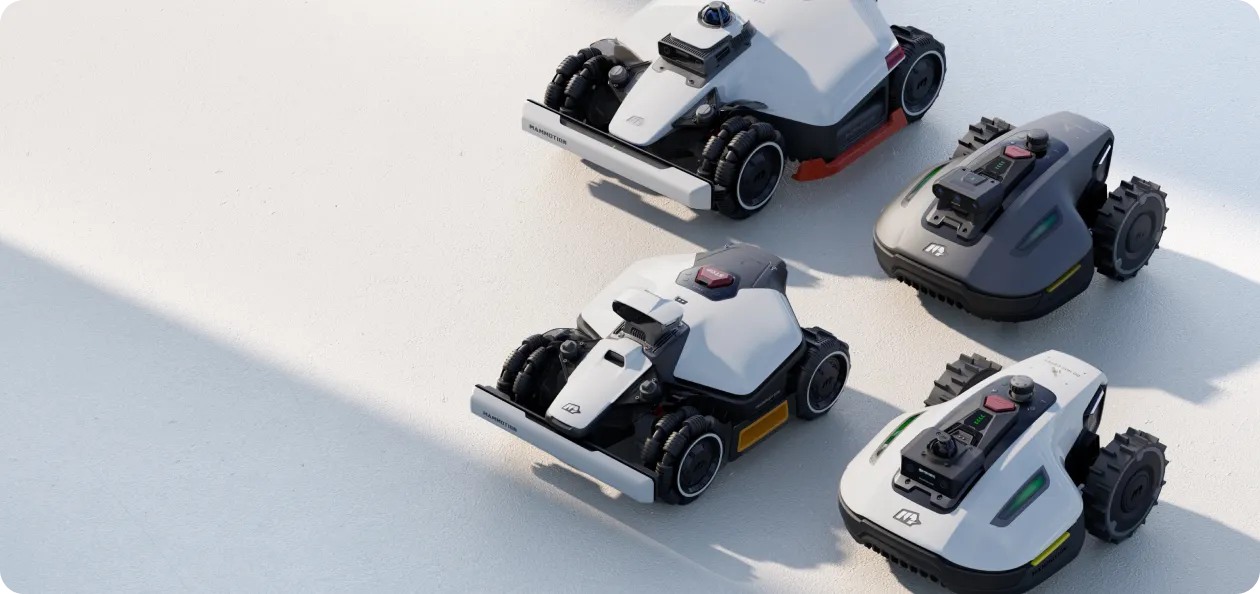
- For small to medium-sized lawns, the Mammotion YUKA mini 2 1000H is designed to handle regular maintenance mowing with minimal homeowner involvement.
- For larger or more complex properties with multiple mowing zones, slopes, or challenging layouts, the Mammotion LUBA 3 AWD offers greater coverage and advanced navigation for consistent lawn care.
The goal isn't to mow more often—it's to maintain your lawn at the right height with less effort.
FAQ
1. Is mowing once a week enough?
For many lawns, mowing once a week during the growing season is a good starting point. However, there isn't a universal schedule that works for every lawn. Fast-growing grasses like Bermuda may need mowing every 3–5 days, while slower-growing grasses or lawns experiencing drought may only need mowing every 7–10 days. The best indicator is always your lawn's growth, not the calendar.
2. Can you mow your lawn twice a week?
Yes. During periods of rapid growth—such as after heavy rainfall or fertilization—mowing twice a week may actually be the healthiest option. Removing small amounts of grass more frequently is better than waiting too long and cutting off too much at once.
3. Should you mow before or after it rains?
Whenever possible, mow before heavy rain if your lawn is already due for mowing. If the grass is wet, wait until it dries before mowing. Wet grass is more difficult to cut evenly, can clump together, and may increase the risk of damaging your lawn or mower.
4. Can you mow every day?
Technically, yes—but it's usually unnecessary for traditional lawn mowers because most lawns don't grow enough in 24 hours. Robotic lawn mowers are different, as they trim only a small amount of grass during each mowing session and are designed for frequent maintenance.
5. What should I do if my grass gets too long?
Don't try to cut it back to its normal height in a single mowing. Instead, raise your mower deck and gradually reduce the height over two or three mowing sessions while following the one-third rule. This helps reduce stress and allows the lawn to recover more easily.
6. Does mowing more often make grass grow faster?
No. Grass growth is determined by factors such as species, sunlight, temperature, water, and nutrients—not by how often you mow. Frequent mowing simply helps maintain a healthier appearance by preventing the grass from becoming overgrown.
7. Do robotic lawn mowers need to mow every day?
Not necessarily. Most robotic lawn mowers operate several times per week or on customized schedules based on your lawn's growth. The goal is to trim small amounts regularly so the grass remains at a consistent height without requiring large, stressful cuts.
Conclusion
There isn't a perfect lawn mowing schedule that works for every yard. The healthiest lawns are maintained by observing how the grass grows, not by mowing on the same day every week.
If you remember just three things from this guide, make them these:
- Let grass height—not the calendar—determine when you mow.
- Follow the one-third rule to avoid stressing your lawn.
- Adjust your mowing frequency as the seasons and growing conditions change.
By paying attention to your lawn instead of following a fixed routine, you'll encourage stronger roots, healthier growth, and a more attractive lawn throughout the year.
If maintaining the right mowing schedule feels difficult, a robotic lawn mower can help by keeping your grass at a consistent height with regular, light trimming—making it easier to enjoy a healthy lawn with less ongoing effort.
Did you like this article? Add us as a preferred source to find us more easily on Google.