





If you want to know how to get rid of weeds naturally, the best method depends on the type of weed, where it grows, and how established it is. Hand-pulling, shallow hoeing, mulching, and targeted treatments can all help control weeds, but no single method works equally well in every situation.
Some methods remove weeds at the roots, while others mainly damage the leaves and stems, allowing certain weeds to regrow. This guide compares natural weed control methods, explains what homemade weed killers can and cannot do, and shares practical ways to manage weeds in lawns and garden beds and help prevent them from coming back.
What Is the Best Way to Get Rid of Weeds Naturally?
The best natural weed control method depends on the weed’s size, root system, and location. Hand-pulling and digging work well for many small weeds, while mulch helps suppress new growth in garden beds. For weeds growing in pavement cracks, targeted treatments such as boiling water may be useful when desirable plants are not nearby.
|
Natural Weed Control Method |
Best Use |
Effect on Roots or Regrowth |
Main Limitation |
|
Hand-Pulling or Digging |
Isolated weeds in lawns and garden beds |
Can remove roots when the plant is carefully extracted |
Deep or spreading roots may regrow if parts remain |
|
Shallow Hoeing |
Small weeds in open garden beds |
Cuts or removes young weeds near the soil surface |
Less effective against established perennial weeds |
|
Mulch and Ground Covers |
Preventing weeds in garden beds and around established plants |
Suppresses new growth rather than removing established roots |
Some weeds can grow through gaps or existing mulch |
|
Boiling Water |
Young weeds in pavement cracks and other isolated areas |
Usually damages only the plant tissue it reaches |
Can injure nearby plants and may not kill deep roots |
|
Vinegar-Based or Other Contact Weed Killers |
Small weeds in areas where nearby plants can be protected |
Usually damages exposed leaves and stems rather than underground roots |
Non-selective; established weeds may regrow |
|
Solarization or Tarping |
Preparing a garden bed before planting |
Can suppress many weeds and some weed seeds under suitable conditions |
Takes time and is less reliable against some deep-rooted perennials |
For lasting weed control, combine removal with prevention. Remove weeds while they are small, prevent them from producing seeds, and cover bare soil where practical. Check the treated area regularly and repeat the appropriate method if weeds return.
Natural Weed Control Methods That Work
Natural weed control works best when you choose a method suited to the weed and the area where it grows. The following methods can help manage weeds without relying on conventional synthetic herbicides, although some require repeated treatment.
Hand-Pulling and Digging
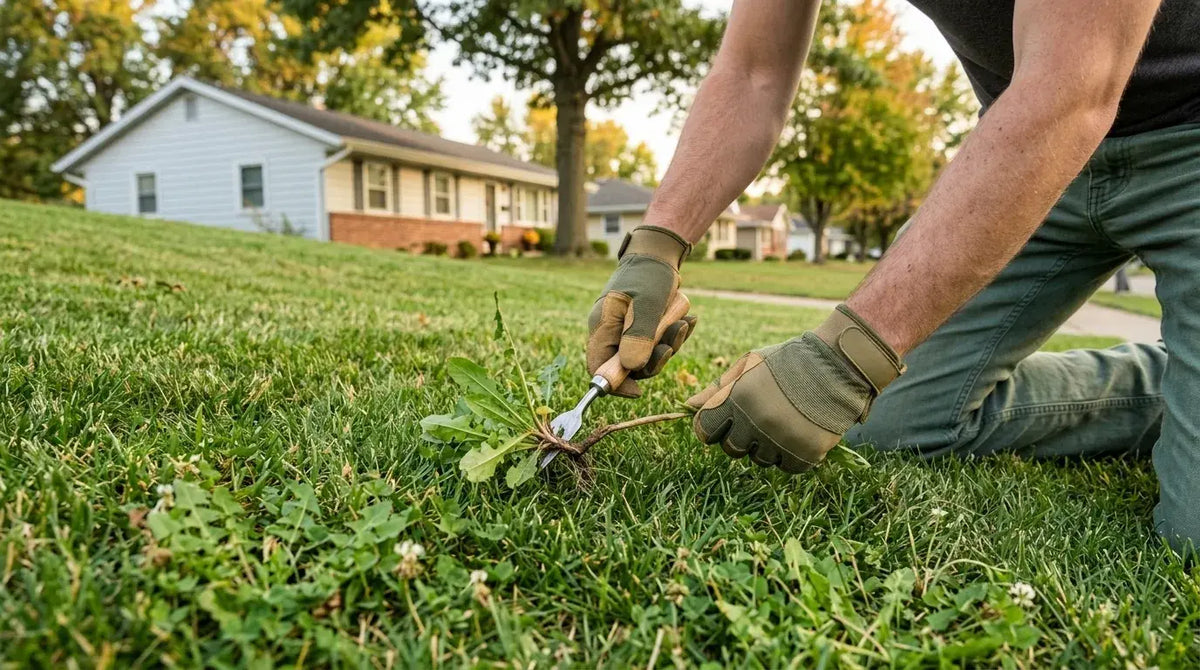
Hand-pulling works well for isolated weeds, especially young plants with shallow roots. After rain or watering, loosen the soil and pull slowly to remove as much of the root system as possible. For deep-rooted weeds, use a dandelion weeder or narrow garden tool to reach below the crown.
Check the area for regrowth and remove weeds before they produce seeds. Avoid disturbing the soil more than necessary, as digging can bring buried weed seeds to the surface.
Hoeing and Shallow Cultivation
Hoeing is useful for controlling small annual weeds in open garden beds. Use a sharp hoe to cut weeds just below the soil surface, ideally when the soil is relatively dry and the weeds are small.
Keep cultivation shallow to avoid damaging nearby plant roots or bringing more weed seeds to the surface. Deep-rooted perennial weeds often need a different approach, such as careful digging.
Mulch and Ground Covers
Mulch helps prevent weeds by blocking sunlight from reaching the soil. Remove existing weeds first, then apply approximately 2 to 4 inches of suitable organic mulch, such as wood chips or shredded bark, around established plants. Keep mulch away from plant stems and tree trunks.
Check the layer periodically and replenish it as it breaks down or shifts. Ground-cover plants can provide longer-term suppression by shading bare soil once they become established.
Cardboard and Sheet Mulching
Cardboard or heavy paper can help suppress weeds when establishing a new garden bed or covering a larger patch of unwanted vegetation. First, remove or cut back existing growth, then overlap the sheets to minimize gaps where weeds could emerge.
Cover the material with mulch to hold it in place and improve the appearance of the bed. Sheet mulching can suppress many annual weeds and some perennial weeds, but persistent plants may still grow through gaps or return around the edges. Choose materials without unwanted coatings or other contaminants, particularly in food-growing areas.
Boiling Water for Weeds in Pavement Cracks
Boiling water can kill small weeds growing in pavement cracks, driveway joints, and other isolated spots where desirable plants are not nearby. Pour it carefully and directly onto the foliage and base of the weed, avoiding splashes.
Because hot water can injure people and damage any vegetation it contacts, it is generally unsuitable for lawns or crowded garden beds. Check the area after 7 to 10 days and retreat if necessary.
Vinegar and Other Contact Weed Killers
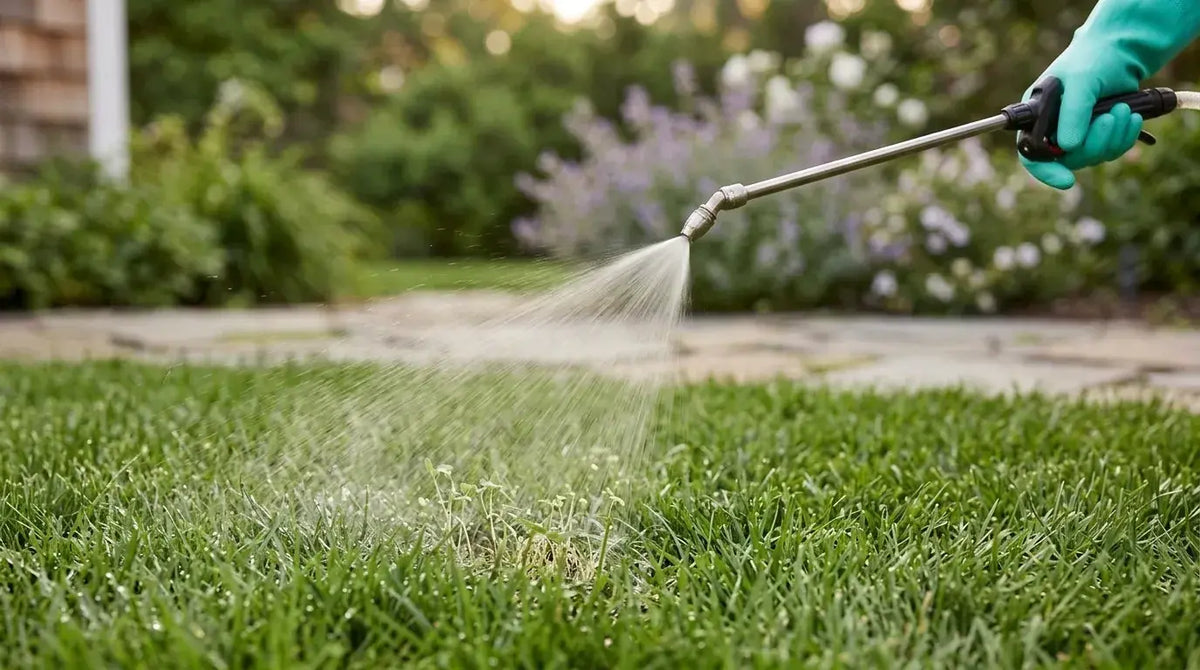
Vinegar-based treatments and other contact weed killers can damage exposed plant tissue. They are generally more useful against young weeds than mature, established plants.
These treatments are non-selective, so spray drift or runoff can damage nearby flowers, vegetables, and grass. Use only products labeled for the intended location and follow their directions. Stronger horticultural vinegar can cause serious skin and eye injuries, so it should not be treated as a harmless household alternative.
Solarization and Tarping
Solarization uses clear plastic to trap the sun's heat and suppress weeds and some soilborne pests. It works best in hot, sunny weather when the soil receives direct sunlight. Prepare the area, moisten the soil, and cover it tightly with clear plastic for approximately 4 to 6 weeks during the hottest part of the season.
Opaque tarps can also suppress weeds by blocking light, but they work differently from solarization. Both approaches require time and are most useful when preparing an area before planting. Results vary with the weed species, soil conditions, climate, and treatment duration.
Mowing and Repeated Cutting
Mowing or cutting back weeds can limit their spread, particularly when done before flowering and seed production. It is useful in larger areas where pulling every plant would be impractical.
Repeated cutting may weaken some weeds over time, but it rarely eliminates established perennial weeds on its own. Combine it with appropriate removal or soil-covering methods, and clean tools when needed to avoid spreading seeds or plant fragments.
Homemade Weed Killer Recipes: What Actually Works?
Homemade weed killers are often promoted as inexpensive alternatives to commercial products, but their effectiveness depends on the ingredients, the weed species, and the plant’s stage of growth. Some mixtures damage exposed foliage without reliably killing the roots, while others can harm desirable plants or affect garden soil. Before trying a homemade treatment, consider both its likely benefits and its risks.
Does Vinegar Kill Weeds?
Vinegar can damage the leaves and stems it contacts, especially on young, actively growing weeds. However, ordinary household vinegar is not a reliable solution for established perennial weeds because it may not reach or kill their roots.
Stronger horticultural vinegar contains more acetic acid and can cause serious skin and eye injuries. Vinegar is also non-selective, meaning it can damage grass, flowers, and vegetables if they are exposed. Avoid assuming that a stronger concentration is automatically a safer or more effective choice for every situation.
Does Salt Kill Weeds?
Salt can damage weeds by disrupting their ability to take up water, but it can also harm desirable plants and alter soil conditions. Sodium can accumulate in soil, making it harder for some plants to absorb water and grow normally.
For this reason, salt is generally a poor choice for routine weed control in garden beds, lawns, or areas intended for future planting. Pulling weeds or using mulch is usually a more practical approach when you want to preserve the soil for other plants.
Does Boiling Water Kill Weeds?
Boiling water can kill or severely damage plant tissue that it contacts. It may be useful for small weeds growing in isolated pavement cracks, where nearby desirable plants can be protected.
However, hot water may not kill deep roots or established perennial weeds. It can also injure nearby vegetation and cause serious burns. Use it only where appropriate, apply it carefully, and do not treat it as a reliable whole-garden weed control method.
Do Baking Soda and Dish Soap Work as Weed Killers?
Baking soda and dish soap are often recommended in homemade weed killer recipes, but neither should be treated as a universally effective weed control solution. Baking soda can expose nearby plants and soil to excess sodium, while dish soaps may damage plant surfaces and are not necessarily formulated for use on vegetation.
Adding more ingredients to a homemade mixture does not guarantee better results. Avoid applying untested combinations around desirable plants, edible crops, or sensitive soil areas.
Why Homemade Weed Killers Often Fail
Many homemade or DIY weed killers work mainly through contact with exposed leaves and stems. This can make small weeds look damaged or dead without eliminating the roots, allowing some plants to regrow.
Other common problems include inconsistent results, accidental damage to desirable plants, and risks from concentrated ingredients. Instead of relying on a homemade mixture for every weed, choose a method suited to the location and weed type. Hand-pulling, digging, mulching, and repeated cutting may provide more practical control while reducing unnecessary chemical or soil-related risks.
Looking for weed killers? See our guide, Best Weed Killer for Lawns.
How to Get Rid of Weeds in Grass Naturally
To get rid of weeds in grass naturally, identify the weed, remove it without damaging the surrounding turf, and improve the conditions that help grass grow. Hand-pulling can work well for small infestations, while consistent lawn care helps reduce the chances of weeds returning.
Identify the Weeds and Fix the Underlying Problem
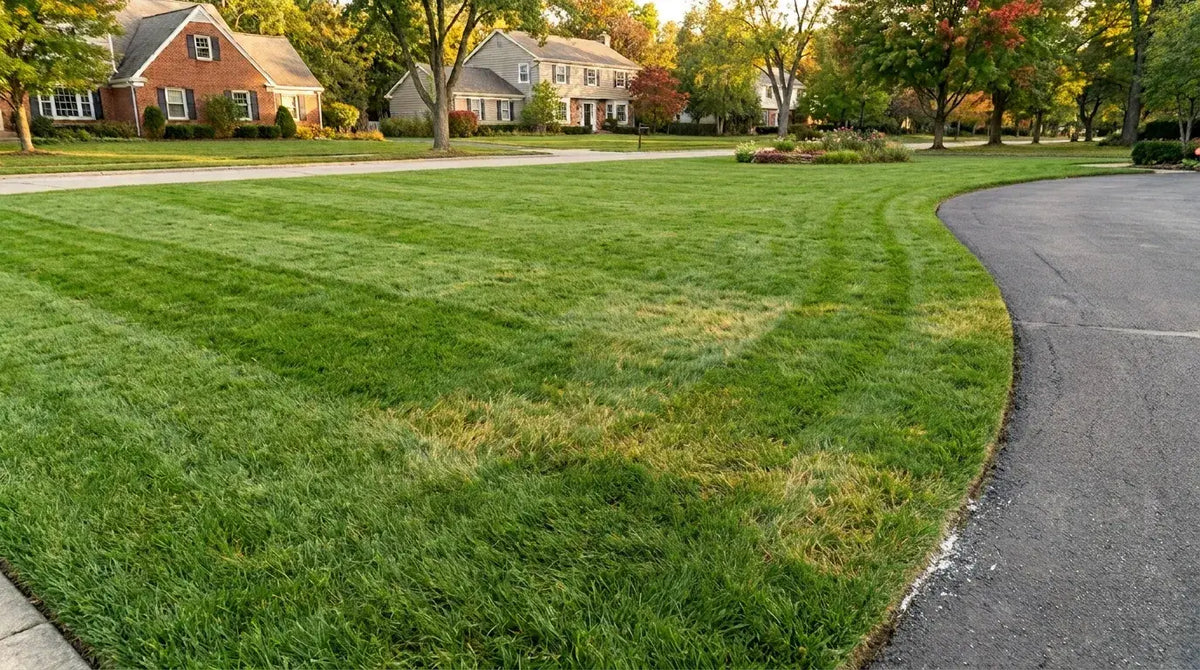
Start by identifying the weed and understanding why it is growing in your lawn. Broadleaf weeds, grassy weeds, and sedges can require different control approaches. Also look for conditions that weaken turf, such as bare patches, compacted soil, excessive shade, or unsuitable watering practices.
Identifying the weed helps you choose an appropriate removal method. Improving the growing conditions can also make it harder for new weeds to establish.
Remove Weeds Without Damaging the Grass
For a small number of weeds, hand-pulling or using a narrow weeding tool is often the most practical natural option. The soil should be moist enough to loosen the roots, but avoid digging up large areas of healthy grass.
- Pull weeds while they are young and before they produce seeds.
- Loosen the soil around the roots to remove as much of the plant as possible.
- Fill small holes left by removal to reduce exposed soil.
- Avoid applying vinegar, salt, or boiling water directly to weeds growing in grass, as these treatments can damage the surrounding turf.
Some grassy weeds resemble lawn grasses and can be difficult to remove selectively. Identify them before choosing a treatment rather than pulling up large sections of turf unnecessarily.
Keep Your Lawn Dense and Healthy
A dense lawn leaves less space and light for weeds to establish. Mow at a height suitable for your grass species, avoid cutting the lawn too short, and water deeply when needed rather than applying frequent, light watering.
Fertilize according to the lawn’s needs instead of applying extra nutrients without a clear reason. If weeds continue to spread, consider whether the grass is suited to the site’s sunlight, soil, and climate. A soil test can help identify nutrient or pH problems that may be limiting turf growth.
Repair Bare Patches to Prevent New Weeds
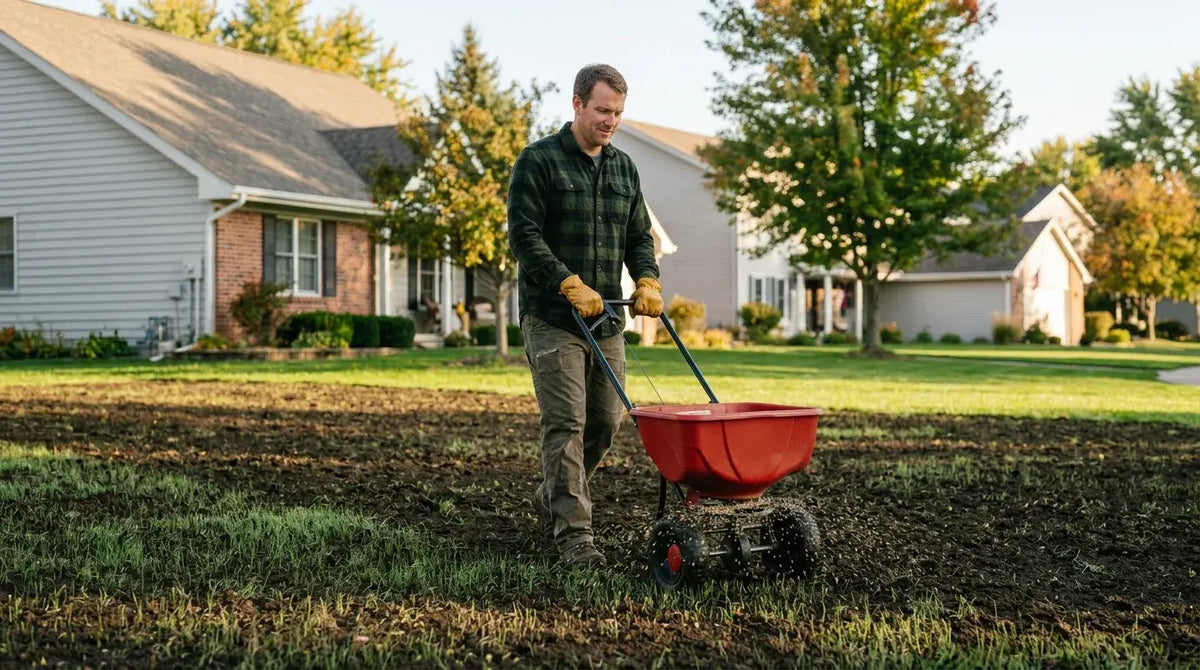
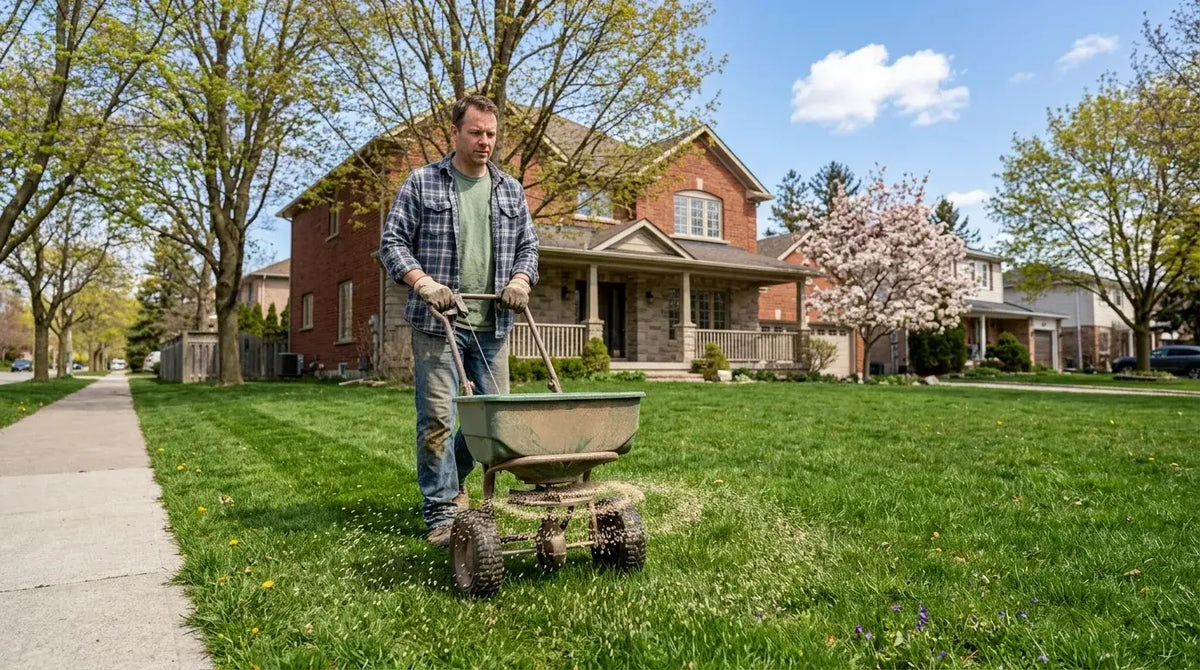
Bare or thin areas give weeds an opportunity to establish. Remove existing weeds, loosen compacted soil where appropriate, and reseed or repair the area with grass suited to your local conditions.
Follow the seed supplier’s guidance on planting time, seeding rate, and watering. Keep the soil consistently moist during germination without leaving it waterlogged, and limit foot traffic until the new grass is established.
Repairing bare patches and maintaining healthy turf work together: removing existing weeds addresses the immediate problem, while improving grass coverage helps reduce future weed growth.
How to Prevent Weeds From Coming Back
Preventing weeds from returning starts with reducing seed production, limiting exposed soil, and checking for new growth regularly. No method prevents every weed, but a consistent routine can make long-term control easier.
Remove Weeds Before They Set Seed
Remove weeds while they are small and before they flower or produce mature seeds. For weeds that spread through underground roots or stems, remove as much of the plant as practical and monitor the area for new growth.
Clean soil and plant debris from gardening tools when needed, especially after working in areas with mature weeds. This helps reduce the risk of moving seeds or plant fragments to other parts of the garden.
Keep Soil Covered
Bare soil provides space and light for new weeds to establish. In garden beds, use suitable mulch or established ground-cover plants to reduce exposed areas. Check mulch periodically and replenish it as it decomposes or becomes displaced.
Mulch suppresses many weeds but does not guarantee complete control, particularly for persistent perennial weeds. Remove existing weeds before applying a new layer for better results.
Maintain Dense Turf and Water Strategically
In lawns, healthy, dense grass helps limit the space available for weeds. Mow at a suitable height for your grass type, water according to the lawn’s needs, and address bare or weak areas before weeds become established.
Avoid routine watering or fertilizing without considering soil conditions, weather, and grass requirements. Good lawn care supports turf growth, but it will not eliminate every weed on its own.
Follow a Simple Weed-Prevention Routine
Consistency is more effective than waiting until weeds become widespread. Use this simple routine to keep problems manageable:
- Weekly: Inspect beds, lawn edges, and pavement cracks; remove young weeds.
- After treatment: Check for regrowth, especially from perennial weeds.
- Seasonally: Refresh mulch and repair bare lawn patches when conditions are suitable.
- Before planting: Remove existing weeds and use clean planting materials.
Regular monitoring, early removal, and good ground cover will not prevent every weed, but they can reduce recurring infestations and make future maintenance easier.
Are Natural Weed Killers Safe?
Natural weed killers are not automatically safe for people, pets, desirable plants, or the environment. Their risks depend on the ingredients, concentration, application method, and where they are used. Even homemade mixtures can cause injuries or unintended damage.
Natural Ingredients Can Still Cause Damage
Natural or homemade treatments can still injure people, damage desirable plants, or affect soil conditions. Concentrated vinegar can cause serious skin and eye injuries, salt can harm plants and soil, and boiling water can cause burns.
Contact weed killers may also harm any plant they reach, including lawn grass, flowers, and vegetables. Avoid applying treatments near desirable plants unless you can protect them from direct contact or drift.
Use Products According to Their Labels
If you choose a commercial weed control product, read and follow its label directions, including any instructions about protective equipment, application sites, storage, and disposal. Keep products in their original, labeled containers and out of reach of children and pets.
Do not assume that a product labeled “natural,” “organic,” or “homemade” is harmless. When practical, consider non-chemical methods such as hand-pulling, digging, or mulching to reduce exposure and avoid unnecessary damage.
Frequently Asked Questions
What Is the Best Natural Way to Kill Weeds?
The best method depends on the weed and where it grows. Hand-pulling works well for isolated weeds, mulch helps suppress weeds in garden beds, and repeated cutting can limit seed production. Choose a method suited to the location and monitor the area for regrowth.
Does Vinegar Kill Weeds Permanently?
Usually not. Vinegar can damage exposed leaves and stems, especially on young weeds, but it may not kill the roots of established perennial weeds. It can also damage nearby grass and desirable plants.
What Kills Weeds but Not Grass?
Hand-pulling individual weeds is often the most practical natural option for a lawn. Avoid applying vinegar, salt, or boiling water directly to weeds in grass because these treatments can damage the turf. Identify the weed first, especially if it resembles the grass growing in your lawn.
How Do You Stop Weeds From Coming Back?
Remove weeds before they produce seeds, cover bare soil in garden beds, and maintain dense, healthy turf in lawns. Check treated areas regularly and deal with new weeds while they are small.
Final thoughts: Natural weed control works best when you match the method to the weed and its location. Remove weeds early, keep soil covered where appropriate, and maintain healthy turf to reduce regrowth—while remembering that homemade treatments are not always safe or permanent solutions.
Did you like this article? Add us as a preferred source to find us more easily on Google.