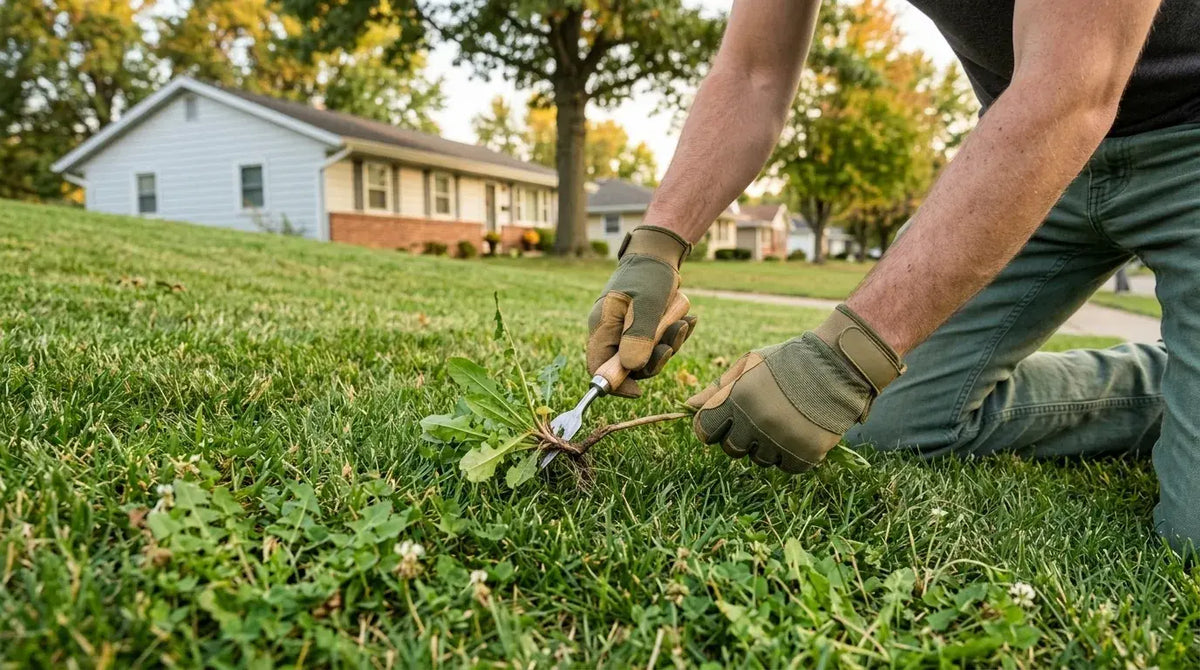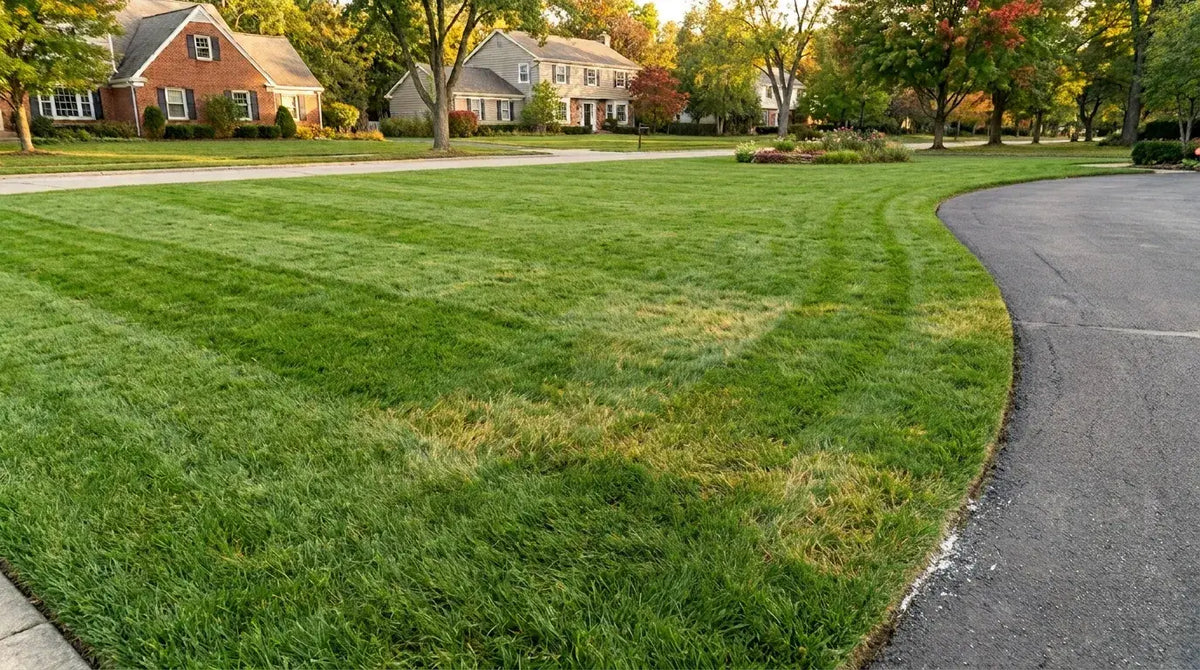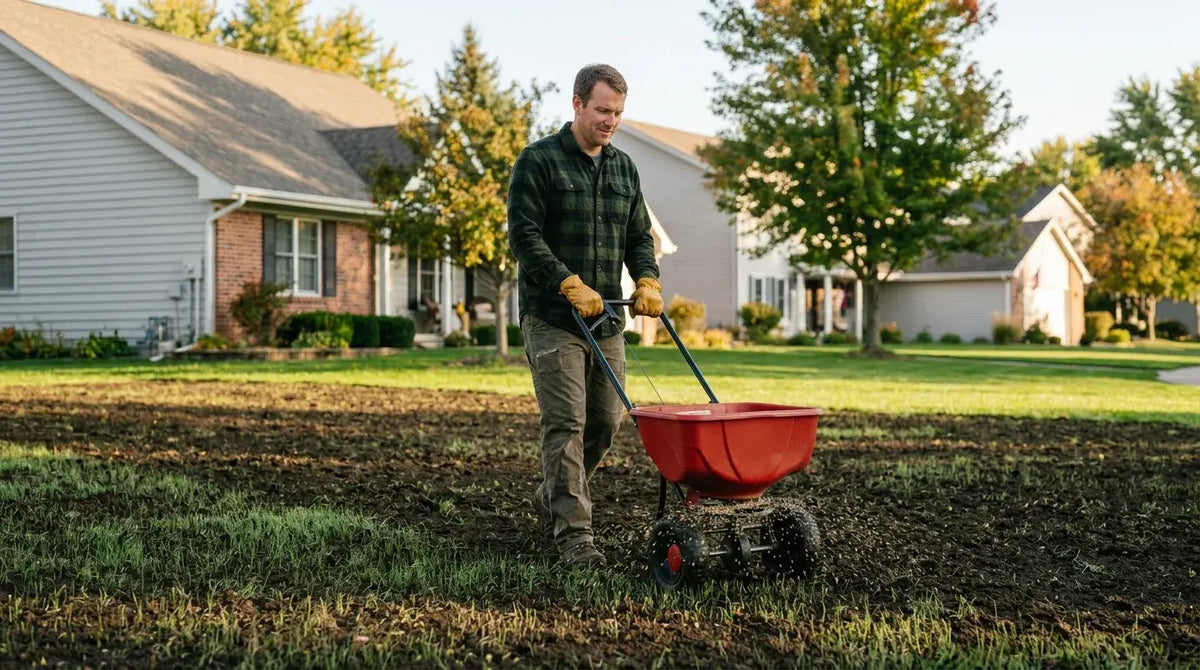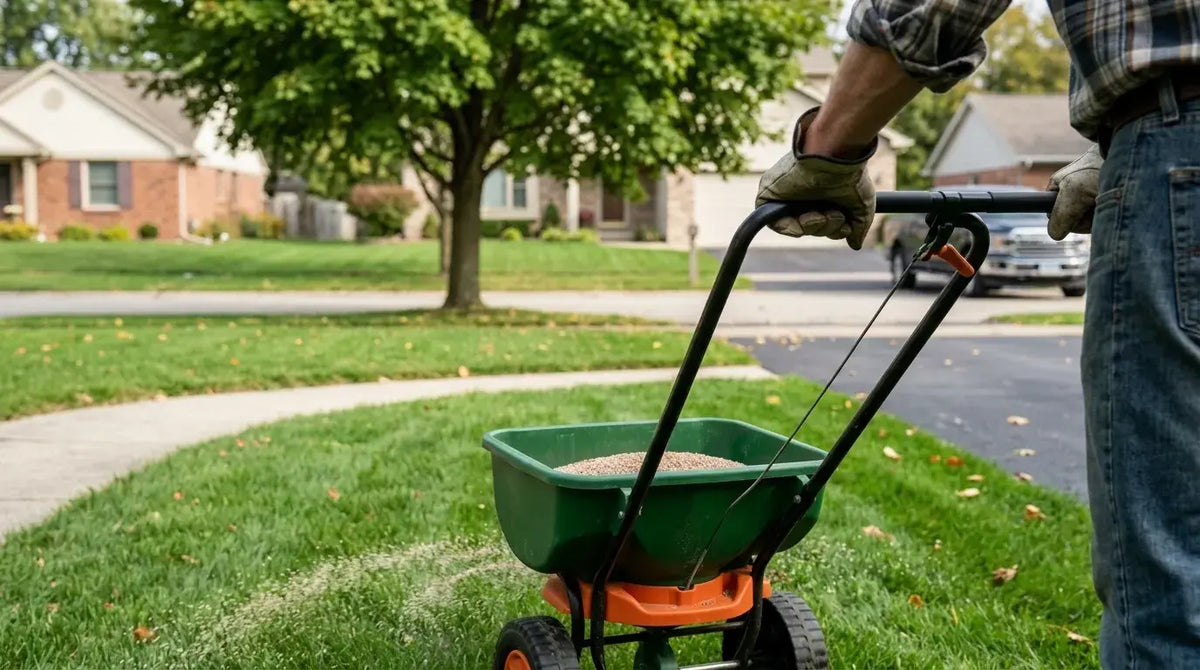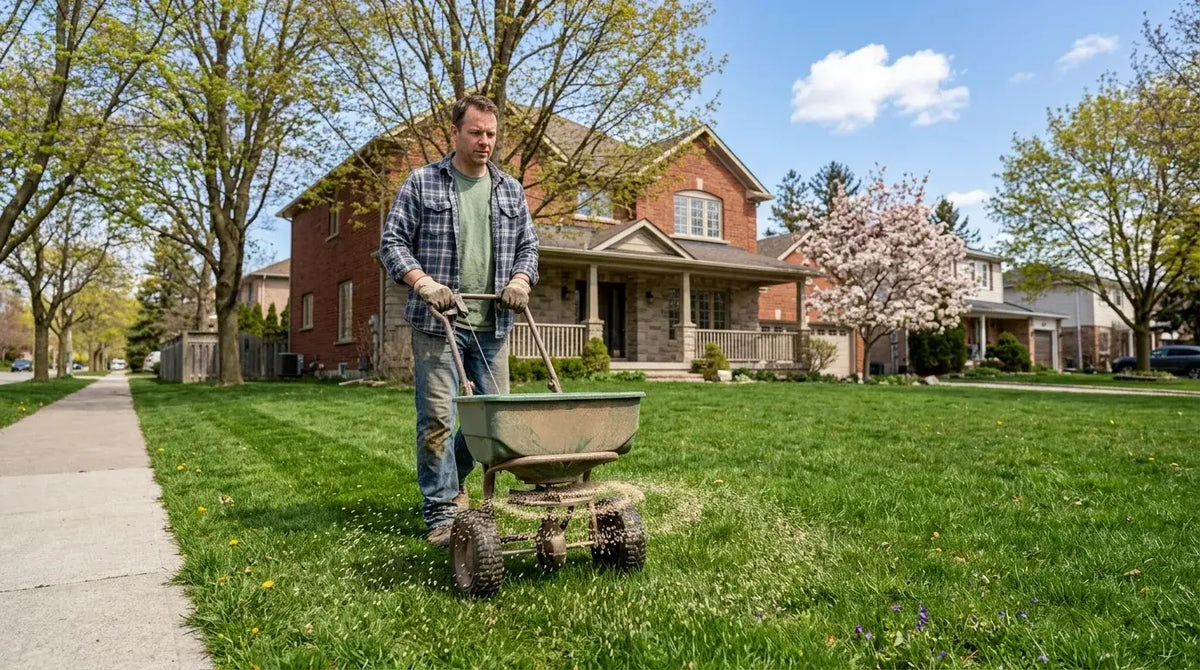







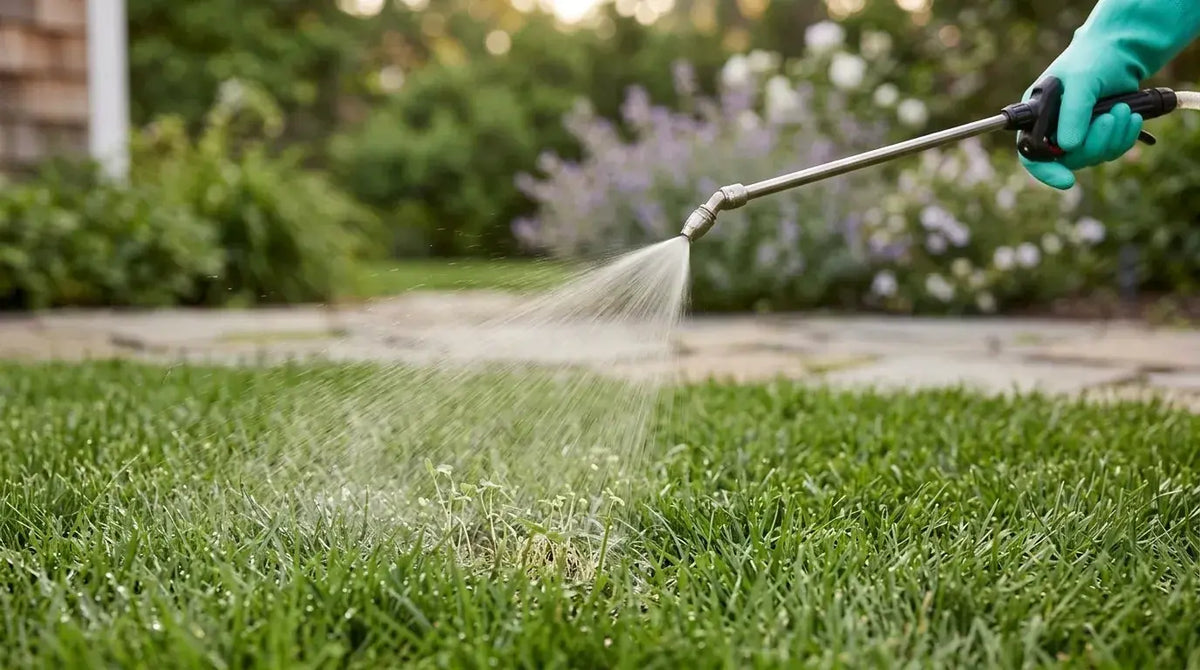
Choosing the best weed killer for lawns depends on the weeds you need to control, your grass type, and whether you want to kill existing weeds or prevent new ones from growing. Some products target broadleaf weeds such as dandelions and clover, while others are designed for crabgrass, sedges, or other difficult weeds. This guide compares seven lawn weed killers, explains their key limitations, and shows you how to choose and apply a product that is labeled for your lawn.
Best Lawn Weed Killers by Weed Type and Application
The best lawn weed killer depends on the weeds you need to control, your grass species, and whether the weeds have already emerged. The seven products below cover different needs, from spot-treating common weeds to preventing crabgrass and controlling sedges. Compare the intended use and grass restrictions before choosing a product; no single herbicide is suitable for every lawn.
Quick Comparison: Best Lawn Weed Killers
|
Product |
Best suited for |
Type |
Important consideration |
|
Ortho WeedClear Lawn Weed Killer Ready-to-Use North |
Spot-treating listed weeds in established lawns |
Ready-to-use, selective herbicide |
Check the North formula's grass compatibility and temperature limits |
|
Spectracide Weed Stop for Lawns Concentrate Ready-to-Spray |
Treating listed broadleaf weeds across compatible lawn areas |
Selective, post-emergent herbicide |
Do not confuse the standard product with versions that also target crabgrass |
|
BioAdvanced All-In-One Lawn Weed & Crabgrass Killer Ready-to-Spray |
Treating listed broadleaf weeds and crabgrass |
Selective, post-emergent herbicide |
Confirm the exact formulation and approved turfgrass species |
|
BioAdvanced Extreme Crabgrass Killer |
Treating crabgrass and other listed grassy weeds in compatible cool-season lawns |
Selective, post-emergent herbicide |
Not suitable for every grass type; temporary discoloration may occur on some labeled turf |
|
Scotts Halts Crabgrass & Grassy Weed Preventer |
Preventing crabgrass and other listed grassy weeds before they emerge |
Pre-emergent herbicide |
Can interfere with grass-seed germination; check reseeding restrictions |
|
Bonide Weed Beater Southern Lawns Ready-to-Spray |
Controlling listed broadleaf weeds in compatible Southern lawns |
Selective, post-emergent herbicide |
Verify that your warm-season grass is listed on the exact product label |
|
Bonide Sedge Ender Concentrate |
Treating listed sedges and other labeled weeds |
Herbicide concentrate |
Check the label for the target weed, turfgrass, mixing rate, and application method |
1. Ortho WeedClear Lawn Weed Killer Ready-to-Use North

Ortho WeedClear Lawn Weed Killer Ready-to-Use North is an option for homeowners who want a ready-to-use product for spot-treating weeds in an established lawn. The product's listed weed targets and compatible turfgrass species depend on the specific North formulation.
A ready-to-use product can be convenient for treating individual weeds without mixing a concentrate. Before applying it, check the label for approved grass types, temperature restrictions, and instructions for avoiding injury to desirable plants.
Consider it if: You want a ready-to-use option for treating listed weeds in a compatible lawn.
2. Spectracide Weed Stop for Lawns Concentrate Ready-to-Spray
Spectracide Weed Stop for Lawns Concentrate Ready-to-Spray is designed to control the broadleaf weeds listed on its label in compatible lawns. A hose-end ready-to-spray format can make treating a larger lawn more convenient than applying a hand-held ready-to-use spray to individual weeds.
Read the product name carefully before purchasing. Spectracide sells different lawn weed-control formulations, and the standard Weed Stop product should not be treated as interchangeable with versions that also target crabgrass. Their target weeds and grass restrictions may differ.
Consider it if: You need a hose-end product for listed broadleaf weeds and your turfgrass is approved on the label.
3. BioAdvanced All-In-One Lawn Weed & Crabgrass Killer Ready-to-Spray
BioAdvanced All-In-One Lawn Weed & Crabgrass Killer Ready-to-Spray is intended for listed broadleaf weeds and crabgrass in compatible lawns. This type of product may be useful when a lawn has more than one weed problem and the label covers the species present.
Do not assume that every BioAdvanced lawn product has the same formula or application instructions. Check the exact package for approved turfgrass species, coverage, temperature restrictions, and the weeds it controls.
Consider it if: You need a post-emergent product that lists both your broadleaf weeds and crabgrass.
4. BioAdvanced Extreme Crabgrass Killer
BioAdvanced Extreme Crabgrass Killer is formulated to control crabgrass and other listed grassy weeds in compatible lawns. The manufacturer identifies certain cool-season turfgrasses for use, including Kentucky bluegrass, perennial ryegrass, and fescue varieties, but the exact label should be checked before application.
This product is not appropriate for every lawn. Some warm-season grasses and other turf types are excluded, and temporary discoloration may occur on certain labeled grasses. Confirm your grass species rather than choosing a product based on the weed alone.
Consider it if: Crabgrass is already growing in a lawn whose grass type is specifically listed for the product.
5. Scotts Halts Crabgrass & Grassy Weed Preventer

Scotts Halts Crabgrass & Grassy Weed Preventer is a pre-emergent product designed to prevent crabgrass and other listed grassy weeds before they emerge. Unlike a post-emergent weed killer, it is intended to stop susceptible weeds during germination rather than eliminate established weeds.
Timing matters. Applying a pre-emergent herbicide can interfere with grass-seed germination, so it may not fit a lawn-care plan that includes overseeding or establishing new grass. Follow the label's application timing and reseeding restrictions.
Consider it if: You want to prevent listed annual grassy weeds before they appear and do not need to seed the lawn during the restricted period.
6. Bonide Weed Beater Southern Lawns Ready-to-Spray
Bonide Weed Beater Southern Lawns Ready-to-Spray is designed for controlling listed broadleaf weeds in compatible Southern lawns. Southern lawns may contain warm-season grasses, but tolerance varies by species and formulation. A product labeled for one warm-season grass should not automatically be assumed safe for all the others.
Check the label for the turfgrass species, weeds, application rates, and weather conditions covered by the product. Avoid spraying desirable plants or allowing drift onto nearby ornamentals.
Consider it if: You have a compatible Southern lawn and need to control broadleaf weeds listed on the label.
7. Bonide Sedge Ender Concentrate
Bonide Sedge Ender Concentrate is an option for lawns affected by listed sedges, including nutsedge, subject to the product's turfgrass and weed restrictions. Sedges can be difficult to manage because they are not the same type of plant as common broadleaf weeds or annual grassy weeds.
Identify the weed before treatment. If you are unsure whether the plant is nutsedge or another grassy-looking weed, compare its characteristics with a reliable weed-identification resource before choosing a herbicide. Follow the label for the correct rate, mixing instructions, and compatible grass types.
Consider it if: You have identified a sedge or another weed listed on the product label.
How to Choose the Best Lawn Weed Killer
The right product is the one that controls the weeds in your lawn without damaging the grass. Before choosing a herbicide, consider the weed species, turfgrass type, application method, and timing.
Identify the Weed You Need to Control
Start by identifying the weeds in your lawn. Dandelions, clover, and chickweed are broadleaf weeds, while crabgrass is a grassy weed and nutsedge is a sedge. These groups may require different active ingredients or application timing.
Check the product label to make sure your target weed is listed. If you cannot identify a weed confidently, consult a local university extension service or another reliable identification resource before treating it.
Check Your Grass Type Before Buying
A weed killer that is safe for one turfgrass species may injure another. Cool-season grasses, such as Kentucky bluegrass and fescue, can have different herbicide tolerances from warm-season grasses, such as St. Augustinegrass, centipedegrass, and zoysiagrass.
Confirm your grass species and check the exact product label for approved turfgrass types. Do not rely on a brand name or a general statement that a product is safe for lawns.
Choose the Right Application Type
Ready-to-use sprays are convenient for small areas and spot treatments. Hose-end ready-to-spray products can be useful for larger areas, while concentrates may require measuring and mixing before application.
Choose a format that fits the size of the area and your ability to apply the product accurately. Use only the application method allowed by the label.
Compare Coverage and Restrictions
Compare the labeled coverage area, application rate, weather restrictions, and reseeding interval before buying. A container's coverage depends on the specific formulation and how it must be applied.
Also consider whether the product can be used on newly seeded lawns, recently mowed grass, or turf under heat or drought stress. Follow the package instructions rather than increasing the rate to get faster results.

Selective vs. Non-Selective Weed Killer
Selective herbicides are designed to control specified weeds in compatible turfgrass, while non-selective herbicides can injure or kill most green vegetation they contact. The distinction matters when treating weeds in an established lawn.
Quick Comparison: Selective vs. Non-Selective Weed Killer
|
Comparison |
Selective Weed Killer |
Non-Selective Weed Killer |
|
Main purpose |
Control listed weeds while preserving labeled turfgrass |
Control a broad range of susceptible vegetation |
|
Existing lawn |
Potentially suitable when the label permits the grass type |
Generally unsuitable for broadcast use on grass you want to keep |
|
Common use |
Certain weeds growing within established lawns |
Hardscape weeds, spot treatments, or lawn renovation |
|
Main caution |
Can still injure incompatible grass or when misapplied |
Can kill or damage the lawn itself |
Selective Weed Killer for Existing Lawns
Selective herbicides are designed to control certain plants while allowing specified turfgrass species to tolerate the treatment when it is used according to the label. Many lawn weed killers target broadleaf weeds without killing the grass, while other selective products target particular grassy weeds.
However, “selective” does not mean safe for every lawn. The product must be labeled for your grass species, target weed, and intended application.
Non-Selective Weed Killer for Broad Vegetation Control
Non-selective herbicides can damage or kill most vegetation they contact, including lawn grass. They are generally more appropriate for situations such as clearing vegetation before establishing a lawn or treating specific areas where all vegetation is meant to be removed.
Do not use a non-selective weed killer over an established lawn unless the label specifically permits that use. If you only need to remove individual weeds, a labeled spot-treatment approach may reduce unnecessary exposure to surrounding grass.
Pre-Emergent vs. Post-Emergent Weed Killer
Pre-emergent and post-emergent herbicides work at different stages of weed development. Choosing between them depends on whether you are preventing weeds or treating weeds that are already growing.
Quick Comparison: Pre-Emergent vs. Post-Emergent Weed Killer
|
Feature |
Pre-Emergent Herbicide |
Post-Emergent Herbicide |
|
When to use |
Before target weeds germinate |
After target weeds emerge |
|
Main purpose |
Prevents susceptible weeds from establishing |
Controls existing weeds listed on the label |
|
Common lawn use |
Preventing crabgrass |
Treating visible weeds |
|
Main limitation |
May restrict seeding or overseeding |
Effectiveness depends on weed species and growth stage |
When to Apply Pre-Emergent Herbicide
Pre-emergent herbicides are applied before susceptible weeds emerge. They are commonly used to prevent certain annual weeds, including crabgrass, from establishing.
Application timing depends on the weed's germination cycle and local conditions. These products can also interfere with desirable grass-seed germination, so check the label carefully if you plan to overseed or establish new turf.
When to Apply Post-Emergent Herbicide
Post-emergent herbicides are used after weeds have emerged. They may be appropriate for visible weeds such as dandelions, clover, or established crabgrass, depending on the active ingredients and the product label.
For best results, follow the label's instructions about weed growth stage, weather, mowing, watering, and repeat applications. A post-emergent product will not necessarily control every weed species in a lawn.
For more details on when to start weed control, see our guide best time for lawn weed control.
How to Apply Weed Killer Safely
Using the correct product is only part of effective weed control. Accurate application helps protect the lawn, nearby plants, people, pets, and the surrounding environment.
Read the Label and Measure the Correct Amount
Read the entire product label before mixing or spraying. Follow the specified application rate, coverage area, protective-equipment instructions, and any restrictions on repeat treatments.
Never assume that a higher dose will work better. Applying more than the labeled rate can damage turfgrass and increase unnecessary pesticide exposure. In the United States, pesticide labels are legally enforceable, so the product must be used according to its labeling.
Check Weather and Application Conditions
Check the label for temperature, wind, rain, and watering restrictions. Avoid applying herbicide in conditions that increase spray drift or put the lawn under additional stress. Some products have narrow temperature ranges or restrictions for specific turfgrass species.
Do not assume that all lawn weed killers have the same weather requirements. Follow the instructions for the exact formulation you are using.
Protect People, Pets, and Surrounding Plants
Keep children and pets away from treated areas for the period specified on the label. Prevent spray from drifting onto flowers, shrubs, vegetable gardens, or neighboring lawns, and clean equipment according to the product instructions.
Store herbicides in their original containers, secured away from children, pets, food, and animal feed.
Frequently Asked Questions
What Is the Best Weed Killer That Won't Kill Grass?
There is no single weed killer that is safe for every type of grass. Look for a selective herbicide labeled for both the weeds you want to control and your turfgrass species. Follow the label's application rates and restrictions to reduce the risk of lawn injury.
What Is the Best Weed Killer for Common Lawn Weeds?
The best choice depends on the weed. Products labeled for broadleaf weeds may control dandelions and clover, while crabgrass and sedges may require different herbicides. Identify the weed first, then choose a product that lists it as a target.
Can You Use Weed and Grass Killer on a Lawn?
Not every weed and grass killer is suitable for an established lawn. Non-selective products can kill desirable turfgrass along with weeds. Use only products labeled for the intended lawn application, and check the instructions before spraying.
Is Pre-Emergent or Post-Emergent Weed Killer Better?
Neither is universally better. Pre-emergent herbicides help prevent susceptible weeds from emerging, while post-emergent herbicides treat weeds that are already growing. The right option depends on the weed, its growth stage, and your lawn-care plans.
How Do You Choose a Weed Killer for Your Grass Type?
Identify your turfgrass species and check the product label for approved grasses, target weeds, application rates, and restrictions. Do not assume that a product safe for one grass type will be safe for another. If you are unsure, consult a local university extension service.
Final Takeaway
The best weed killer for your lawn is one that targets the weeds you have, is labeled for your grass type, and fits your treatment timing. Identify the weeds first, compare the product labels, and follow the application and safety instructions. When in doubt, a local extension service can help you identify difficult weeds and understand which control methods are appropriate for your lawn.
Did you like this article? Add us as a preferred source to find us more easily on Google.