


If you’ve invested in a robot lawn mower, one of the first questions that comes up is simple: do you actually need a garage for it?
The short answer is—it depends on your setup, your climate, and your mower type. While most modern robotic mowers are designed to handle rain and outdoor conditions, long-term exposure to sun, heat, and moisture can shorten their lifespan and lead to avoidable issues like docking errors or battery wear.
In real-world installations across the U.S., I’ve seen everything from mowers running flawlessly in open yards to units struggling with heat damage in places like Arizona or corrosion in humid regions like Florida. A well-designed garage or shelter doesn’t just “protect” your mower—it can improve reliability, extend component life, and reduce maintenance over time.
That said, not every setup needs one—and in some cases, a poorly designed garage can actually cause problems, especially for newer RTK (GPS-guided) mowers that rely on clear sky visibility.
In this guide, I’ll break down:
- Whether a robot lawn mower garage is truly necessary
- The real benefits (and limitations)
- How to build a DIY garage that actually works
- And the most common mistakes to avoid
By the end, you’ll know exactly whether a robot lawn mower garage is worth it—and how to do it right if it is.
Do You Need a Robot Lawn Mower Garage?
The honest answer: most robot lawn mowers don’t require a garage—but many setups benefit from one.
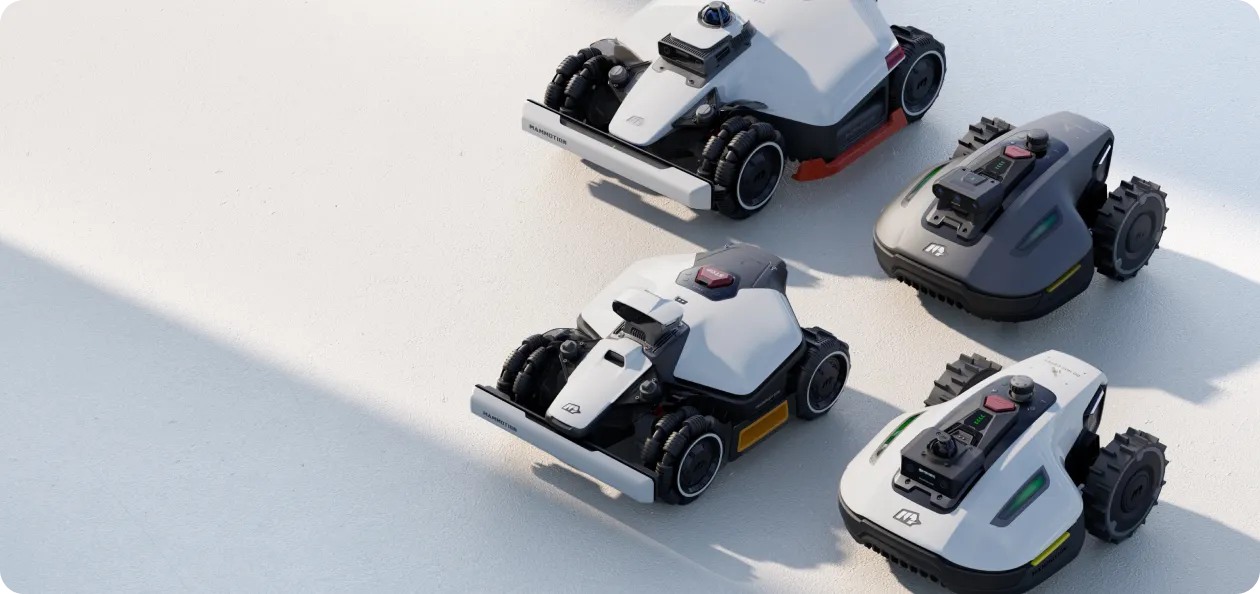
Modern robotic mowers are built for outdoor use. Models from brands like Husqvarna, Worx, and Mammotion are designed to handle rain, dirt, and daily exposure to the elements. You can leave them outside year-round, and they’ll continue to operate.
But “weather-resistant” doesn’t mean “immune to wear.”
What Happens Without a Garage?
From real-world experience, here’s what typically happens when a mower is fully exposed:
Sun (UV) exposure: Over time, constant sunlight can fade plastics, weaken housings, and accelerate seal degradation—especially in high-UV states like Arizona, Texas, and California.
- Heat buildup: In hot climates, internal temperatures rise quickly when the mower sits on the charging dock. This can gradually impact battery performance and lifespan.
- Moisture exposure: While rain itself isn’t usually a problem, repeated wet-dry cycles can lead to corrosion around charging contacts and internal components.
- Debris accumulation: Leaves, dust, and grass clippings collect more easily, which can interfere with sensors and docking accuracy.
In short: your mower will still work—but it may age faster and require more maintenance.
When You Probably Don’t Need a Garage
There are situations where skipping a garage is perfectly fine:
- You live in a mild climate (e.g., coastal California)
- Your mower is installed in a naturally shaded area
- You’re using a lower-cost model and aren’t concerned about long-term wear
- Your docking station is already partially protected (e.g., under a deck)
In these cases, a garage is more of a “nice-to-have” than a necessity.
When a Garage Makes a Big Difference
A garage becomes much more valuable if:
- You live in a hot or high-UV region (Southwest U.S.)
- Your area gets frequent rain or humidity (Florida, Southeast)
- You’ve invested in a premium mower (especially RTK/GPS models)
- Your docking station is in a fully exposed yard
- You want to maximize lifespan and reduce maintenance
For higher-end robotic mowers—especially RTK-based systems—a garage isn’t just about protection. It’s about consistency and reliability over time.
Do you need a robotic lawn mower garage? The key is understanding that a garage is less about survival—and more about protecting your investment and avoiding preventable problems.
Benefits of a Robot Mower Garage (Beyond Rain Protection)
Most people think a robotic mower garage is just about keeping rain off the machine—but in practice, the benefits go much further. A well-designed garage can improve performance, reduce maintenance, and extend the life of your mower in ways that aren’t immediately obvious.
1. Weather Protection (Rain, UV, and Snow)
Yes, protection from rain is the most obvious benefit—but it’s actually UV exposure and temperature swings that cause the most long-term damage.
- Sun exposure: Constant UV can degrade plastic housings and seals over time
- Heavy rain: Repeated wet conditions increase wear on charging contacts
- Snow & frost: In colder regions, ice buildup around the dock can interfere with charging
In places with extreme weather—like the Midwest or Northeast—a garage helps create a more stable operating environment.
2. Longer Battery & Electronics Lifespan
From field experience, one of the biggest hidden advantages is temperature control.
When a mower sits on its charging station in direct sun:
- Internal temperatures rise quickly
- Battery cells experience more stress
- Charging efficiency can drop over time
This is especially relevant for newer RTK-enabled models from brands like Mammotion and Segway Navimow, which rely on more advanced electronics.
A simple garage can reduce heat exposure significantly, helping preserve battery health over the long term.
3. Cleaner Docking = Fewer Errors
One issue I regularly see in real installations is dirty or obstructed docking stations.
Without a garage:
- Leaves and debris collect around the base
- Mud builds up after rain
- Sensors and charging contacts get dirty
This can lead to:
- Failed docking attempts
- Inconsistent charging
- More manual intervention
A garage acts as a basic shield, keeping the docking area cleaner and more reliable.
4. Theft & Visibility Reduction (U.S.-Specific)
In many U.S. suburbs, robotic mowers are still relatively new—and visible devices in open yards can attract attention.
A garage can:
- Make the mower less noticeable from the street
- Reduce curiosity or tampering
- Add a small layer of passive security
It’s not a replacement for app-based security features, but it does help lower visibility, which matters more in some neighborhoods than others.
5. HOA & Aesthetic Considerations
This is something many European guides overlook—but in the U.S., it’s a real factor.
Homeowners associations (HOAs) and neighborhood standards often prioritize:
- Clean yard appearance
- Minimal visible equipment
- Consistent landscaping aesthetics
A well-built garage can:
- Make your setup look more intentional
- Help avoid complaints about “equipment left out”
- Blend into your yard design
For many U.S. homeowners, those benefits add up quickly—especially if you’re running your mower daily during peak growing season.
DIY vs Prebuilt Robot Mower Garage (Which Is Better?)
Once you decide a garage makes sense for your setup, the next question is: should you build one yourself or buy a prebuilt model?
Both options can work well—but they serve very different types of users. From what I’ve seen in real installations, the “right” choice usually comes down to how much you value customization vs convenience—and how careful you are with design details.
Quick Comparison
|
Feature |
DIY Garage |
Prebuilt Garage |
|
Cost |
Lower ($50–$200) |
Higher ($150–$500+) |
|
Customization |
High |
Limited |
|
Installation |
Manual (tools required) |
Plug-and-play |
|
Build Quality |
Varies |
Consistent |
|
RTK Compatibility |
Risky if poorly designed |
Often optimized |
DIY Robot Lawn Mower Garage: Best for Custom Setups
Building your own garage is a popular option in the U.S.—especially if you already have tools or enjoy weekend projects.
|
Advantages |
Common issues include |
|
|
These problems are especially noticeable with newer RTK mowers from brands like Mammotion, where positioning and signal clarity are critical.
👉 Bottom line: DIY works great if you understand the technical constraints.
Prebuilt Robot Lawn Mower Garage: Best for Simplicity & Reliability
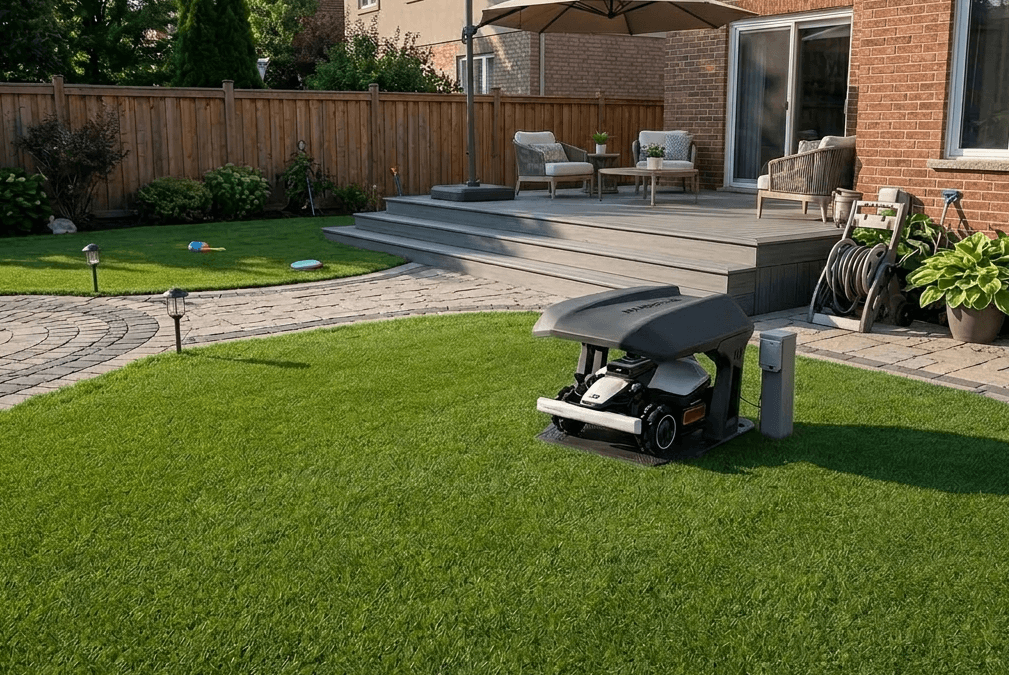
Prebuilt garages are designed specifically for robotic mowers and have improved a lot in recent years. Robotic lawn mower garages, such as those manufactured by Mammotion, not only provide robust protection against UV rays and harsh weather conditions, but are also easy to install and remove.

Brands like Mammotion and Worx offer models that are:
- Easy to install
- Sized correctly for their mowers
- Designed to avoid common interference issues
|
Advantages |
Limitations |
|
|
Expert Insight: Where Most People Go Wrong
In practice, the biggest difference isn’t DIY vs prebuilt—it’s whether the garage is designed correctly for your mower type.
I’ve seen:
- DIY garages outperform prebuilt ones (when properly designed)
- Expensive prebuilt units still cause docking issues (when poorly placed)
For RTK/GPS-guided mowers in particular, signal clarity and positioning matter more than the garage itself.
DIY vs Prebuilt Robot Mower Garage: How to Choose
Choose DIY if:
- You want customization, lower cost, and are willing to get the details right
Choose prebuilt if:
- You want simplicity, faster setup, and fewer chances of error
For RTK mower owners:
- Either option works—but only if you avoid signal interference and placement mistakes
How to Build a Robot Lawn Mower Garage (Step-by-Step)
If you decide to go the DIY route, the key isn’t just building something that looks good—it’s building something that works reliably with your mower and docking station.
A well-built garage should:
- Protect from sun and weather
- Allow smooth, consistent docking
- Avoid blocking GPS/RTK signals
Here’s how to do it right.
Tools & Materials for DIY Robotic Lawn Mower Garage (U.S.-Ready)
You don’t need anything complex—most materials are available at stores like Home Depot or Lowe’s.
Basic materials:
- Pressure-treated wood (for frame)
- Polycarbonate or plastic roofing panel (UV-resistant)
- Exterior screws (rust-resistant)
- Gravel or pavers (for base)
Optional upgrades:
- UV-protective coating or paint
- Rubber mat for cleaner docking surface
- Anchors (for windy areas)
💡 Expert tip: Avoid metal roofing if you’re using an RTK mower—it can interfere with signal reception.
Recommended Dimensions for Garage (Don’t Skip This)
One of the most common DIY mistakes is building the garage too small.
General guideline:
- Width: mower width + at least 4–6 inches on each side
- Height: enough clearance for the tallest point of the mower + dock
- Depth: fully covers the mower when docked
For larger or RTK models (like those from Mammotion), add extra space:
- Wider body
- Different docking angles
- More sensitivity to alignment
👉 When in doubt, go slightly bigger—not tighter.
Step-by-Step Build a Robotic Lawn Mower Garage
1. Choose the Right Location
- Place it directly over or slightly in front of the charging station
- Make sure the ground is level
- Avoid low spots where water collects
For RTK mowers:
- Ensure clear sky visibility above the dock
- Avoid placing near walls, fences, or dense trees
2. Prepare the Base
- Use gravel, pavers, or a concrete slab
- Ensure proper drainage
- Keep the docking area stable and mud-free
This step alone can prevent a lot of long-term issues.
3. Build the Frame
- Create a simple rectangular or arch frame
- Keep the front fully open for easy entry
- Make sure the structure is stable but not bulky
4. Install the Roof
- Attach a lightweight, non-metal roof
- Angle it slightly for water runoff
- Ensure it extends far enough to protect the dock
💡 Polycarbonate panels work especially well:
- Durable
- UV-resistant
- Won’t interfere with signals
5. Test Docking Alignment
This is where many DIY builds fail.
After installation:
- Run multiple docking cycles
- Watch how the mower enters and aligns
- Check for contact with edges or supports
If anything looks tight or inconsistent—adjust immediately.
Quick Build Checklist
Before calling it done, make sure:
- ✔ Docking is smooth and repeatable
- ✔ No signal interference (for RTK models)
- ✔ Water drains away from the base
- ✔ Garage is large enough for error margin
Expert Takeaway
Building a robot mower garage isn’t complicated—but precision matters more than craftsmanship.
A simple, well-placed structure will outperform an elaborate design that:
- Blocks signals
- Restricts movement
- Or traps heat and moisture
In the next section, I’ll show you the most common mistakes I see in real installations—and how to avoid them.
⚠️ Common Mistakes (From Real-World Installations)
This is where most DIY garages go wrong—not in construction, but in design decisions that seem minor but cause real performance issues.
I’ve seen perfectly solid builds end up creating more problems than they solve. If you avoid the mistakes below, you’ll already be ahead of most installations.
1. Blocking RTK/GPS Signal
This is the #1 issue with modern robotic mowers. RTK and GPS-guided models—depend on a clear view of the sky to maintain precise positioning.
|
What goes wrong: |
Real-world impact: |
|
|
👉 Fix: Use non-metal materials and maintain open sky visibility above the dock.
2. Poor Drainage Around the Dock
A garage protects from rain—but if water collects underneath, you’re creating a different problem.
|
What goes wrong: |
Real-world impact: |
|
|
👉 Fix: Always elevate slightly and use gravel or pavers for drainage.
3. Garage Too Small or Too Tight
This one is extremely common—and easy to overlook.
|
What goes wrong: |
Real-world impact: |
|
|
👉 Fix: Build with extra clearance. Your mower needs margin for error.
4. Placing the Garage in a Weak Signal Zone
Even without a roof issue, placement alone can cause problems.
|
What goes wrong: |
Real-world impact: |
|
|
👉 Fix: Choose a location with strong, stable signal conditions—not just convenience.
5. Trapping Heat Instead of Reducing It
Ironically, some garages make heat problems worse.
|
What goes wrong: |
Real-world impact: |
|
|
👉 Fix: Keep the design open and ventilated. Shade is good—heat traps are not.
Expert Takeaway
A robot mower garage should be function-first, not design-first.
The best setups I’ve seen are: Simple, Open, Well-positioned, and Built with the mower’s technology in mind.
In the next section, we’ll look at the best materials to use—and which ones to avoid, especially for RTK mowers.
Best Materials for Robot Lawn Mower Garages
Choosing the right materials isn’t just about durability—it directly affects signal performance, heat management, and long-term reliability.
From what I’ve seen in real installations, material choice is one of the biggest differences between a garage that just looks good and one that actually improves mower performance.
1. Wood (Best Overall for DIY)
Wood is the most popular choice—and for good reason.
|
Why it works well: |
Best use case: |
Watch out for: |
|
|
|
👉 Expert tip: Use pressure-treated lumber and apply a weather-resistant sealant to extend lifespan.
2. Plastic / Polycarbonate (Best for Performance)
This is one of the most underrated—and effective—options.
|
Why it works well: |
Best use case: |
|
|
3. Metal (Durable—but Risky)
Metal might seem like the strongest option—but it comes with trade-offs.
|
Pros: |
Cons: |
|
|
👉 Metal roofs are a common cause of docking and positioning issues.
4. Mixed Materials (Best Balanced Approach)
Many of the best-performing garages use a combination of materials:
- Wood frame → structure and stability
- Polycarbonate roof → protection without interference
- Gravel/paver base → drainage and cleanliness
This approach gives you: Durability; Signal safety; Better temperature control
Quick Material Comparison
|
Material |
Durability |
Signal Safety |
Heat Control |
Ease of Use |
|
Wood |
Medium–High |
Excellent |
Good |
Easy |
|
Plastic/Polycarbonate |
High |
Excellent |
Very Good |
Easy |
|
Metal |
Very High |
Poor (RTK) |
Poor |
Medium |
Expert Takeaway
If you’re building a garage today—especially for a modern RTK mower—the safest and most effective setup is:
👉 Wood structure + polycarbonate roof
It avoids the most common issues while still giving you strong protection and long-term reliability.
Robotic Mower Garage Placement Tips (Critical for RTK Mowers)
You can build a perfect garage—but if it’s placed in the wrong spot, you’ll still run into problems.
In real-world setups, placement is often more important than the garage itself, especially for newer RTK/GPS-guided mowers. Poor placement is one of the main reasons for docking failures, signal drops, and inconsistent performance.
1. Prioritize Clear Sky Visibility
For RTK mowers, this is non-negotiable. Models rely on satellite signals for precise positioning.
What to aim for:
- Open sky directly above the charging station
- Minimal overhead obstructions
- Wide-angle visibility (not just a small opening)
2. Keep Distance from Walls and Obstacles
It’s tempting to place the garage close to your house for convenience—but this often creates signal and navigation issues.
Best practice:
- Leave several feet of clearance from walls
- Avoid tight corners or enclosed spaces
- Ensure a straight, open path to the dock
Signal interference doesn’t just come from above—it can come from around the garage too.
3. Consider Sun Orientation (U.S.-Specific Insight)
In many parts of the U.S., sun exposure is a bigger issue than rain.
Smart placement:
- Position the garage to block afternoon sun (the hottest part of the day)
- Use natural shade where possible
- Avoid full-day direct exposure in hot climates
Quick Placement Checklist
Before finalizing your setup, make sure:
- ✔ Clear sky above the dock (for RTK mowers)
- ✔ Open approach path (no tight turns or obstacles)
- ✔ Distance from walls and fences
- ✔ Minimal nearby reflective surfaces
- ✔ Protection from extreme sun exposure
- ✔ Dry, level ground
U.S. Climate Considerations When Placing Your Robot Mower Garage
Your local climate plays a bigger role than most people expect. The same setup that works perfectly in one state can cause issues in another.
Here’s how to adjust your garage approach based on where you live:
1. Hot & Dry (Arizona, Nevada, Texas)
Main issue: Extreme heat + UV exposure
- Use UV-resistant materials (polycarbonate works well)
- Prioritize shade and airflow
- Avoid heat-trapping designs
👉 A garage makes a big difference in battery longevity here.
2. Humid & Rainy (Florida, Southeast)
Main issue: Moisture and corrosion
- Focus on drainage (gravel or pavers)
- Keep the docking area dry and clean
- Use rust-resistant materials
👉 Protection is less about rain—and more about constant humidity.
3. Cold & Snowy (Midwest, Northeast)
Main issue: Snow buildup and freezing
- Use a sloped roof to prevent accumulation
- Ensure the dock area stays clear
- Consider seasonal removal if winters are harsh
4. Coastal Areas (California, East Coast)
Main issue: Salt air + mild weather
- Use corrosion-resistant materials
- Garage is optional, but helps with long-term wear
Final Thoughts
A robotic lawn mower garage isn’t just a “nice-to-have” accessory—it’s an investment in reliability, longevity, and peace of mind.
From real-world experience across the U.S., the biggest differences in performance come from:
- Placement – clear sky visibility and open approach paths
- Materials – non-metal roofs, UV-resistant panels, and durable wood
- Design – enough space for smooth docking and proper drainage
For most homeowners:
- DIY garages work well if you pay attention to signal, clearance, and drainage
- Prebuilt garages are convenient and reduce the risk of mistakes, especially for RTK models
Ultimately, whether you build it yourself or buy it prebuilt, the goal is simple: protect your mower, improve docking reliability, and extend its lifespan.
A thoughtfully placed, well-constructed garage transforms your robotic mower from a “nice gadget” into a long-term, low-maintenance yard companion.