


For many homeowners, mowing a large property can take 2–4 hours per week during peak growing season, especially when terrain, slopes, and obstacles are involved. And in most cases, frustration doesn’t come from the workload itself, but from choosing the wrong type of mower.
A zero-turn mower may be fast on flat ground but difficult on slopes or tight layouts. A riding tractor may handle uneven terrain better but takes longer to finish large open areas. And robotic mowers, while improving in 2026, still depend heavily on yard layout, boundary clarity, and satellite visibility.
The reality is simple:
There is no universal “best lawn mower” for large yards — only the right match for your terrain, layout, and how you actually use your property.
In this guide, we’ll break down how homeowners actually choose a mower, what most buyers regret, and which mower types fit different real-world yard conditions.
How Homeowners Actually Choose a Lawn Mower for Large Yard
Most homeowners don’t start by choosing a mower type.
They start by trying to solve a problem:
- “How long will this take me every week?”
- “Can I handle the slopes safely?”
- “Will this fit through my gates?”
- “Do I want to spend my weekends mowing at all?”
In real-world usage, the best lawn mower for a large yard is rarely decided by horsepower or brand. It is determined by a combination of four practical constraints that show up only after purchase.
1. Yard size and mowing time expectation
The first factor is not acreage alone, but how much time you are willing to spend mowing.
Two 2-acre properties can feel completely different depending on layout:
Open flat land = faster mowing time
Fragmented yard with obstacles = significantly slower
For most homeowners, this is where expectations start to mismatch reality.
2. Terrain and slope conditions
Terrain has a bigger impact on mower choice than most specifications.
Flat, open yards favor speed-focused machines like zero-turn mowers.
But once slopes, uneven ground, or drainage areas are involved, stability and traction become more important than cutting speed.
This is also where many buyers regret choosing purely performance-oriented machines.
3. Yard complexity (trees, fences, narrow paths)
A large yard is not always an “open field.”
Real properties often include:
- tight fence gates
- trees and landscaping islands
- curved or segmented mowing zones
- narrow access paths
These factors can significantly reduce the efficiency of wider decks or larger riding machines.
4. Maintenance tolerance and lifestyle fit
This is the most overlooked factor.
Some homeowners don’t mind:
- oil changes
- blade sharpening
- seasonal maintenance
- storage and winter prep
Others simply want the lawn to be maintained with minimal involvement.
In 2026, this factor increasingly determines whether traditional riding mowers or robotic systems are a better long-term fit.
Once you understand these four factors, mower selection becomes much clearer.
Instead of asking “what is the best mower,” the better question becomes:
“What type of mower matches my yard conditions and lifestyle constraints?”
In the next section, we’ll break down the most common mistakes homeowners make when choosing a mower for large yards — and why many purchases don’t match expectations after the first season.
The 5 Biggest Mistakes Homeowners Make When Buying a Lawn Mower
Most homeowners don’t end up unhappy with their mower because of poor quality. They end up unhappy because the mower they chose doesn’t match how their property actually behaves in real life.
Here are the most common mistakes people make when buying a mower for large yards.
1. Choosing the mower based only on yard size
A common assumption is that acreage determines the mower type.
In reality, 2 acres of flat open grass is completely different from 2 acres with slopes, trees, and narrow sections.
Many buyers overspend on large machines they don’t fully need — or worse, underbuy and spend extra hours every week compensating for it.
2. Underestimating slope and terrain impact
One of the biggest surprises for first-time buyers is how much terrain changes everything.
A machine that performs well on flat ground may struggle with:
- hillside traction
- wet grass stability
- uneven soil conditions
This is where many homeowners realize that “speed-focused” machines are not always the safest or most practical choice.
3. Prioritizing horsepower over transmission quality
Horsepower is often used as a marketing headline, but it is rarely the limiting factor in real-world mowing.
Transmission quality, traction stability, and deck durability have a far greater impact on long-term performance.
Many lower-cost machines perform well initially but degrade faster in these core systems.
4. Ignoring property layout and access limitations
Large yards are often not open spaces.
Common constraints include:
- narrow fence gates
- tight turning radius areas
- trees, garden beds, and landscaping zones
A mower that looks efficient on paper can become frustrating if it constantly requires repositioning or manual trimming.
5. Expecting one mower to fit every condition
Many homeowners expect a single machine to handle every situation equally well.
But in practice, mowing performance always involves trade-offs between:
- speed
- stability
- maneuverability
- maintenance effort
This is why the “best mower” is rarely universal — it depends entirely on how your yard behaves in real conditions.
Next, we’ll break down which mower type fits different yard scenarios — including flat properties, hilly terrain, complex landscapes, and low-maintenance setups.
Best Lawn Mower Type for Large Yards by Situation
Once you understand the common mistakes, mower selection becomes much more straightforward.
Instead of focusing on brands or specifications, the most reliable way to choose a mower is to match it with your yard’s actual layout and working conditions.
Here’s how different mower types perform in real-world scenarios.
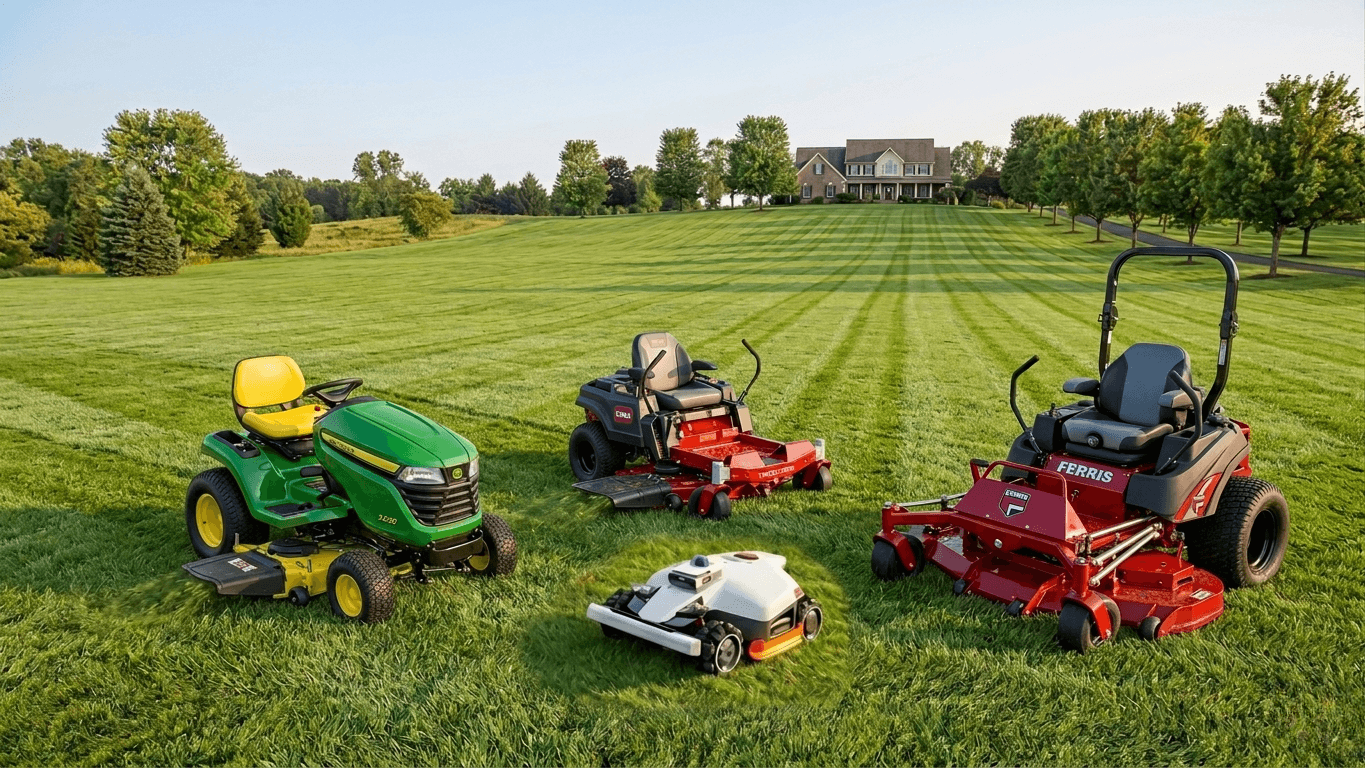
1. Flat, open large yards → Zero-turn mower
For large, open, and relatively flat properties, zero-turn mowers are still one of the most efficient mowing solutions available.
They are designed for speed and maneuverability, making them ideal for homeowners who prioritize finishing large areas quickly.
However, performance drops when terrain becomes uneven or slopes become more frequent, where stability becomes a limiting factor rather than speed.
2. Hilly or uneven terrain → Riding tractor mower
For properties with slopes, dips, or inconsistent ground conditions, riding tractor-style mowers tend to provide better stability and traction.
Their weight distribution and design make them more predictable on uneven surfaces, even if they are not as fast as zero-turn machines on flat land.
This trade-off between speed and control is often the deciding factor for homeowners with mixed terrain.
3. Complex yards with obstacles → Combination approach or smaller deck systems
Yards with trees, garden beds, narrow gates, or segmented mowing areas often require more flexibility than raw cutting speed.
In these environments, smaller deck sizes or more maneuverable systems tend to perform better over time, even if they take slightly longer to complete the job.
Efficiency in these cases is less about speed per pass, and more about reducing re-positioning and trimming effort.
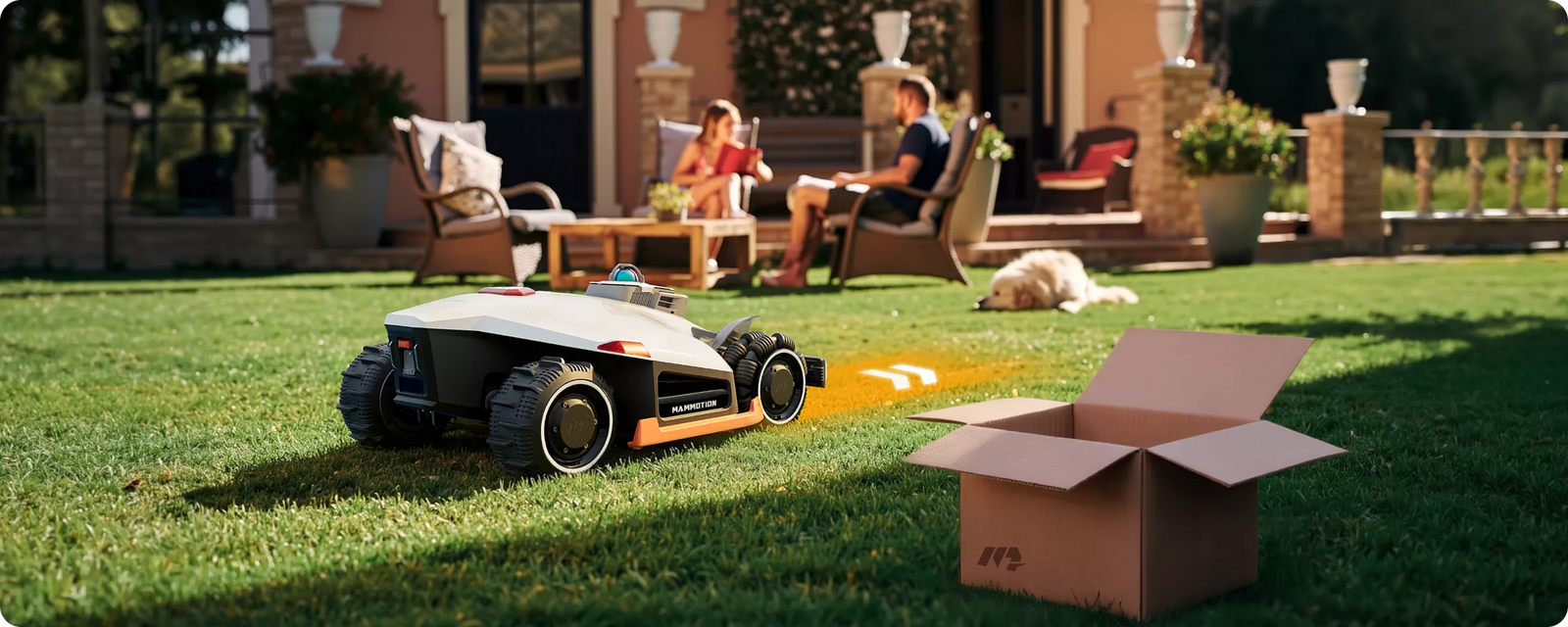
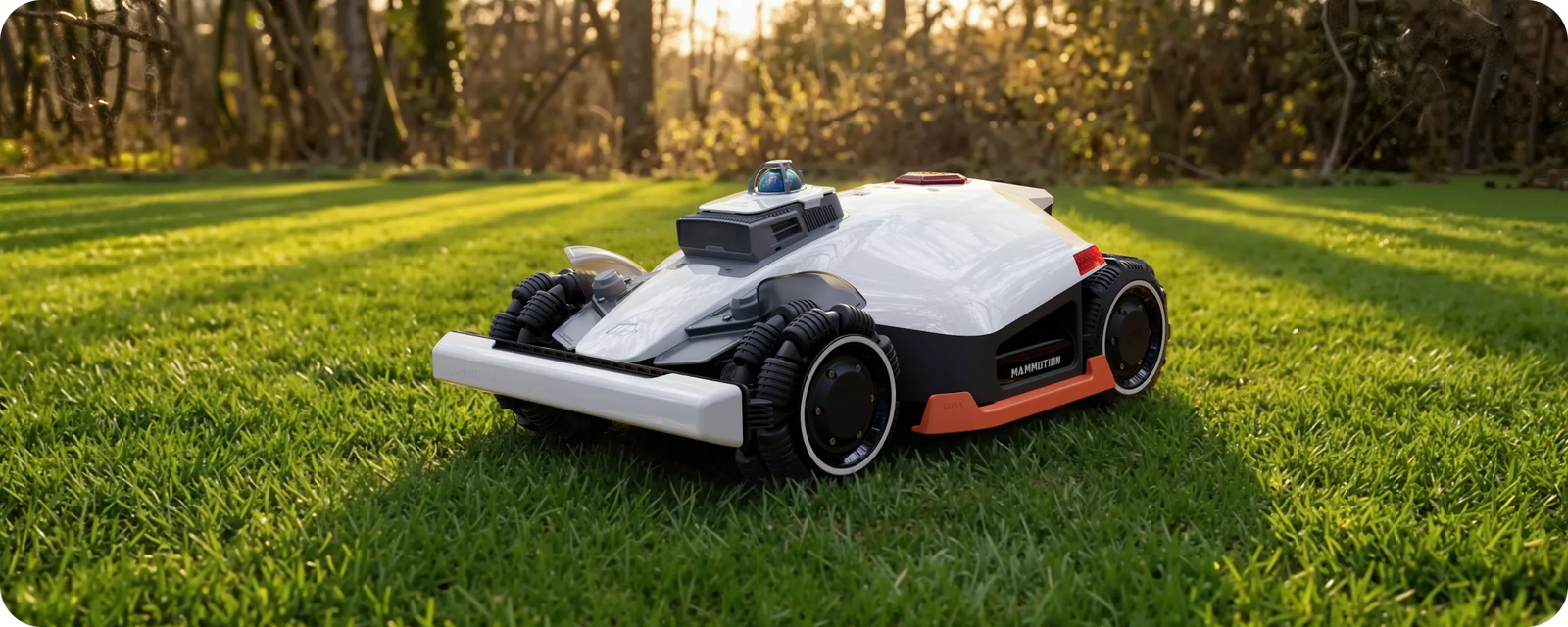
4. Low-maintenance lifestyle → Robotic mower systems
For homeowners who prefer to minimize manual mowing time, robotic mowing systems have become significantly more viable in 2026 compared to earlier generations.
They work best in properties with:
- clear boundaries
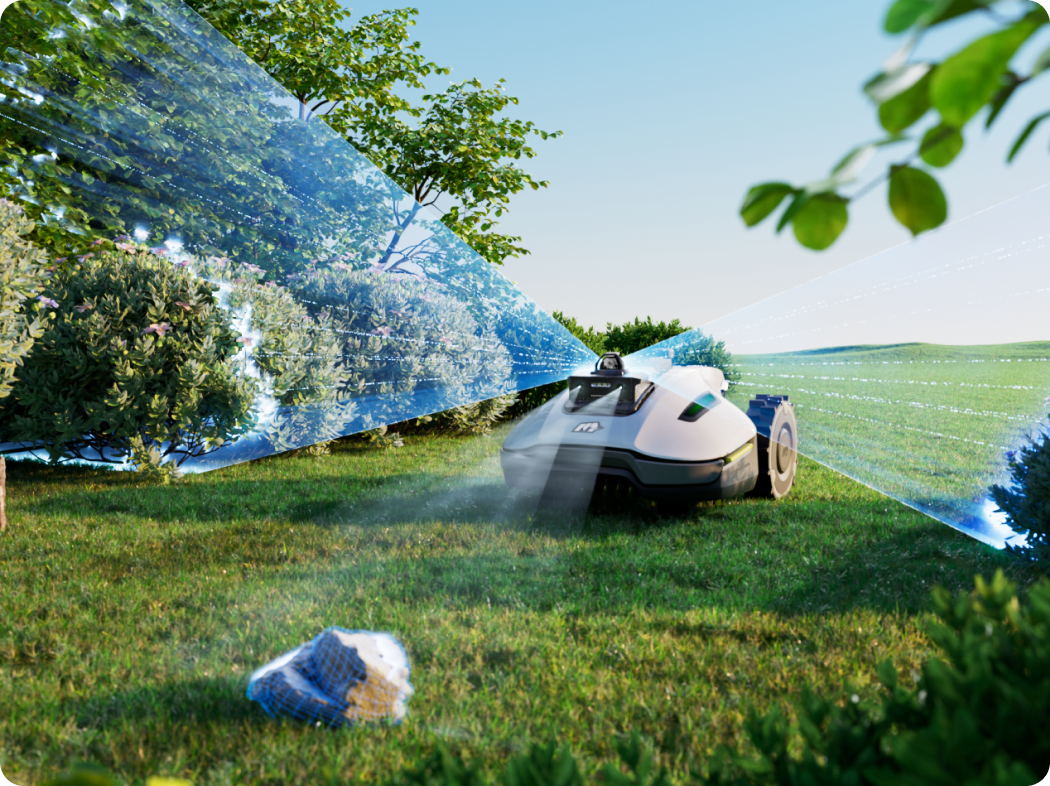
- good satellite visibility
- consistent grass growth patterns
While they do not eliminate all maintenance tasks, they can significantly reduce weekly mowing workload over the season.

In the next section, we’ll compare zero-turn mowers, riding tractors, and robotic mowing systems side by side to help clarify the final decision.
Zero-Turn vs Riding Tractor vs Robot Mowers (2026 Real-World Comparison)
At this stage, most homeowners are not asking what mowers exist — they are trying to decide which direction actually makes sense for their property.
In real-world use, zero-turn mowers, riding tractors, and robotic mowing systems each solve a different problem. The right choice depends less on features, and more on what kind of “work experience” you are trying to avoid.
Below is how they compare in practical terms.
|
Factor |
Zero-Turn Mower |
Riding Tractor |
Robotic Mower |
|
Best use case |
Large flat open yards |
Mixed terrain & slopes |
Low-effort automated maintenance |
|
Mowing speed |
⭐⭐⭐⭐⭐ |
⭐⭐⭐ |
⭐⭐⭐ |
|
Terrain handling |
Weak on slopes & wet ground |
stability |
Depends on layout & signal conditions |
|
Physical effort |
Medium |
Medium |
Very low |
|
Maintenance requirement |
Medium–High |
Medium |
Low (but system setup required) |
|
Yard complexity handling |
Medium |
Medium–Good |
Good (if boundaries are well defined) |
|
Best advantage |
Maximum efficiency |
Stability & control |
Time savings & automation |
|
Main limitation |
Poor slope performance |
Slower on open land |
Depends on the yard environment |
There is no universally “best” mower type for large yards.
Each system is optimized for a different priority:
- Zero-turn → speed and efficiency
- Riding tractor → stability and terrain adaptability
- Robotic mower → reduced manual effort and automation
In most real-world cases, the best choice is the one that minimizes the specific type of inconvenience you experience most — whether that is time, physical effort, or ongoing maintenance.
Once the trade-offs are clear, the final step is understanding whether robotic mowing systems are actually practical for large yards in real-world conditions — and when they make sense versus traditional machines.
Are Robot Mowers Actually Worth It for Large Yards in 2026?
Robot mowers have improved significantly in recent years, but whether they are “worth it” for large yards in 2026 depends heavily on property conditions and user expectations.
Unlike traditional mowers, robotic systems are not designed to replace every mowing scenario. Instead, they are designed to reduce the frequency and effort of manual lawn maintenance.
In the right environment, they can be highly effective. In the wrong environment, they can become frustrating and underperforming.
When robot mowers make strong sense
In well-suited environments, robotic mowing systems can perform consistently and require minimal intervention.
They tend to work well when:
- the lawn has clear and continuous boundaries
- the layout is relatively open or logically segmented
- there is stable satellite visibility for positioning systems
- grass growth is consistent throughout the season
In these scenarios, many homeowners find that robotic mowers significantly reduce the amount of time spent on routine lawn maintenance, while still maintaining a clean and regularly cut lawn.
For large yards in particular, they are no longer an edge-case technology. They are now a legitimate category alongside traditional riding and zero-turn mowers.
The key difference in 2026 is that success depends less on the machine itself, and more on whether the property is suitable for automated mowing in the first place.
Final Recommendation: Choosing the Right Mower for a Large Yard in 2026
Choosing the right lawn mower for a large yard in 2026 is less about finding the “best machine” and more about identifying the option that best matches your property conditions and lifestyle expectations.
Across most real-world scenarios, the decision usually comes down to three core priorities: mowing speed, terrain adaptability, and level of automation.
Each mower type represents a different balance between these priorities — and no single option performs best across all categories.