


Robot lawn mowers have gained significant popularity in recent years, offering a convenient and efficient way to maintain lawns with minimal effort. These high-tech devices navigate your yard autonomously, cutting grass while you sit back and relax. However, one common question that often comes up is:
Can robot lawn mowers cut wet grass?
Yes, most robot lawn mowers can cut wet grass, but it’s not recommended in most situations. Wet conditions can reduce cutting quality, cause grass clumping, affect traction, and increase wear on the mower.
Should You Mow Wet Grass With a Robot Mower?
While robot lawn mowers can technically operate on wet grass, whether you should use them depends on the conditions. In most cases, it’s better to wait until the lawn is dry.
Not recommended in most situations
Mowing wet grass is usually a bad idea because it can lead to:
- Uneven or messy cutting results
- Grass clumping under the mower deck
- Reduced traction and possible slipping
- Extra strain on the motor and components
These issues can make mowing less efficient and potentially affect long-term performance.
Sometimes acceptable to mow wet grass
In certain situations, mowing slightly wet grass is manageable:
- Light morning dew
- Recently watered lawn (not soaked)
- Well-maintained grass that isn’t overgrown
In these cases, performance may drop slightly but it won’t cause major issues.
When it’s safe to mow wet grass
The best conditions for robot mowing are:
- Grass is dry or only slightly damp
- No recent heavy rain
- No standing water or muddy areas
This ensures clean cuts, smooth operation, and minimal wear on the mower.
📌 Key takeaway
Just because a robot mower can cut wet grass doesn’t mean it should.
For the best results and mower longevity, always aim to mow when the grass is dry or nearly dry. Here are 7 reasons not to cut wet grass.
Why Wet Grass Is a Problem for Robot Lawn Mowers
Wet grass creates several practical issues that can affect both mowing performance and mower longevity. Even advanced robot mowers are impacted when conditions are too damp.
1. Grass clumping and clogging
When grass is wet, clippings stick together instead of dispersing evenly.
- Builds up under the mower deck
- Can block blades and reduce cutting efficiency
- May require manual cleaning after mowing
This is one of the most common problems in wet conditions.
2. Uneven cutting results
Wet grass tends to bend and lie flat rather than standing upright.
- Blades may miss sections of grass
- Lawn can look patchy or uneven
- May require additional mowing passes
The result is a less clean, less consistent finish.
3. Reduced traction and control
Moist ground can make it harder for robot mowers to maintain grip.
- Wheels may slip on slopes or soft soil
- Navigation can become less precise
- Risk of getting stuck increases
This is especially noticeable on uneven or hilly lawns.
4. Increased wear on components
Wet mowing conditions can put extra stress on the mower.
- Motor works harder to cut heavy, damp grass
- More debris buildup around moving parts
-
Long-term exposure may increase maintenance needs
📌 Key takeaway
Wet grass doesn’t stop a robot mower—but it reduces efficiency, cutting quality, and overall performance.
For the best results, it’s always better to mow when the lawn is dry or only slightly damp.
When Is It Safe to Mow Wet Grass?
Not all “wet grass” conditions are the same. In some cases, robot mowers can operate normally, while in others, mowing should be avoided entirely.
1. Light moisture (generally safe)
- Early morning dew
- Slightly damp grass after watering
- No visible water buildup
In these conditions, most robot mowers can still perform reasonably well with only minor impact on cutting quality.
2. Moderately wet (use caution)
- Grass feels wet to the touch
- Soil is slightly soft
- Clippings begin to stick together
Mowing is possible, but you may notice:
- reduced cutting efficiency
- more clumping
- slower overall performance
3. Very wet or after heavy rain (avoid)
- Grass is soaked or flattened
- Soil is muddy or slippery
- Water pooling in low areas
In these conditions, it’s best to wait because:
- cutting quality will be poor
- mower traction may fail
- risk of clogging and damage increases
How long should you wait after rain?
A general rule:
- Light rain → wait 1–2 hours
- Moderate rain → wait several hours
- Heavy rain → wait until the lawn is fully dry
📌 Key takeaway
Light moisture is usually fine, but heavily wet grass should always be avoided.
Waiting for the lawn to dry not only improves mowing results but also helps protect your mower from unnecessary wear.
How Robot Lawn Mowers Handle Wet Conditions
Modern robot lawn mowers are designed to deal with changing outdoor conditions, including light moisture. However, their features are meant to manage wet conditions—not eliminate the downsides of mowing wet grass.
1. Rain sensors and automatic stop
Many robot mowers include built-in rain sensors.
- Detect rainfall or high moisture levels
- Automatically return to the charging station
- Resume mowing once conditions improve
This helps avoid mowing in poor conditions altogether.
2. Mulching blade systems
Most robot mowers use small mulching blades that cut grass into fine clippings.
- Reduce visible clumping compared to traditional mowers
- Allow continuous cutting rather than heavy discharge
However, wet grass can still stick and reduce efficiency.
3. Traction and terrain control
AWD robot mowers are designed to navigate uneven terrain, but wet conditions can still affect grip.
- AWD wheels improve traction
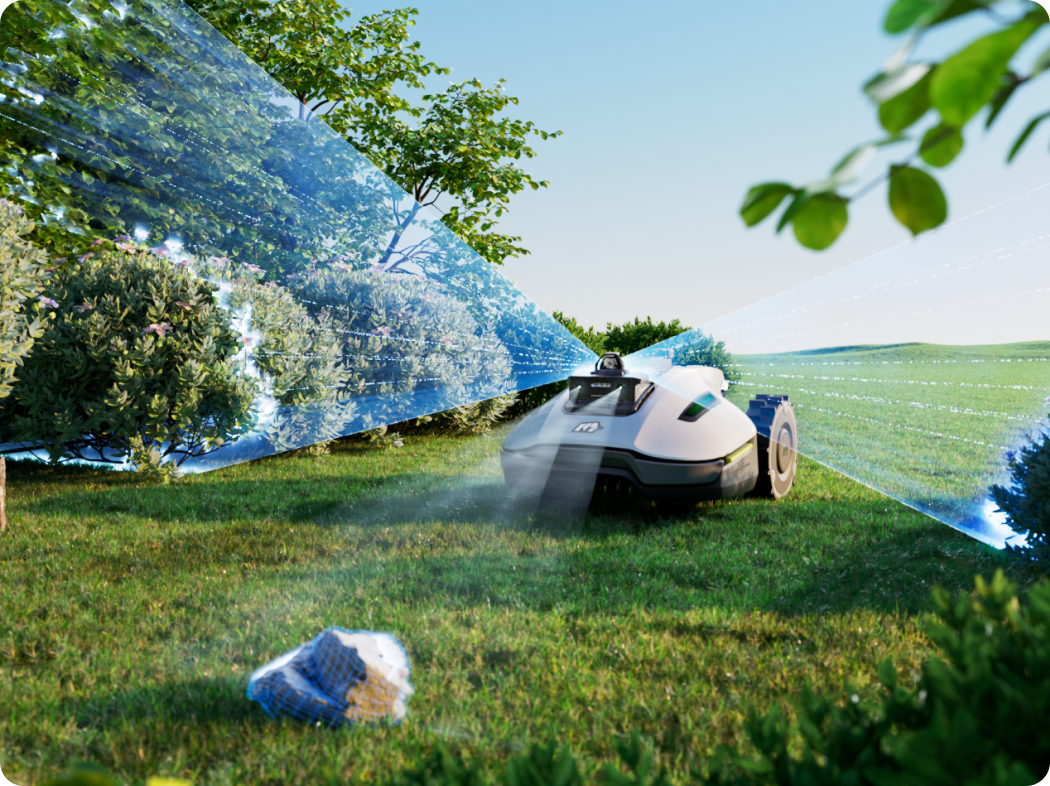
- Sensors help adjust movement
- Slipping may still occur on slopes or muddy areas
4. Smart scheduling and weather integration
Some advanced models adjust mowing schedules based on weather conditions.
- Delay mowing during rain
- Optimize cutting times for dry periods
- Reduce unnecessary wear on the mower
📌 Key takeaway
Robot mowers can handle light moisture, but most are designed to avoid mowing in wet conditions whenever possible.
Their features help reduce risk—but they don’t fully solve the problems caused by wet grass.
Tips for Safely Mowing in Wet Conditions
If you occasionally need to mow when the grass is damp, a few simple adjustments can help reduce problems and protect your robot mower.
1. Wait whenever possible
The best solution is still patience.
- Allow grass to dry after rain
- Avoid mowing during or immediately after rainfall
- Choose drier times of the day (late morning or afternoon)
Even a short wait can significantly improve results.
2. Keep blades sharp
Sharp blades make a noticeable difference in wet conditions.
- Cut more cleanly through damp grass
- Reduce tearing and uneven patches
- Help prevent clumping buildup
3. Clean the mower more frequently
Wet grass sticks easily to the underside of the mower.
- Check and clean the cutting deck regularly
- Remove built-up clippings after mowing
- Prevent long-term buildup and performance issues
4. Avoid slopes and problem areas
Wet grass reduces traction, especially on uneven terrain.
- Be cautious on hills or slopes
- Avoid muddy or soft soil areas
- Adjust mowing zones if needed
5. Adjust mowing schedule
Timing matters more when conditions are damp.
- Schedule mowing during drier parts of the day
- Avoid early morning if dew is heavy
- Use weather-aware scheduling if available
You can mow slightly wet grass with the right precautions—but better timing and maintenance make a big difference.
When possible, mowing dry grass will always give the best results.
What to Look for in a Robotic Mower for Wet Grass
If you live in an area with frequent rain or high humidity, choosing the right robot lawn mower is essential for maintaining a well-groomed lawn. Here are the key features to look for in a model that can handle wet grass effectively.
1. Rain Sensors & Smart Weather Detection
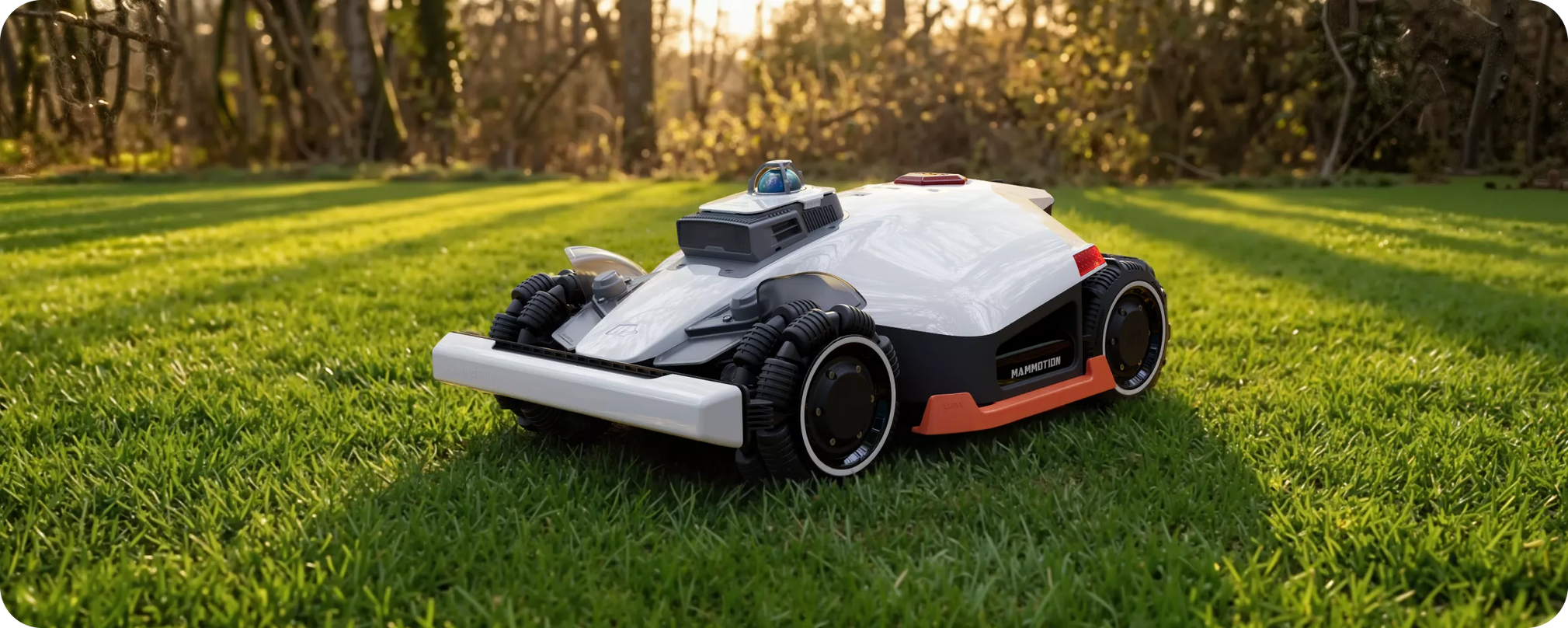
A good robotic lawn mower like Mammotion LUBA 3 AWD should have rain sensors that detect when it’s raining or when the grass is too wet. These sensors help prevent the mower from running in suboptimal conditions, which can lead to clumping and damage to the turf.

2. Strong Motor & High-Torque Performance
Mowing wet grass requires more power than dry grass, so a high-torque motor is essential. A powerful motor allows the mower to cut through thick, damp grass without slowing down or getting stuck.
3. Blade Type & Cutting System
The type of blades used in a robotic mower makes a significant difference when dealing with wet grass.
- Mulching Blades: These blades chop grass into fine pieces, helping prevent clumps from forming.
- High-Lift Blades: Designed to create airflow that lifts wet grass before cutting, ensuring an even trim.
- Floating Cutting Decks: Some mowers automatically adjust blade height based on grass thickness and moisture levels.
4. Waterproof Design & IP Rating
Since mowing in wet conditions increases the risk of water exposure, ensure your robotic mower has a good waterproof rating. The IPX4 rating or higher means the mower can handle light rain and damp conditions without damage.
5. Traction & All-Wheel Drive (AWD)
Wet grass can be slippery, especially on hilly or uneven terrain. A robot mower with high-traction wheels or all-wheel drive (AWD) ensures better grip, preventing the mower from slipping or getting stuck.
6. Smart Mowing Scheduling & App Control
Some robotic mowers allow users to schedule mowing times and adjust settings remotely via a smartphone app. This is particularly useful for avoiding wet conditions by setting mowing schedules around the weather forecast.
Tips for Maintaining Your Robot Lawn Mower in Wet Conditions
Mowing wet grass can put extra strain on your robot lawn mower, so proper maintenance is essential to keep it running efficiently and extend its lifespan. Follow these best practices to ensure your mower stays in top condition.
1. Clean the Blades and Undercarriage After Each Use
How to Clean:
- Use a soft brush or cloth to remove stuck grass clippings.
- If necessary, rinse the deck with water (if your mower is waterproof – check the manual!).
- Avoid using a pressure washer, as it can damage electronic components.
- Regularly sharpen or replace dull blades to ensure a clean cut.
2. Check and Dry the Wheels for Better Traction
How to Maintain:
- Wipe mud and wet grass off the wheels after mowing.
- If your mower struggles on wet terrain, consider upgrading to high-traction wheels (some brands sell them separately).
- Ensure the wheel motors remain free from debris to avoid excessive wear.
3. Protect Sensors and Charging Contact
How to Prevent Issues:
- Regularly wipe down sensors and cameras with a dry microfiber cloth.
- Keep the charging station area clean to prevent dirt buildup on the charging contacts.
- Store the mower in a dry, shaded location when not in use.
4. Store Your Mower Properly During Rainy Periods
Storage Tips:
- If your mower is not fully waterproof, store it in a covered docking station or shed.
- Use a robot mower garage or rain cover to protect the charging station.
- If you expect stormy weather, consider bringing the mower indoors.
5. Adjust Mowing Schedules Based on Weather Conditions
Smart Scheduling Tips:
- Use the app control (if available) to set mowing schedules based on the weather forecast.
- If rain is expected, pause mowing to avoid unnecessary strain on the mower.
- If you must mow after rain, wait until the grass is damp rather than soaking wet.
6. Perform Regular Maintenance Check
Checklist:
☑ Inspect Blades – Replace or sharpen them if they appear dull.
☑ Check Battery Life – Wet grass can cause extra resistance, draining the battery faster.
☑ Update Firmware – Many smart mowers receive software updates for better performance.
☑ Examine Wheels and Motors – Ensure they spin freely and are free from debris.
☑ Test Rain Sensors – If your mower has rain sensors, confirm they pause mowing when wet conditions are detected.
Conclusion
Robot lawn mowers offer convenience, efficiency, and automation, but wet grass presents unique challenges. While some high-end models are equipped to handle damp conditions, mowing wet grass can lead to clumping, traction issues, and added wear on your mower.
If you live in a rainy or humid climate, invest in a robot mower with rain detection, strong traction, and a waterproof design. However, when possible, it's still best to wait until the grass is dry before mowing to maintain your lawn’s health and extend the life of your mower.
By choosing the right robotic mower and following proper maintenance practices, you can keep your lawn in top shape—even in wet conditions!