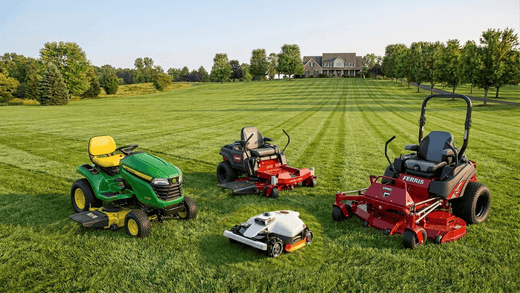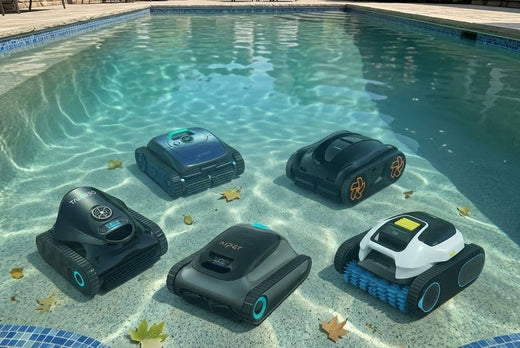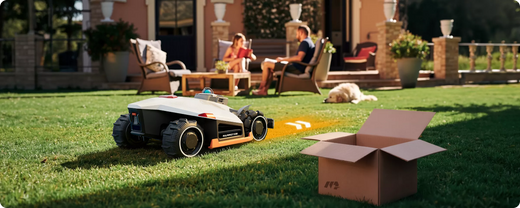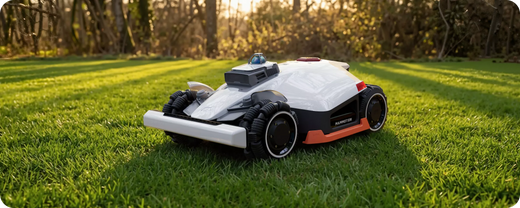




Robotic lawn mowers range from $800 to $5,000+ for residential use, and $4,000 to $25,000+ for commercial applications. The exact price depends on lawn size, navigation technology, terrain complexity, and long-term support. This guide breaks down the 2026 price tiers with real-world examples—so you can choose the right mower for your yard and budget.
2026 Robotic Lawn Mower Price Tiers at a Glance
The market has matured quickly since 2024. In 2026, wire-free navigation is no longer “premium-only”—it’s the new mainstream in the mid-range segment, driven by LiDAR/NetRTK and multi-sensor fusion.
2026 Robotic Mower Price Tier Table
|
2026 Tier |
Typical Price (USD) |
Typical Navigation / Boundary |
Best For |
What You’re Paying For |
Mammotion Fit (US) |
Practical Value Note |
|
Budget / Entry |
$800–$1,500 |
Camera-based mapping / basic LiDAR (often wire-free, simplified setup) |
Small lawns (≤ 0.25 acre), budget-first buyers |
Basic automation, simpler layouts, lower capacity |
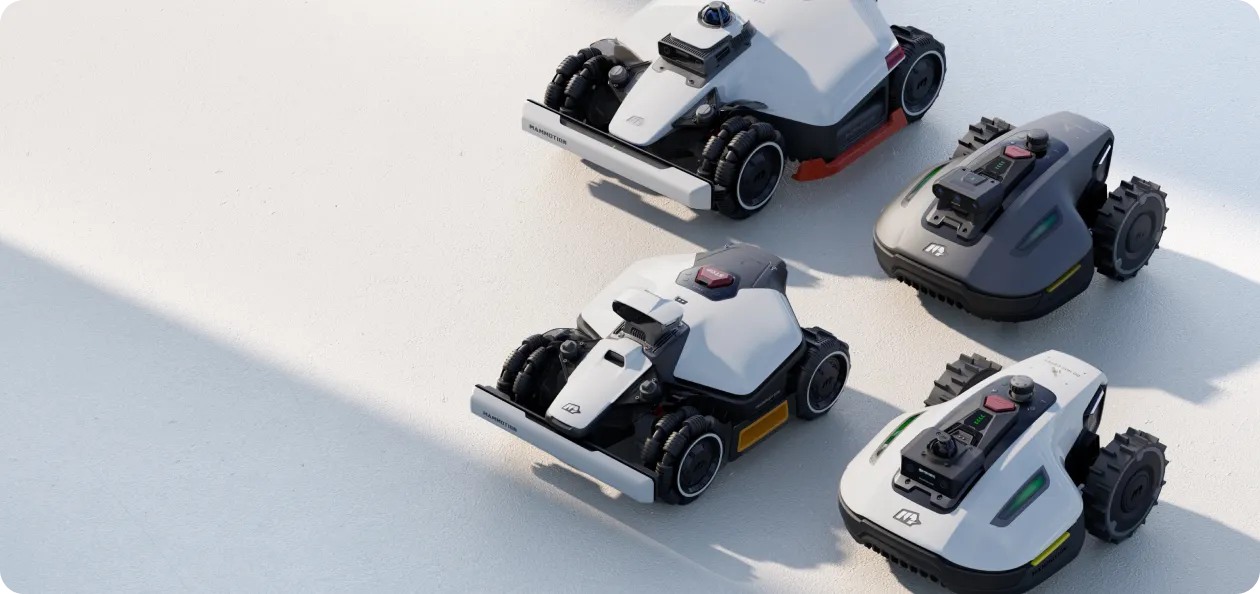
YUKA mini 2 1000H: $1,399 |
Strong value if you want an easy setup without stepping into RTK pricing |
|
Mid-Range (Wire-Free RTK) |
$1,500–$3,000 |
LiDAR / NetRTK + sensor fusion (virtual boundaries) |
Medium lawns, complex shapes, buyers avoiding perimeter wires |
Stable positioning, flexible virtual maps, higher efficiency |
LUBA mini 2 AWD 1500/1500H: $2,799 |
Wire-free, centimeter-grade positioning + AWD capability |
|
Premium Residential |
$3,000–$5,000+ |
Higher-spec NetRTK / advanced fusion systems |
Large lawns, multi-zone, demanding terrain |
Higher capacity, durability, traction, longer runtime |
LUBA 3 AWD 5000/5000H: $3,299 |
Best fit when coverage and terrain capability matter more than initial price |
|
Commercial / Enterprise |
$4,000–$25,000+ |
RTK/LiDAR + fleet management / commercial platforms |
Properties, campuses, sports fields, multi-unit operations |
Fleet ops, service contracts, uptime targets |
(Confirm Mammotion commercial configuration by project) |
Commercial pricing depends heavily on service, deployment, and fleet software—hardware alone is not the full cost |
What Determines the Cost of a Robotic Lawn Mower?
Understanding the cost of robotic lawn mowers starts with knowing the key factors that influence their price. These factors not only determine the upfront cost but also help match the mower’s features to your specific needs.
1. Navigation & Boundary Technology (the biggest price driver in 2026)
- Boundary-wire systems (legacy): Older designs require a perimeter wire buried around the lawn. They can be cheaper upfront, but installation is time-consuming and changes to landscaping often mean rework. In 2026, this segment is shrinking as buyers prefer virtual boundaries.
- RTK GPS (wire-free, mid-range standard): RTK delivers centimeter-level accuracy using satellite positioning. Many RTK mowers historically required a physical base station and careful placement.
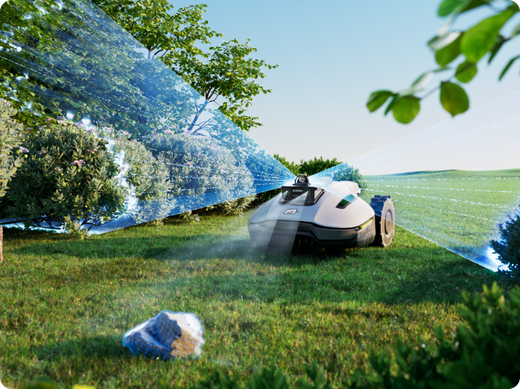
- NetRTK / LiDAR (2026 mainstream shift): The 2026 turning point is the growing availability of network RTK (NetRTK) and LiDAR, reducing the need for on-site RTK hardware and simplifying installation for more households.
- Mammotion Tri-Fusion sensor fusion (flagship approach): High-end systems combine LiDAR + RTK/NetRTK + AI vision so the mower can maintain reliable navigation across changing light, partial obstructions, and more complex lawn layouts.
2. Lawn Size and Coverage Capacity
Capacity determines battery size, motor output, runtime, and navigation workload.
- Small lawns (≤ 0.25 acre): Expect $800–$1,500. Mammotion YUKA mini 2 1000H ($1,399) targets this segment.
- Medium lawns (0.25–0.75 acre): Expect $1,500–$2,500. Many buyers upgrade here specifically for more stable virtual boundaries and multi-zone control.
- Large lawns (0.75–1.25 acres): Expect $2,500–$3,500, often with stronger traction and longer runtime.
- Very large residential/light commercial (1.25–2.5 acres): Expect $3,299–$4,500+. Example: Mammotion LUBA 2 AWD 10000HX ($4,499).
3. Terrain and Slope Handling
Flat lawns cost less to automate. As slope, bumps, and uneven ground increase, so do drivetrain requirements and the need for more robust navigation.
- Entry-level: generally suited for modest slopes.
- Higher tiers: better traction, higher torque, and improved stability on complex terrain.
4. Features That Commonly Raise the Price
- AI obstacle detection: safer, less babysitting
- Multi-zone management: better for front/back yards and separated areas
- AWD or advanced traction: stronger performance on slopes and uneven ground
- Longer runtime and faster charging: better coverage consistency
5. Brand, Support, and Total Cost of Ownership
In 2026, the “real cost” is not just the checkout price. It includes software updates, parts availability, warranty handling, and whether key features depend on subscriptions or paid services. For wire-free systems especially, long-term support and navigation reliability matter as much as hardware.
Is a Robotic Lawn Mower Worth It in 2026?
For most homeowners who mow regularly, yes—if your lawn matches the mower’s capability tier.
- Time savings: Robotic mowers can eliminate 20+ hours of seasonal mowing for many households while maintaining a consistent cut schedule.
- Cost comparison vs. lawn services: For homeowners paying recurring lawn-care visits, a mid-range wire-free mower can reach breakeven quickly—often within one to two seasons depending on local service rates.
- Ongoing costs: Electricity and blades are usually the main recurring costs; they are typically lower and more predictable than gas mower fuel and maintenance.
- Environmentally Friendly: Powered by rechargeable batteries, robotic mowers produce zero emissions, unlike gas mowers. This makes them an eco-friendly choice, reducing your carbon footprint and noise pollution.
When it may not be worth it
- Tiny lawns where manual mowing is minimal effort
- Extremely cluttered yards that require frequent manual intervention
- Very narrow access paths or restrictions that block autonomous movement
- Budgets so low that only underpowered models fit, creating frustration instead of convenience
When and Where to Buy a Robotic Lawn Mower

Timing and location play a significant role in getting the best deal on a robotic lawn mower. By planning your purchase around key sales events and choosing the right shopping channel, you can maximize your savings and convenience.
Best Time to Buy
Knowing when to purchase a robotic lawn mower can help you take advantage of discounts and promotions:
Holiday Sales
- Black Friday and Cyber Monday: These late-November shopping holidays feature steep discounts on electronics, including robotic lawn mowers, from both online and in-store retailers.
- Prime Day: Amazon’s annual sale, typically held mid-year, offers exclusive discounts on popular brands like Mammotion and WORX.
- Christmas and New Year Sales: Many retailers offer end-of-year clearance discounts to boost holiday sales.
Seasonal Discounts
- End-of-Summer Sales: As the mowing season ends in late August or early September, retailers often discount unsold inventory.
- Winter Discounts: Robotic mowers are in low demand during the off-season, making this the best time to find deep discounts on last year’s models.
Manufacturer Promotions
- Spring Offers: With new models launching in spring, older versions often see price cuts, offering great value for buyers who don’t need the latest technology.
- Bundle Discounts: Some manufacturers, like Mammotion, provide package deals with extras like installation kits or spare blades.
- Spring Promotions: As manufacturers release new models in the spring, they may offer promotional discounts on previous year's models. These deals can help you save money on a high-quality mower that might otherwise be out of your price range.
Best Places to Buy:
Choosing the right place to buy your robotic lawn mower depends on your priorities, such as price, convenience, or hands-on experience:
Online Shopping
Online platforms provide unparalleled convenience and variety:
Advantages:
- 1. Wide Selection: Retailers like Amazon, Walmart, and Home Depot offer extensive product ranges, including reviews and detailed specifications.
- 2. Exclusive Deals: Many online platforms offer special discounts, especially during major sales events.
- 3. Convenience: Products are delivered directly to your doorstep, and many sites offer easy returns if the mower doesn’t meet expectations.
Best Platforms to Consider:
- Amazon: Ideal for comparing multiple brands and reading customer reviews.
- Walmart: Frequently offers competitive pricing and bundle deals.
- Home Depot: A go-to source for detailed technical specifications and professional-grade models.
In-Store Shopping
Physical stores can provide a more tactile buying experience:
Advantages:
- 1. Hands-On Inspection: Examine the mower’s build quality and features in person.
- 2. Expert Advice: Sales staff can guide you based on your lawn’s size and specific needs.
- 3. Negotiation Opportunities: Some stores offer discounts on display models or allow price matching with online competitors.
Top Retailers:
- Lowe’s: Known for knowledgeable staff and installation services.
- Specialty Stores: Local gardening and lawn care shops often carry premium brands and may provide personalized recommendations.
Tips for Getting the Best Deal
- Sign Up for Newsletters: Many retailers and manufacturers offer exclusive discounts to newsletter subscribers. Signing up for updates from your favorite robotic mower brands and retailers can keep you in the loop on sales events and offers.
- Use Price Comparison Tools: Before making a purchase, use online price comparison websites or apps to check the price of your chosen mower across multiple retailers to ensure you're getting the best deal.
- Check for Rebates: Occasionally, manufacturers offer rebates or loyalty programs that can further reduce the cost. Always look for available rebates before completing your purchase.
Examples of high-end brands include Mammotion and premium Robomow models, which offer high-efficiency mowing and can easily handle lawns over 1 acre.
Conclusion
In 2026, the robotic lawn mower market is clearly segmented: budget mowers for small lawns, wire-free RTK mowers for mainstream homeowners who want virtual boundaries, premium models for large and demanding terrain, and commercial systems built around service and fleet operations.
If your primary question is robotic lawn mower cost, the most actionable next step is to pick your tier based on lawn size and the level of navigation stability you need—then compare total cost of ownership, not just MSRP.