


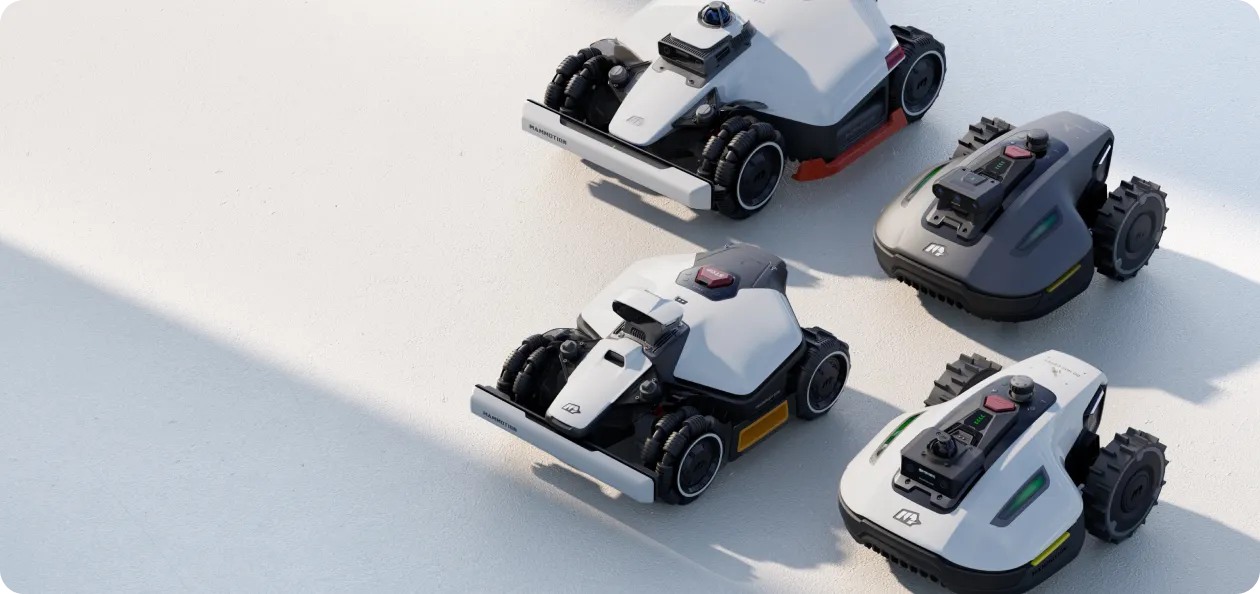

Choosing the right lawn mower isn’t just about picking a machine that fits your yard—it’s also about knowing what you should expect to pay for reliable performance and long-term value. With price ranges spanning from under $100 to well over $8,000, it can be difficult to figure out what counts as “a good mower” for your specific needs.
This guide breaks down real U.S. market prices, long-term ownership costs, lawn-size considerations, and the features that justify cost—so you can make an informed decision.
Lawn Mower Price Ranges (Realistic U.S. Market Data)
Below are the typical price ranges for each category based on nationwide retail data, manufacturer listings, and consumer reports.
|
Type of Lawn Mower |
Price Range |
Best For |
Pros |
Cons |
|
Push Reel Mower |
$70–$200 |
Small, flat lawns under ~2,000 sq ft |
No fuel, low maintenance, quiet |
Limited cutting height, struggles with tall grass |
|
Gas-Powered Push Mower |
$300–$9000 |
Small–mid lawns needing strong cutting power |
Good for thick or tall grass |
Fuel, oil, filters, higher maintenance |
|
Electric/Battery Push Mower |
$250–$650 |
Small to medium lawns |
Low noise, low maintenance, good for suburban lots |
Battery replacement every 3-5 years ($80–$200) |
|
Self-Propelled Mower (Gas or Electric) |
$400–$1,500 |
Medium–large lawns, slopes, uneven terrain |
Easier to push, more features |
Heavier and costlier to repair |
|
Riding Mowers / Lawn Tractors |
$2,500–$5,500 |
½ acre to 2 acres |
Fast, versatile, high-power |
Higher fuel use and yearly maintenance |
|
Zero-Turn Mowers |
$3,500–$8,500+ |
1+ acre or complex landscapes |
industry-leading speed and maneuverability |
Expensive, steeper learning curve, pricey repairs |
|
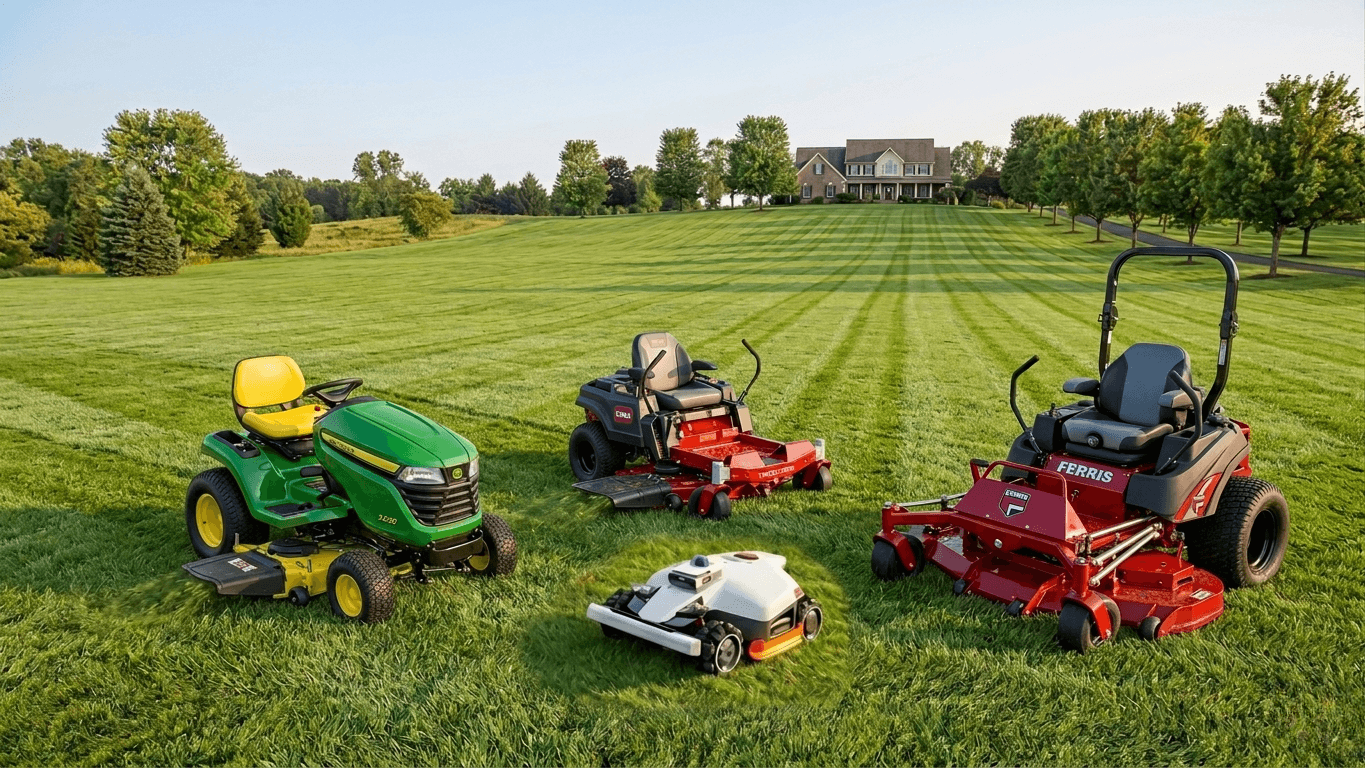
Robotic Lawn Mower |
$800–$5,000+ |
Homeowners wanting automated maintenance |
Quiet, low effort, energy-efficient, consistent cut |
Price varies widely based on mapping, sensors, and capability |
Total Cost of Ownership (TCO): What Really Determines Value
Many buyers focus only on the upfront price of a lawn mower, but the real question is how much this mower will cost over 5–10 years?
Below are typical ongoing expenses per mower type:
| Lawn Mower Type | Yearly Cost |
| Push Reel Mower |
|
| Gas-Powered Push Mower |
|
| Electric/Battery Push Mower |
|
| Self-Propelled Mower (Gas or Electric) |
Same as gas, plus:
|
| Riding / Zero-Turn Mowers |
|
| Robotic Lawn Mower |
|
Robot mowers often have lower TCO compared to riding or gas-powered machines due to fewer moving parts and lower energy use.
What Features to Expect at Every Budget Range
The cost of a lawn mower is influenced by its features, performance, and durability. Here's what you can expect:
Under $300 – Basic, No-Frills Performance
- Manual push mowers and entry-level gas models.
- Ideal for small, flat yards with minimal obstacles.
- Limited features, basic cutting power, and reduced durability.
- Often require more manual effort and maintenance.
$300–$800 – Mid-Range Reliability
- Includes quality gas and electric push mowers, plus entry-level self-propelled options.
- Offers features like adjustable cutting heights, bagging/mulching options, and better build quality.
- A good balance of value and convenience for small to medium lawns.
$800–$2,000 – Smart Technology and Power
- Advanced self-propelled and mid-high-tier robotic models fall here.
- Expect GPS navigation, app-based scheduling, and weather detection in robotic units.
- Built for frequent use and greater terrain adaptability.
$2,000+ – Premium Automation and Performance
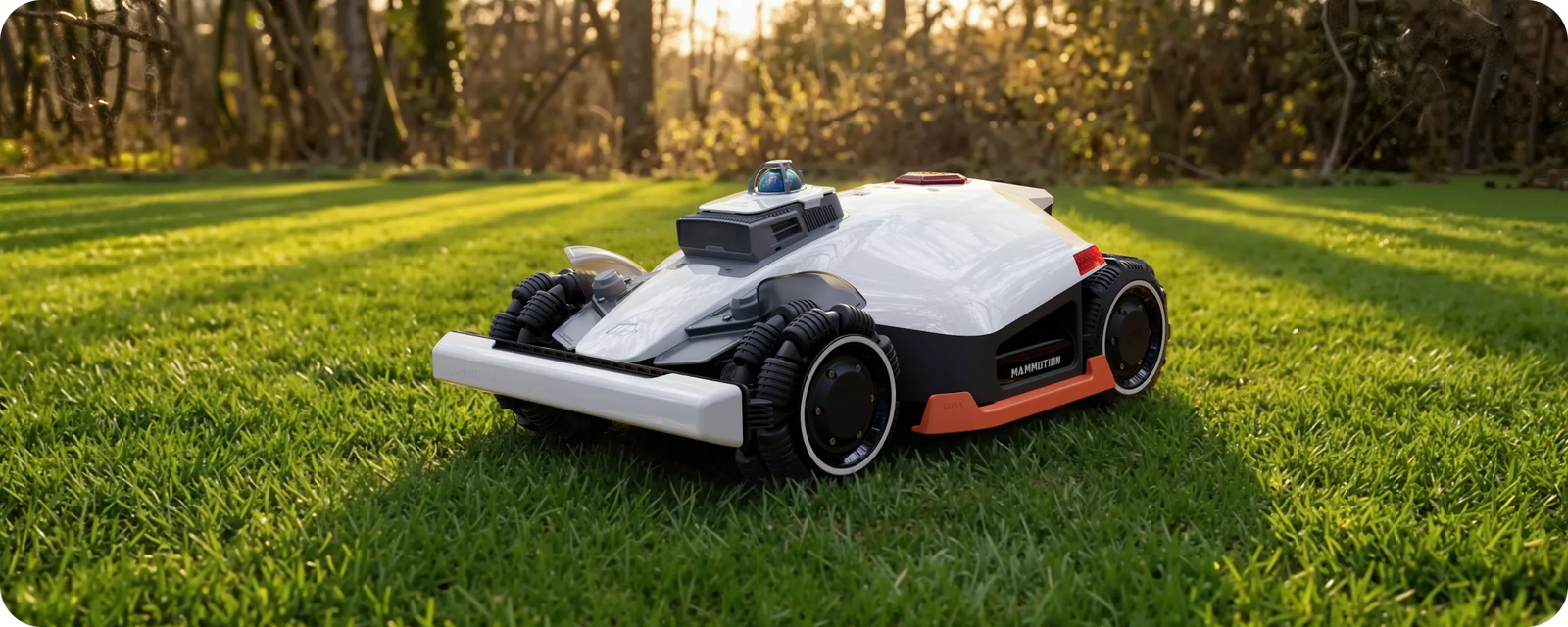
- High-end robotic and riding mowers. Robotic mowers like Mammotion LUBA 3 and riding mowers.
- Cutting-edge technology such as multi-zone management, boundary-free navigation, and powerful engines.
- Perfect for large, challenging properties or those seeking automation.

How to Choose the Right Lawn Mower Price Range
Choosing the right price range starts with understanding your yard’s size, layout, and how involved you want to be in lawn care. Here’s how to match your budget to your actual needs:
1. Lawn Size and Coverage Area
- Small Lawns (<1/4 acre): Go for push mowers ($100–$600) or entry-level robotic mowers ($800+). These are sufficient for tight, flat spaces and simple weekly maintenance.
- Medium Lawns (1/4–1/2 acre): A self-propelled mower ($400–$1,000) offers comfort and efficiency. Mid-tier robotic mowers ($1,500–$2,500) can handle moderate complexity with less manual effort.
- Large Lawns (>1/2 acre): Invest in a high-end robotic model or a riding mower ($2,000+). These are built for extensive lawns and can save hours of time per week.
2. Terrain and Layout Complexity
- Flat, Open Lawns: Basic push or battery mowers work well and are cost-effective.
- Sloped or Obstacle-Filled Lawns: Choose self-propelled mowers with all-wheel drive or robotic mowers equipped with GPS and obstacle avoidance for smoother performance.
3. Your Lifestyle and Time Commitment
- Time-Conscious Users: Robotic mowers provide “set-it-and-forget-it” convenience. Perfect for homeowners who want great results with minimal time investment.
- Budget-Conscious Users: Gas and electric push mowers offer solid value and performance without high upfront costs. You’ll trade time for money, but not necessarily lawn quality.
Is It Worth Paying More for a High-End Lawn Mower?
If you're wondering whether spending $1,000 or more on a lawn mower is really justified, the answer depends on your priorities. In many cases, a higher upfront investment delivers long-term value.
1. Time-Saving Automation:
Robotic mowers like the Mammotion LUBA 2 can manage your entire lawn on a set schedule—no pushing, pulling, or weekend yard work. For homeowners with busy lifestyles, the convenience of automation can be a game-changer.
2. Long-Term Durability and Reliability
Higher-end mowers often feature stronger build quality, better materials, and advanced components. This means fewer breakdowns, less frequent maintenance, and a longer lifespan—saving you money and hassle over time.
3. Eco-Friendly Operation
Many premium models, especially battery-powered and robotic mowers, operate quietly and produce zero emissions, making them ideal for eco-conscious homeowners or noise-sensitive neighborhoods.
4. Smart Features and Customization
Top-tier robotic mowers include features like:
- GPS-based navigation
- Multi-zone control
- App-based monitoring
- No-go zones and customizable mowing schedules
These intelligent systems offer unmatched precision and control that basic models simply can’t match.
Real-World Example:
The Mammotion LUBA 2 is designed for large and complex lawns. It features boundary-free navigation, RTK positioning, and AI obstacle avoidance, making it well worth its $2,000+ price tag for homeowners who prioritize convenience, precision, and autonomy.

Tips for Getting the Best Value on a Lawn Mower
Buying a lawn mower isn’t just about the sticker price—smart buyers consider long-term performance, operating costs, and overall value. Here’s how to make sure you get the most for your money:
1. Time Your Purchase for Maximum Savings
Look for deals during off-season sales in late fall (October–November) or around major holidays like Labor Day, Black Friday, and Cyber Monday. Retailers often offer steep discounts to clear out inventory, with potential savings of up to 25%.
2. Consider Certified Refurbished Models
Refurbished mowers from reputable brands are thoroughly tested, cleaned, and repaired—offering premium features at a lower price. This is especially useful if you're eyeing high-end robotic mowers but working within a budget.
3. Don’t Just Compare Price—Compare Total Ownership Cost
Factor in:
- Maintenance frequency (e.g., blade replacements, software updates)
- Energy or fuel costs
- Longevity and warranty coverage
A cheaper model may cost more in the long run if it needs frequent repairs or uses more power.
4. Match Features to Your Lawn's Needs
Avoid paying extra for features you won't use. For example, a GPS-based robotic mower is great for large, complex lawns—but overkill for a tiny, flat yard. Focus on what adds real value based on your property and lifestyle.
Final Tip: Read user reviews and expert comparisons before you buy. Real-world feedback helps identify which models perform well in the long term—and which ones aren’t worth the hype.
Final Thoughts: Find the Best Lawn Mower for Your Budget
Whether you're a first-time buyer or upgrading an old mower, the key is to match your investment with your yard’s needs. For small, simple lawns, a $300 mower may be perfect. But for large or high-maintenance landscapes, a robotic or riding mower over $1,500 offers unmatched efficiency. For those ready to embrace automation, premium robotic mowers like the Mammotion LUBA 2 are a worthy investment for large and challenging properties. Evaluate your needs, compare features, and shop smartly to find the perfect fit.
Ready to explore top-rated mowers?
Check out our in-depth reviews of best robotic mowers and best mowers under $1000 to find your perfect match.
Frequently Asked Questions
1. How to pick a good lawn mower?
Pick the mower that matches your lawn size and terrain first, then choose the power source (battery vs. gas) and features (deck size, bagging/mulching, self-propel) that fit how you like to mow.
Pick a Good Lawn Mower (quick steps):
- Measure your lawn & time per mow: Tiny/flat (<¼ acre): reel/corded/battery push; small–medium (¼–½ acre): 20–22" battery or gas walk-behind; larger or hilly: self-propelled; ≥½–1 acre: riding/zero-turn.
- Match to terrain & clippings: Self-propel and larger rear wheels help on slopes; want less cleanup? Choose a deck that mulches well or includes a decent bag.
- Pick a power source: Battery = quieter/low-maintenance; gas = longest continuous runtime & maximum power in tall/wet grass.
- Check storage & maintenance: Fold-up storage, quick height levers, and easy blade access matter more than you think; gas adds oil/filters/plugs, battery avoids most of that.
2. What to know before buying a lawn mower?
Know your yard’s size, slope, grass conditions, local rules (noise/emissions), and how much maintenance you’re willing to do before you buy a lawn mower.
Yard size and slope determine deck width and drive type. Dense or wet grass favors higher-power options. Some places restrict small off-road engines (new gas lawn equipment sales phased out in California starting in 2024), and battery models cut noise and maintenance significantly compared with gas.
3. Which is better, a petrol or battery lawn mower?
For most small-to-mid-size suburban lawns a modern battery mower is better overall, while petrol (gas) is best if you need long, uninterrupted runtime and maximum power for tough conditions.
Consumer Reports finds current battery mowers cut well with far less noise, fumes, and upkeep (no oil, plugs, or fuel storage), but gas still wins for heavy, continuous work and quick “refuel and go.” Some regions are tightening rules on small gas engines, tilting the balance further toward battery over time.
4. Should I get a battery or gas lawn mower?
Get battery if your yard is ≤½ acre and you value low noise/maintenance; choose gas if you regularly mow >½ acre in one session or tackle tall/wet grass and want instant refueling.
Fast decision rules for buying a battery or gas lawn mower:
- Battery—best fit: ≤½ acre, typical weekly mowing, want quiet and low maintenance, easy storage, and no fuel handling.
- Gas—best fit: Large area or multiple lawns per session, frequent wet/tall cuts, you don’t mind routine maintenance.
5. How to get a deal on a lawn mower?
Shop late summer through early fall (end-of-season) and hit holiday sales, then stack open-box/refurb, bundle batteries, and last-year models for the best prices.
Steps for Getting a Deal Lawn Mower:
- Time it right: August–October is typically the cheapest window; look for Labor Day, Memorial Day, and Father’s Day promos.
- Buy end-of-season stock/last-year models: Retailers discount to clear floor space.
- Look for battery bundles: Kits with an extra battery/charger can beat separate purchases.
- Consider open-box/refurb & local classifieds: Returns and lightly used mowers can be big value (verify warranty & battery health).
6. How to know what kind of lawn mower to buy?
Choose the mower type by lawn size/complexity first—reel/corded/battery push for small, self-propelled for bigger or hilly, riding/zero-turn for large acreage—then pick features you’ll actually use.
Extension and retail guides consistently map mower types to lawn size and terrain (deck width, drive, bagging/mulching), which is the most reliable way to land on the “right” category before comparing brands.
7. What time of year is it cheapest to buy a mower?
End of mowing season—roughly August through October—is usually the cheapest time to buy, with additional strong sales around Memorial Day and Labor Day.
Deal-tracking and buyer’s guides point to late-summer/early-fall clearance for the biggest markdowns, and national holiday promos as the next-best opportunities; Consumer Reports’ seasonal coverage of mower markets reflects the same pattern.
8. Which type of lawn mower is best?
The “best” type depends on your lawn—battery walk-behind for most small/medium yards, gas walk-behind for heavy/continuous cutting, riding/zero-turn for large acreage, reel for tiny flat lawns, and robotic if you want hands-off mowing.
Testing and buying guides (CR/Home Depot) show battery walk-behinds now cover most suburban needs with lower noise and upkeep; gas still excels at power and runtime; riding and zero-turn models drastically cut time on big properties; reel mowers are cheap and eco-simple; robots trade upfront cost for ongoing convenience.
9. How to pick the right lawn mower?
Start with yard size & slope → choose mower class, then pick power source & deck size, and finally prioritize features that matter to you (self-propel, bagging/mulching, storage).
Condensed checklist of Pick a Right Lawn Mower:
- Yard ≤¼ acre (flat): 14–20" reel/corded/battery push.
- ¼–½ acre or hilly: 20–22" self-propelled battery/gas.
- >½–1 acre: lawn tractor/zero-turn.
Must-have features: reliable height adjustment, decent bag, good mulching, fold-up storage if space-limited.
10. What is the average total cost of the mowers?
Expect walk-behind battery or gas mowers to cost roughly US$600–$1,000 over five years, depending on energy/fuel prices, maintenance, and (for battery) whether you replace a pack—while riding mowers start in the low thousands just to buy.
What goes into “total cost” + a concrete example:
- Typical purchase price ranges (new): reel $80–$250, electric push $150–$600, gas push $250–$800, self-propelled $300–$1,500, riding $1,500–$4,000+, robotic $800–$5,000+.
- Energy/fuel today: U.S. regular gasoline averaged $3.13/gal on Aug 18, 2025; residential electricity has averaged about 17¢/kWh in 2025 to date.
- Maintenance & consumption: ~0.5 gal/hour fuel use for a walk-behind plus about $21/year in routine maintenance for gas; battery models largely avoid those tune-ups.
- Battery replacement (if needed): Popular packs cost roughly $200–$330.
5-year walk-behind example (¼-acre lawn, ~45 min/mow, 30 mows/yr):
- Gas self-propelled: Purchase $400 + fuel (~$35/yr) ×5 + maintenance ($21/yr) ×5 ≈ $681 total.
- Battery self-propelled: Purchase $600 + electricity (~$1.65/yr) ×5 + sharpening/incidentals ($10/yr) ≈ $658; with one battery replacement at $330, ≈ $988.
Takeaway: For typical suburban use, 5-year ownership costs of battery and gas walk-behinds are now in the same ballpark, with battery offering quieter operation and less routine maintenance; riding and robotic categories cost far more up front.
Did you like this article? Add us as a preferred source to find us more easily on Google.