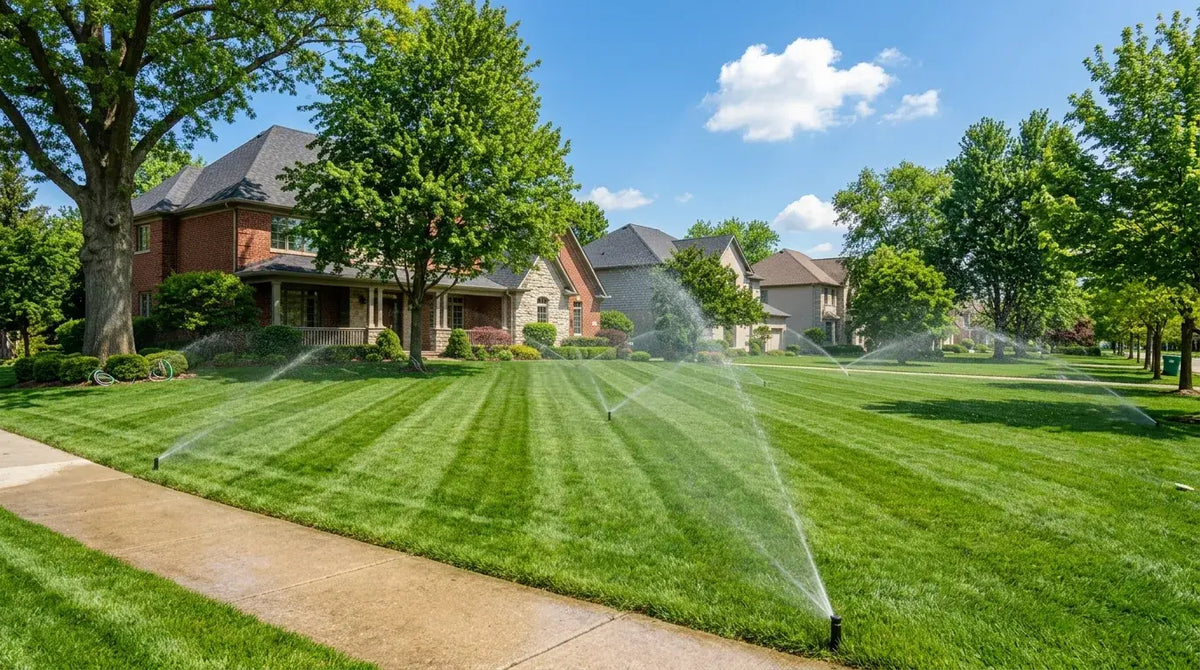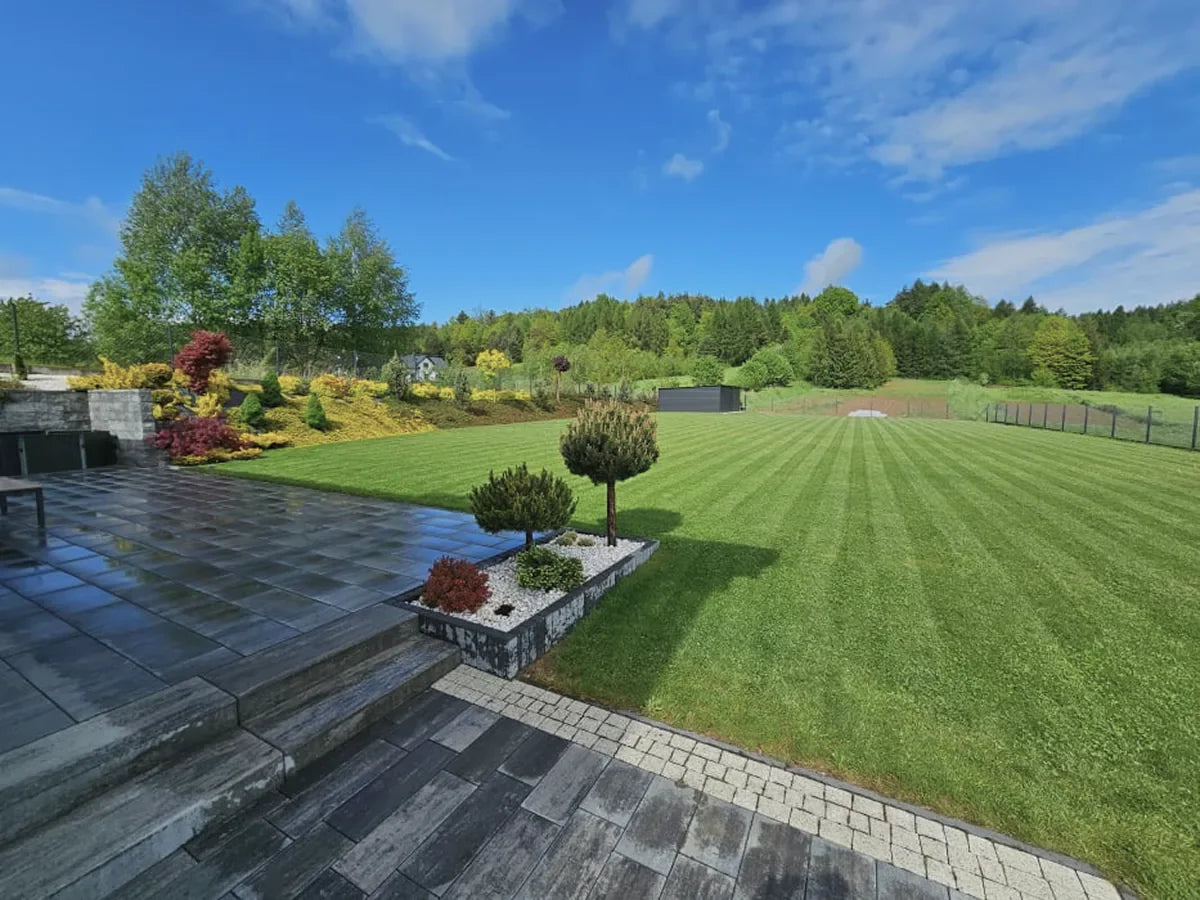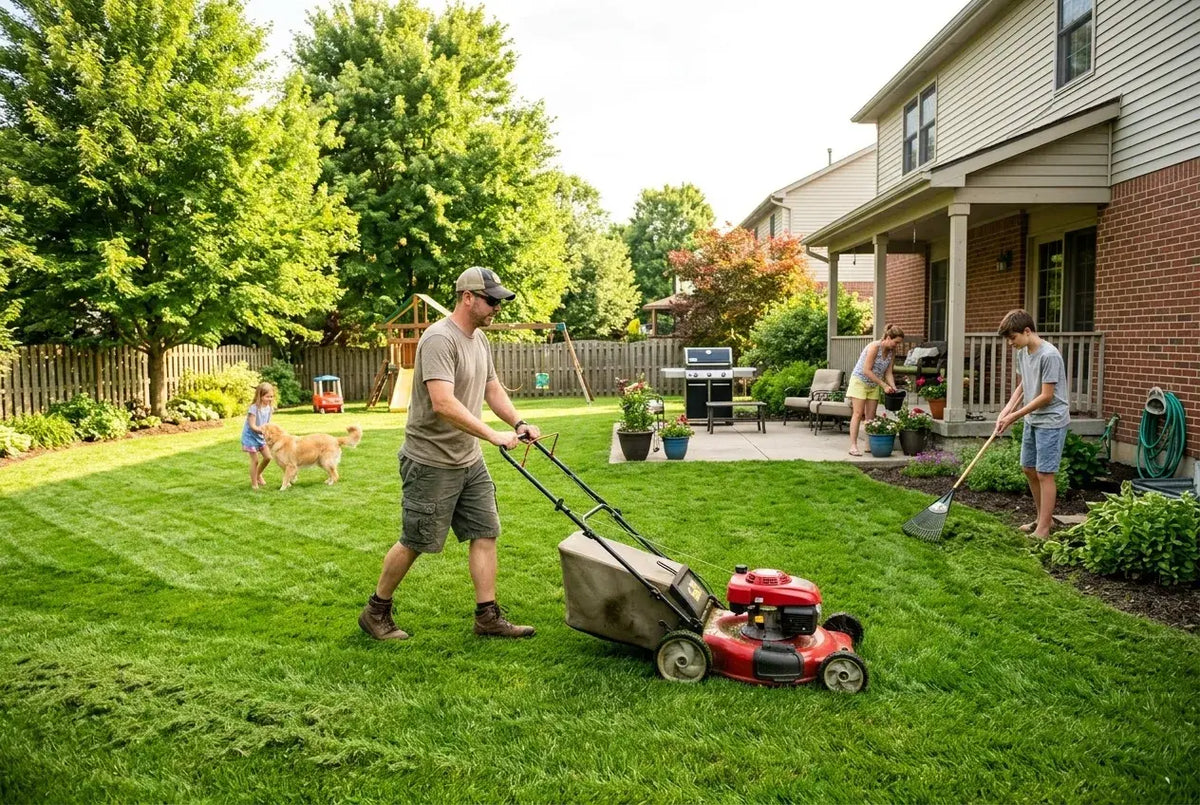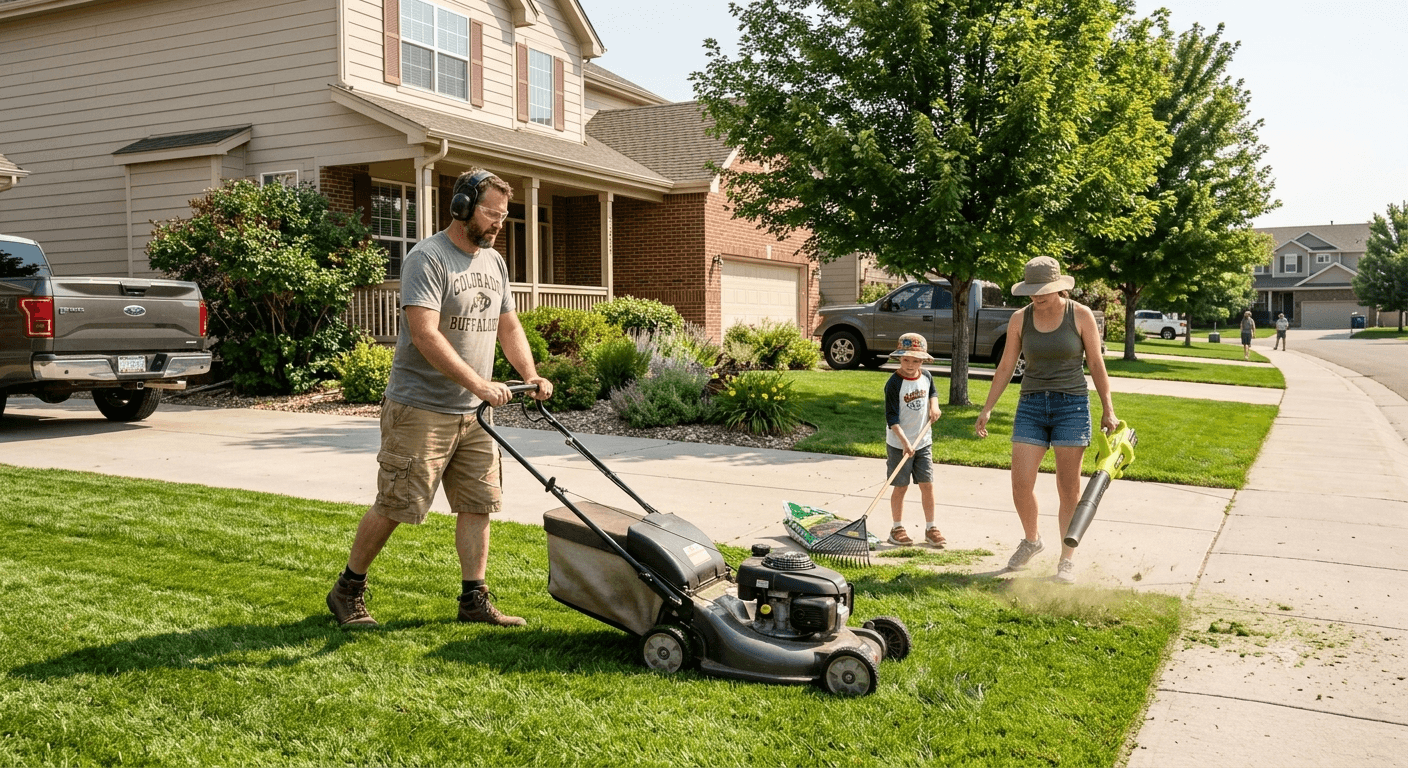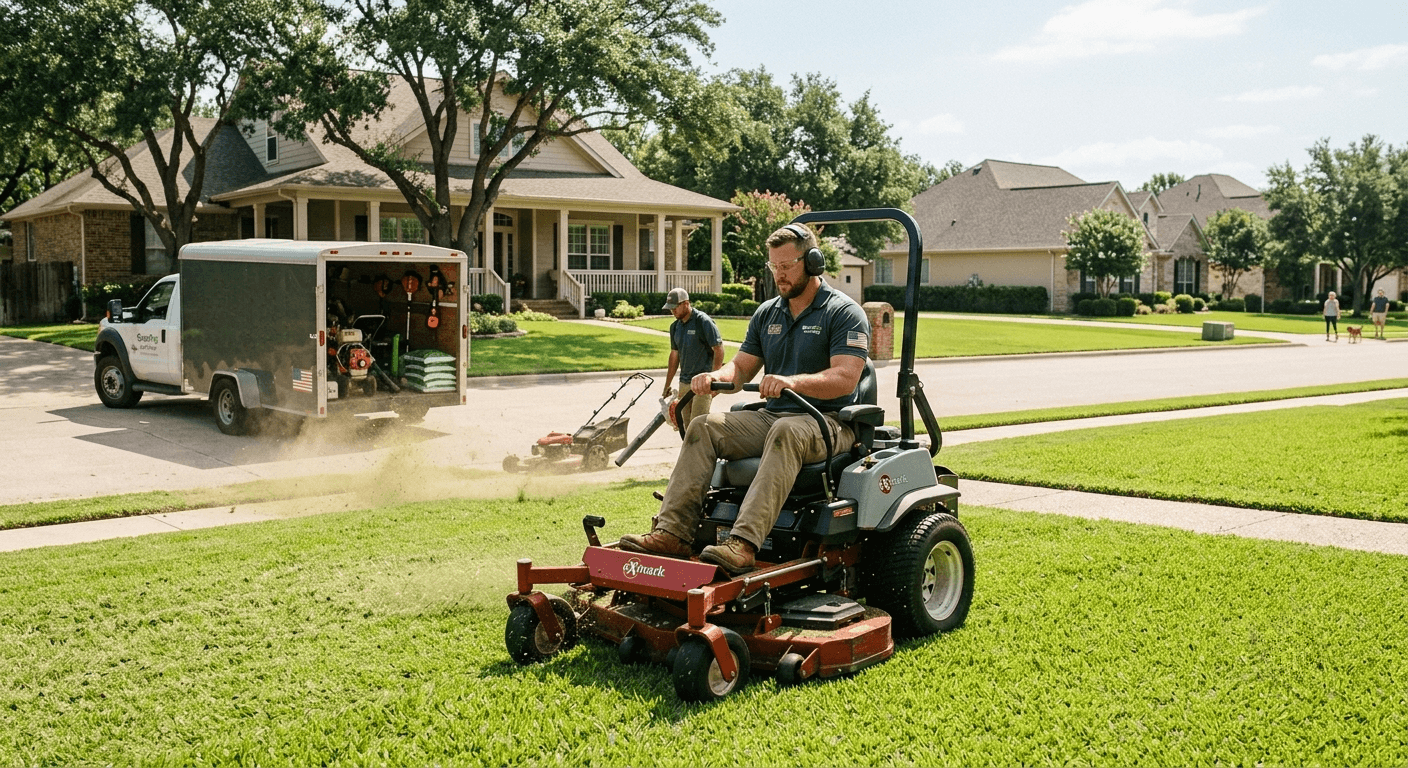



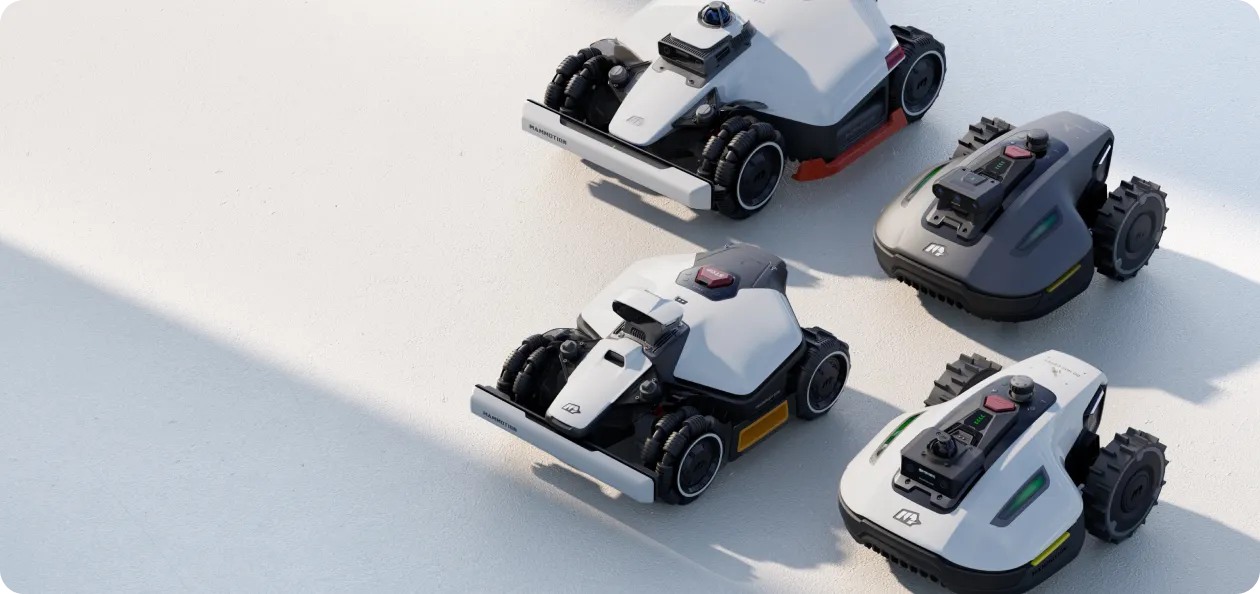
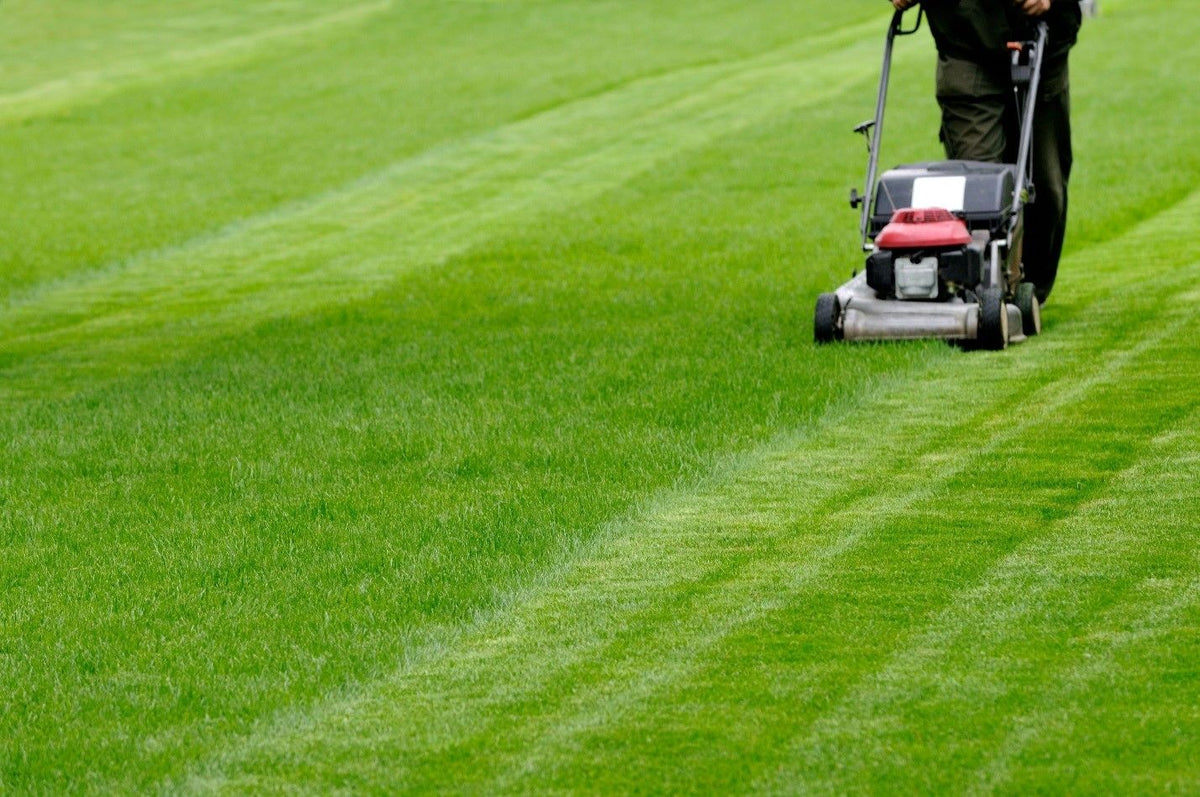
The best time to mow lawn is usually during a cooler part of the morning or evening, after the grass has dried from morning dew or rain. Rather than following one fixed clock time, look for a mowing window when the Grass Blade is dry, the lawn is actively growing, and heat or drought stress is limited. Mid-morning and late afternoon can often provide practical options, while the hottest part of the day and wet conditions are generally less suitable.
So, when is the best time to mow the lawn? It depends on the time of day, weather, season, grass type, and current lawn condition. This guide explains how to choose the right mowing window and when it is better to wait.
When Is the Best Time to Mow the Lawn?
The best time to mow the lawn is usually during a cooler part of the morning or evening, after the grass has dried from dew or rain. 8–10 AM may work on many days, but it is not a universal rule. The right mowing window depends more on grass moisture, temperature, active growth, and turf stress than on one fixed clock time.
Before starting, check these four conditions:
- Grass is dry: Wait for Morning Dew or rain to evaporate before mowing.
- Temperatures are moderate: During hot weather, favor a cooler morning or evening instead of the hottest part of the day.
- The lawn is actively growing: If drought or extreme weather has stopped growth, reduce or pause routine mowing.
- Mowing height is appropriate: For a typical residential Midwest lawn, UMN Extension recommends maintaining about 3 inches or higher and removing no more than one-third of the leaf tissue at a time.
The key takeaway is simple: the best mowing time is a condition, not a specific hour. If the grass is dry, the lawn is growing, and heat or drought stress is manageable, you have a better mowing window than you would simply because the clock says a certain time.
For a broader overview of mowing height, frequency, technique, and other lawn-care fundamentals, see our complete guide to lawn mowing.
What Is the Best Time of Day to Mow Lawn?
The best time of day to mow the lawn is generally a cool, dry period such as mid-morning or late afternoon, with 8–10 AM and 4–6 PM serving as practical reference windows rather than strict rules. The actual choice should follow grass moisture, local weather, and Turf stress; Iowa State Extension specifically recommends cool morning or evening conditions after rain or Morning Dew has dried.
| Time | Practical Window | Recommended? | What to Know |
|---|---|---|---|
| Early morning | 6–8 AM | ⚠️ Depends | Wait if Morning Dew is still covering the grass |
| Mid-morning | 8–10 AM | ✅ Usually | Often a practical window after dew dries and before stronger heat |
| Midday | 11 AM–3 PM | ❌ Usually avoid | Hot conditions can add stress to the Turf |
| Late afternoon | 4–6 PM | ✅ Usually | Good alternative when the grass is dry and temperatures are easing |
| Evening | 6–8 PM | ⚠️ Depends | Suitable if the grass is dry; avoid mowing wet turf |
These ranges are practical reference windows, not universal cutoffs. If dew remains on the lawn at 8 AM, wait. If the lawn is already under strong heat or drought stress in the afternoon, a later clock time does not automatically make mowing appropriate.
Is Early Morning Too Early to Mow?
Early morning is not automatically too early, but 6–8 AM may be too early when Morning Dew is still wetting the Grass Blade. Check the turf rather than relying on the clock: if the grass is visibly wet, wait for it to dry before mowing. Iowa State Extension recommends mowing after morning dew has dried, even when the air temperature is otherwise favorable.
Is Mid-Morning a Good Time to Mow?
Yes, mid-morning can be a practical mowing period when the dew has dried and daytime heat has not become excessive. 8–10 AM is best treated as a reference window rather than a rule; if the grass is still wet, wait, and if temperatures are already stressing the lawn, choose another cooler dry period.
Is Evening a Good Time to Mow?
Yes, evening can be suitable when the grass is dry and daytime heat has eased, particularly when morning conditions were too wet or your schedule prevents earlier mowing. A cooler evening is not automatically better, however, because the lawn still needs to be dry and free from significant heat or drought stress.
Should You Mow the Lawn in the Morning or Evening?
Both morning and evening can be suitable times to mow, and neither is universally better because the decision depends on grass moisture, temperature, soil condition, and Turf stress. Morning works well after dew dries and before daytime heat builds, while evening can work after temperatures fall, provided the grass remains dry.
| Factor | Morning | Evening |
|---|---|---|
| Grass moisture | Wait for Morning Dew to dry | Make sure the grass has not become wet again |
| Temperature | Usually cooler before daytime heat builds | Usually cooler after the day's peak |
| Heat stress | Good option before heat increases | Good option after heat decreases |
| Soil condition | Check that soil is firm enough for mowing | Check for soft soil after watering or rain |
| Best use | Dry lawn + cool morning | Dry lawn + cooler evening |
When Is Morning Mowing Better?
Morning is a useful choice when the grass has dried from dew and temperatures are still comfortable. This can be particularly helpful during hot weather because mowing before the strongest daytime heat avoids adding mowing stress during the hottest part of the day.
When Is Evening Mowing Better?
Evening is a useful alternative when the morning was too wet or your schedule does not allow morning mowing, provided the grass is dry and the lawn is not already heavily heat- or drought-stressed. Choose the cooler dry window rather than assuming that evening is always better than morning.
The practical rule is simple: choose the cooler dry window, whether that occurs in the morning or evening.
When Should You Avoid Mowing Wet Grass?
Avoid mowing when the grass is still wet from Morning Dew, rain, or irrigation, because wet Grass Blades are harder to cut cleanly and wet clippings can interfere with mower operation. Wait until the grass has dried and the Soil is firm enough for the mower to travel without leaving obvious tracks. For more details on cutting wet grass, see our guide, Can You Mow Wet Grass? When to Wait and When It’s Safe.
Can You Mow After Rain?
You can mow after rain once the grass and soil have dried enough, rather than waiting for a fixed number of hours. Light rain may leave the lawn ready sooner, while heavy rain can leave the soil soft for longer. Mowing saturated soil can damage the turf and leave visible wheel ruts.
How Can You Tell if Grass Is Dry Enough to Mow?
The lawn is generally ready when the Grass Blade is no longer visibly wet, clippings do not form heavy wet clumps, and the Soil is firm enough to support the mower without obvious tracking. A quick inspection before starting can prevent a poor mowing pass.
Use this quick check before starting the mower:
- Touch the Grass Blade: It should not feel noticeably wet.
- Check for clumping: Wet clippings tend to stick together instead of dispersing evenly.
- Check the Soil: Walk across the lawn first. If your shoes sink or leave obvious impressions, wait.
- Check the mower path: The mower should move without leaving deep tracks or compressing the Turf.
Should You Mow During the Hottest Part of the Day?
It is generally better to avoid mowing during the hottest part of the day, especially when the lawn is already experiencing Heat or Drought Stress. Iowa State Extension recommends cooler morning or evening conditions and notes that midday mowing can add stress to the turf.
If the lawn is dry but visibly stressed by heat or drought, waiting for better growing conditions can be more appropriate than mowing simply because the grass has reached your normal mowing height.
How Does the Best Mowing Time Change With the Season?
The best mowing time changes with temperature, grass growth, and lawn stress, not with a universal calendar date. During active growth, mow when the grass is dry; during hot weather, favor cooler periods; and when drought or extreme weather causes growth to stop, reduce or pause routine mowing until the lawn resumes active growth.
| Season / Condition | Best Mowing Approach | What to Watch For |
|---|---|---|
| Spring | Mow when grass is actively growing and dry | Avoid mowing saturated soil after spring rain |
| Summer | Favor cooler morning or evening | Heat and drought stress may require less frequent mowing |
| Fall | Continue mowing while grass is actively growing | Keep mowing as needed rather than following a fixed date |
| Drought / Dormancy | Pause mowing when growth has stopped | Do not mow dormant or severely stressed grass |
What Is the Best Time to Mow in Summer?
In summer, a cool morning or evening after the grass has dried is generally a better mowing window than the hottest part of the day. This becomes more important when the lawn is already experiencing heat or drought stress, because Iowa State Extension notes that midday mowing can add stress to Turf.
Mowing height also matters in summer. For the typical residential Midwest lawn covered by UMN guidance, maintaining about 3 inches or higher and increasing mowing height by about 1 inch during midsummer can help the lawn tolerate heat and drying winds.
Should You Mow a Dormant Lawn?
Generally, no. If drought or extreme weather has caused the grass to enter dormancy and active growth has stopped, routine mowing should be paused until the lawn resumes growth. Mowing dormant or severely stressed turf can add unnecessary mechanical stress instead of providing a normal maintenance benefit.
How Does Grass Type Affect the Best Time to Mow?
Grass type affects the best mowing time because cool-season and warm-season grasses grow most actively under different temperature conditions. However, the basic rule stays the same: mow when the Turf is actively growing, the Grass Blade is dry, and the lawn is not under excessive heat or drought stress.
| Grass Type | Common Examples | Mowing Consideration |
|---|---|---|
| Cool-season grass | Kentucky bluegrass, fescues, perennial ryegrass | Growth is strongest during cooler periods, so avoid adding mowing stress during extreme summer heat |
| Warm-season grass | Bermuda, zoysia, St. Augustine | Active growth is concentrated in warmer conditions, but mowing during extreme heat or drought stress can still be undesirable |
Does Mowing Height Matter as Much as Mowing Time?
Yes. Mowing height and mowing timing work together because cutting too much leaf tissue can add stress even when you choose a suitable time of day. We recommend maintaining a typical residential Midwest lawn at about 3 inches or higher and removing no more than one-third of the leaf tissue at one mowing. During midsummer, it also recommends raising mowing height by about 1 inch to help the lawn cope with heat and drying conditions.
That means choosing the right time is only part of the decision. If the lawn is already heat- or drought-stressed, maintaining an appropriate mowing height can be just as important as waiting for a cooler mowing window.
How Can You Tell If It Is a Good Time to Mow?
You can usually tell it is a good time to mow when the grass is dry, the soil is firm, the lawn is actively growing, and temperatures are not placing excessive stress on the Turf. Instead of checking the clock alone, use these conditions to decide whether to mow now or wait.
Mow Now If:
- Grass is dry: Morning Dew, rain, or irrigation has dried from the Grass Blade.
- Soil is firm: Your mower can travel without leaving deep wheel tracks.
- Grass is actively growing: The lawn has not entered drought-induced dormancy.
- Conditions are reasonably cool: You are not mowing during the most stressful part of a hot day.
- You will not remove too much: Keep each mowing to no more than one-third of the leaf tissue.
Wait If:
- Grass is visibly wet from dew, rain, or irrigation.
- Soil is soft and the mower is likely to leave ruts.
- The lawn is dormant because of drought or extreme weather.
- The Turf is already heat- or drought-stressed.
- The grass has grown too tall for a safe one-pass cut without removing excessive leaf tissue.
What If the Grass Is Too Tall but Conditions Are Poor?
If the grass has become excessively tall, do not scalp it simply to restore the normal mowing height in one pass. Iowa State Extension recommends raising the mower blade as high as possible for the first cut, then gradually reducing the height during later mowings until the lawn returns to its proper mowing height.
This is especially useful when a delayed mowing schedule, rapid growth, or poor weather has caused the lawn to exceed its normal height.
Grass moisture → Soil firmness → Active growth → Heat or drought stress → Mowing height
If a major condition is unfavorable, waiting for a better mowing window is usually more appropriate than following a fixed clock time.
Final Thoughts on the Best Time to Mow a Lawn
The best time to mow lawn is not one fixed hour on the clock. In most cases, choose a cooler window when the grass is dry, the soil is firm, and the lawn is actively growing without excessive heat or drought stress. Mid-morning around 8–10 AM and late afternoon around 4–6 PM can serve as practical starting points, but actual conditions matter more than the exact time.
If you are wondering when is the best time to mow the lawn, check the grass first: avoid wet turf, extreme midday heat, and dormant or severely stressed grass. Once the lawn is dry and conditions are suitable, choose a mowing height appropriate for your grass type and avoid removing more than one-third of the leaf tissue at once.
Did you like this article? Add us as a preferred source to find us more easily on Google.